
2021
2021
2021
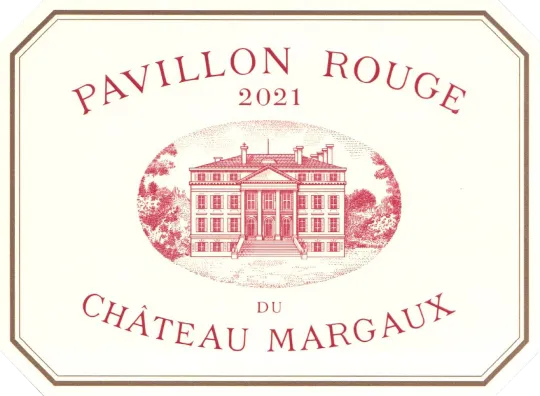
We continue to apply a rigorous selection in crafting Pavillon Rouge, which represents only 30% of the 2021 vintage. Significant efforts to restructure the vineyard have been carried out over many years. The pleasant surprise during the blending sessions came from the tasting of a very young plot of cabernet franc on clay soils, formerly planted with cabernet sauvignon, which ultimately accounted for 4% of the Pavillon Rouge blend.
The blend is completed by 73% cabernet sauvignon, 18% merlot, and 5% petit verdot. On the nose, this wine reveals highly floral aromas, typical of relatively cool vintages. On the palate, it is distinguished by a remarkable tannic structure, combining finesse and silkiness. (October 2025)
Climate
The winter of 2021 was relatively mild, although quite wet, with more than 230 mm of rain falling in the first two months of the year. With the month of March being drier and warmer, our vines flowered between the 23rd and the 30th of the month. Spring was marked by frequent and severe episodes of frost, testing the frost protection sprinkling systems on our white grape vineyards like never before. Temperatures fell so drastically that we lost close to a hectare's worth of our white harvest. On the other hand, our red grape vineyards were less affected by the cold, with only a few vines hit by some morning frost.
May and June recorded quite a bit of rainfall, and we had to be watchful to prevent the spread of fungal diseases. The determination of our team eventually paid off and we were able to maintain the grapes and leaves in good health. Budbreak occurred between the 1st and the 6th of March in average conditions, however the fruit-set was excellent, with only a few of the older plots falling prey to coulure or shatter.
After a rainy month of July, August and the first half of September were extremely dry. Just after we had finished picking the white grapes, we had about 45 mm of rain, raising concerns of a poor red harvest.
As in the 2017 vintage, we were faced with the following choice: pick grapes that were not fully ripe before they could potentially be attacked by Botrytis, or wait till the end of September to harvest the grapes when they would be riper and more concentrated from the additional sunshine. And as in that year, the decision was made to prioritise the quality of the grapes. The early Merlot plots were harvested on the 24th of September while the later Cabernet harvests only began by the 4th of October. The harvest was completed by the 13th of October. The season definitely presented its fair share of challenges, but the quality of our work and attention ensured we had an elegant and dense vintage.
We continue to apply a rigorous selection in crafting Pavillon Rouge, which represents only 30% of the 2021 vintage. Significant efforts to restructure the vineyard have been carried out over many years. The pleasant surprise during the blending sessions came from the tasting of a very young plot of cabernet franc on clay soils, formerly planted with cabernet sauvignon, which ultimately accounted for 4% of the Pavillon Rouge blend.
The blend is completed by 73% cabernet sauvignon, 18% merlot, and 5% petit verdot. On the nose, this wine reveals highly floral aromas, typical of relatively cool vintages. On the palate, it is distinguished by a remarkable tannic structure, combining finesse and silkiness. (October 2025)
Climate
The winter of 2021 was relatively mild, although quite wet, with more than 230 mm of rain falling in the first two months of the year. With the month of March being drier and warmer, our vines flowered between the 23rd and the 30th of the month. Spring was marked by frequent and severe episodes of frost, testing the frost protection sprinkling systems on our white grape vineyards like never before. Temperatures fell so drastically that we lost close to a hectare's worth of our white harvest. On the other hand, our red grape vineyards were less affected by the cold, with only a few vines hit by some morning frost.
May and June recorded quite a bit of rainfall, and we had to be watchful to prevent the spread of fungal diseases. The determination of our team eventually paid off and we were able to maintain the grapes and leaves in good health. Budbreak occurred between the 1st and the 6th of March in average conditions, however the fruit-set was excellent, with only a few of the older plots falling prey to coulure or shatter.
After a rainy month of July, August and the first half of September were extremely dry. Just after we had finished picking the white grapes, we had about 45 mm of rain, raising concerns of a poor red harvest.
As in the 2017 vintage, we were faced with the following choice: pick grapes that were not fully ripe before they could potentially be attacked by Botrytis, or wait till the end of September to harvest the grapes when they would be riper and more concentrated from the additional sunshine. And as in that year, the decision was made to prioritise the quality of the grapes. The early Merlot plots were harvested on the 24th of September while the later Cabernet harvests only began by the 4th of October. The harvest was completed by the 13th of October. The season definitely presented its fair share of challenges, but the quality of our work and attention ensured we had an elegant and dense vintage.
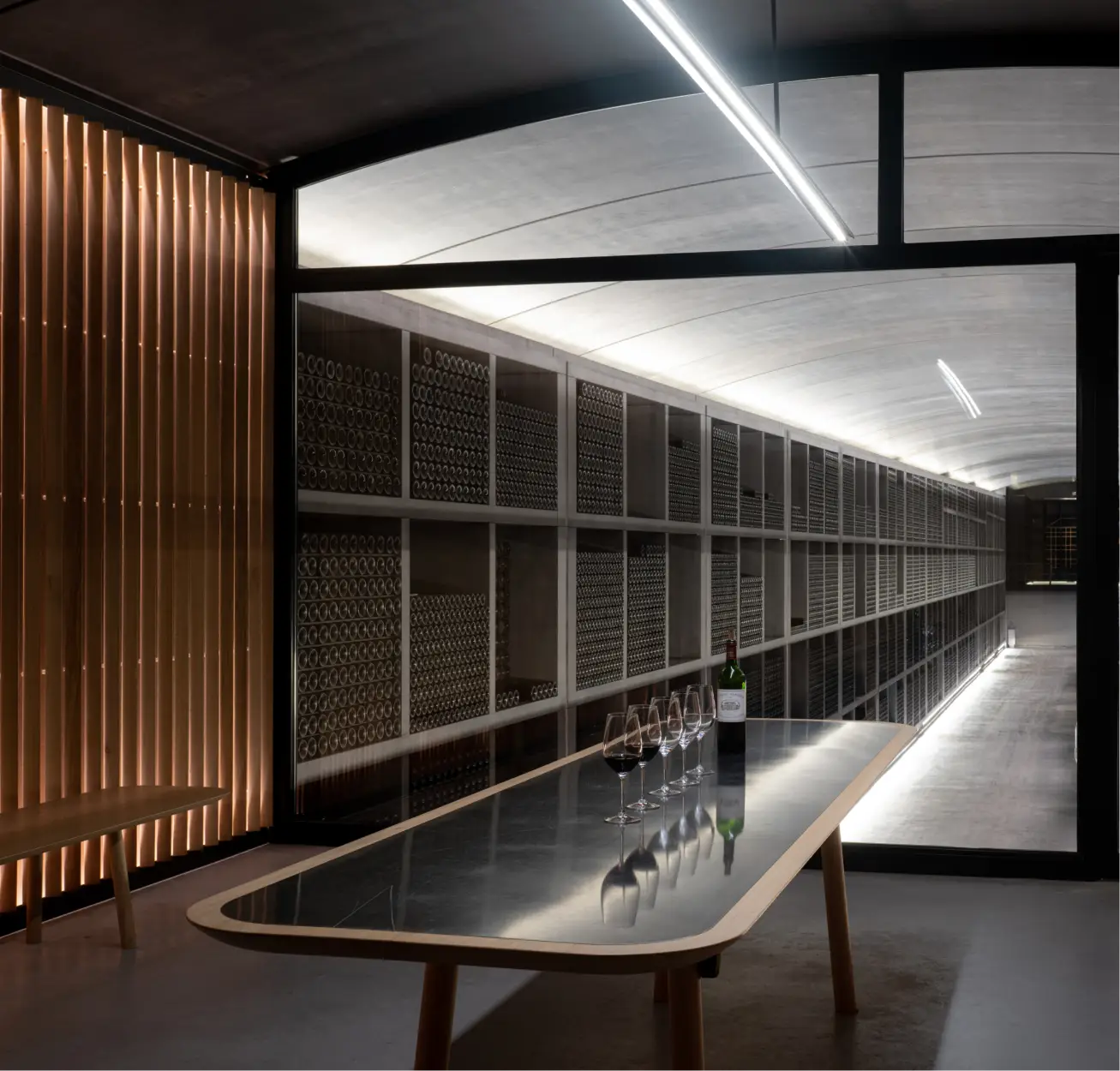
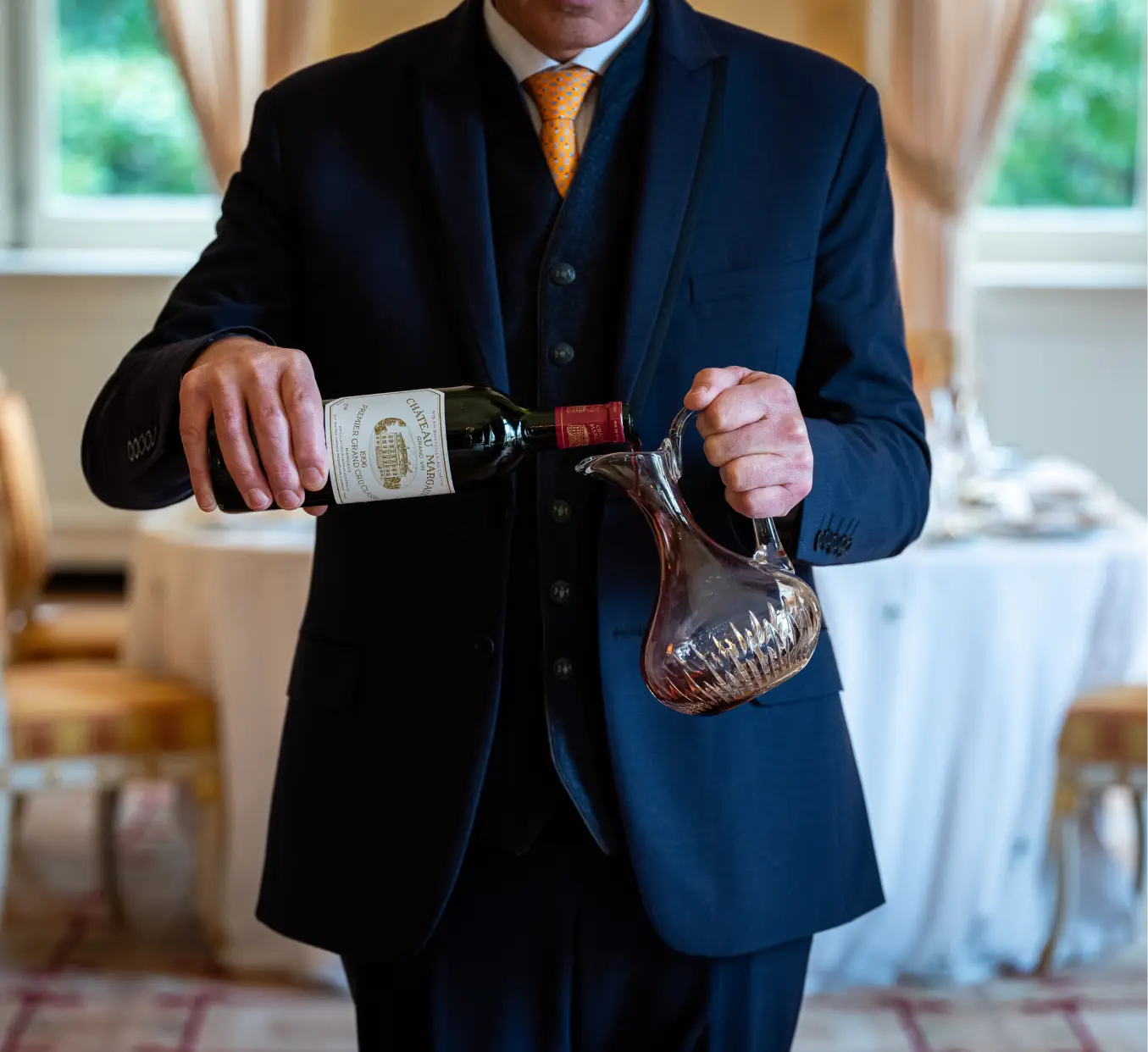
Service & tasting
Discover our tips for serving and tasting your wine in the best conditions.
Service & tasting
Discover our tips for serving and tasting your wine in the best conditions.