Our terroir
A domain in the heart of the Médoc
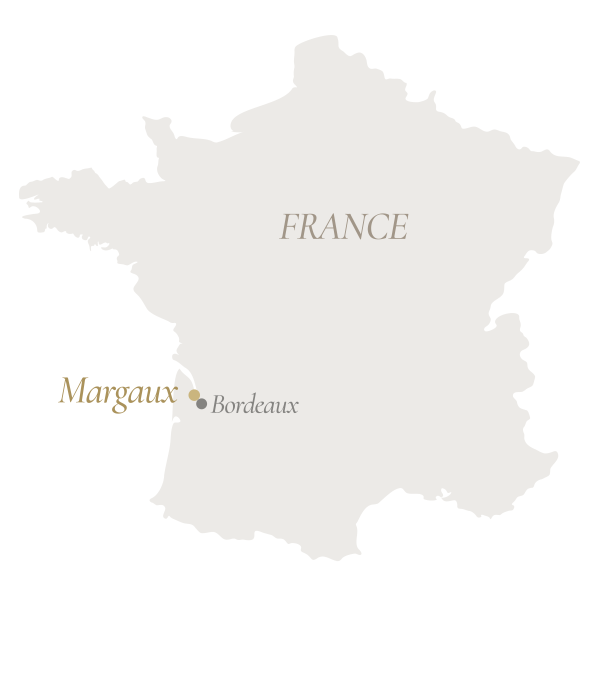
Located in the prestigious Margaux appellation (AOC Margaux), in the heart of the Médoc, Château Margaux covers 265 hectares. The estate includes around 87 hectares of red vines and 12 hectares of white vines in production, surrounded by meadows, woods, parks and historic buildings.
Some 30 kilometres from Bordeaux, this exceptional site benefits from unique natural conditions that make Château Margaux one of the most prestigious classified growths in Bordeaux.
FRANCE
BORDEAUX REGION
AOC MARGAUX
A domain in the heart of the Médoc
Located in the prestigious Margaux appellation (AOC Margaux), in the heart of the Médoc, Château Margaux covers 265 hectares. The estate includes around 87 hectares of red vines and 12 hectares of white vines in production, surrounded by meadows, woods, parks and historic buildings.
Some 30 kilometres from Bordeaux, this exceptional site benefits from unique natural conditions that make Château Margaux one of the most prestigious classified growths in Bordeaux.
FRANCE
BORDEAUX REGION
AOC MARGAUX
A domain in the heart of the Médoc
Located in the prestigious Margaux appellation (AOC Margaux), in the heart of the Médoc, Château Margaux covers 265 hectares. The estate includes around 87 hectares of red vines and 12 hectares of white vines in production, surrounded by meadows, woods, parks and historic buildings.
Some 30 kilometres from Bordeaux, this exceptional site benefits from unique natural conditions that make Château Margaux one of the most prestigious classified growths in Bordeaux.
FRANCE
REGION
BORDELAISE
AOC MARGAUX
Soils of remarkable quality
The Château rests on two main geological formations typical of the Médoc:
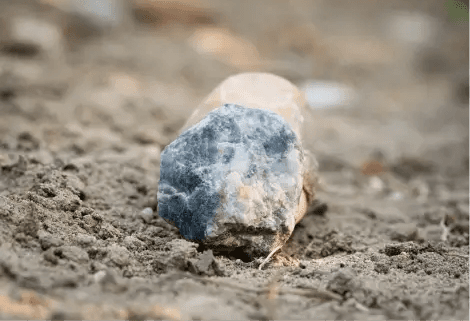
Tertiary formations of limestone and clay, remnants of ancient marine incursions.
Quaternary deposits of gravel, sand and clay, originating from the Garonne terraces.
These successive layers create a mosaic of soils dominated by deep gravel, particularly on the so-called “Type 4” terrace, emblematic of Margaux. Their composition ensures optimal drainage and deep vine rooting, providing naturally regulated water supply.
This subtle balance of soil, temperate climate and human care produces wines of exceptional finesse, elegance and longevity.
Soils of remarkable quality
The Château rests on two main geological formations typical of the Médoc:
Tertiary formations of limestone and clay, remnants of ancient marine incursions.
Quaternary deposits of gravel, sand and clay, originating from the Garonne terraces.
These successive layers create a mosaic of soils dominated by deep gravel, particularly on the so-called “Type 4” terrace, emblematic of Margaux. Their composition ensures optimal drainage and deep vine rooting, providing naturally regulated water supply.
This subtle balance of soil, temperate climate and human care produces wines of exceptional finesse, elegance and longevity.
Soils of remarkable quality
The Château rests on two main geological formations typical of the Médoc:
Tertiary formations of limestone and clay, remnants of ancient marine incursions.
Quaternary deposits of gravel, sand and clay, originating from the Garonne terraces.
These successive layers create a mosaic of soils dominated by deep gravel, particularly on the so-called “Type 4” terrace, emblematic of Margaux. Their composition ensures optimal drainage and deep vine rooting, providing naturally regulated water supply.
This subtle balance of soil, temperate climate and human care produces wines of exceptional finesse, elegance and longevity.
At Château Margaux, grass cover is carefully managed according to each plot. Some areas, particularly around "L'Enclos" and in front of the Château, have permanent grass cover which protects the soil, limits compaction and supports the vineyard’s ecological balance. On other plots, grass cover is adapted to several criterias, including soil typicity and grape variety.
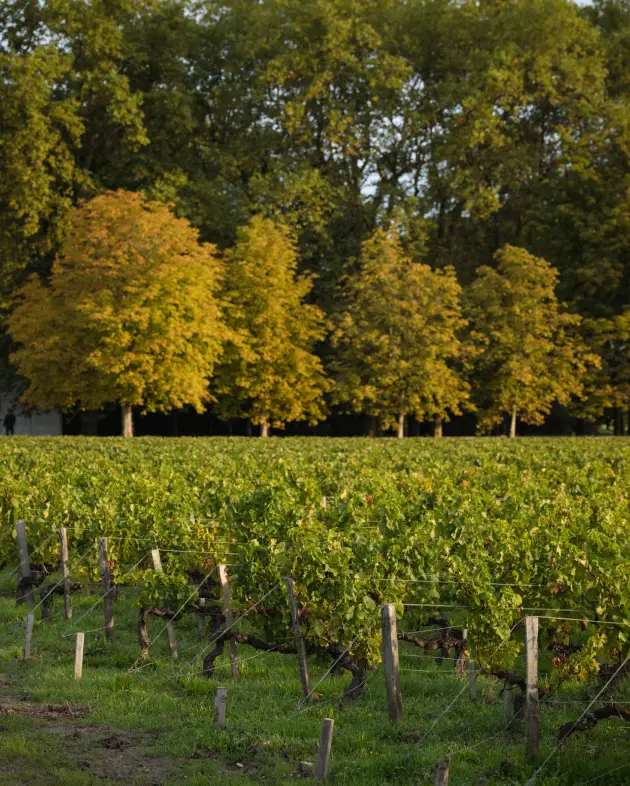
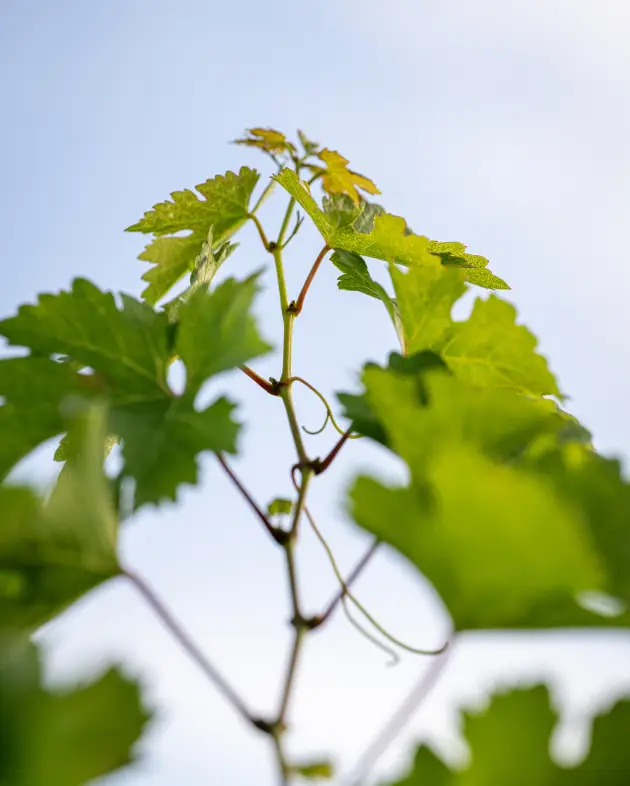
Temporary cover crops are also sown, tailored to each terroir and removed every year before spring. They maintain soil vitality, structure the earth, reduce erosion, stimulate microbial life, and increase organic matter. These cover crops recycle nutrients, limit help control unwanted weeds and provide habitat for many species, including pollinators. This natural approach supports the vineyard’s conversion to organic farming and reflects Château Margaux’s commitment to sustainable viticulture.
At Château Margaux, grass cover is carefully managed according to each plot. Some areas, particularly around "L'Enclos" and in front of the Château, have permanent grass cover which protects the soil, limits compaction and supports the vineyard’s ecological balance. On other plots, grass cover is adapted to several criterias, including soil typicity and grape variety.
Temporary cover crops are also sown, tailored to each terroir and removed every year before spring. They maintain soil vitality, structure the earth, reduce erosion, stimulate microbial life, and increase organic matter. These cover crops recycle nutrients, limit help control unwanted weeds and provide habitat for many species, including pollinators. This natural approach supports the vineyard’s conversion to organic farming and reflects Château Margaux’s commitment to sustainable viticulture.
Vineyard plots and grape varieties
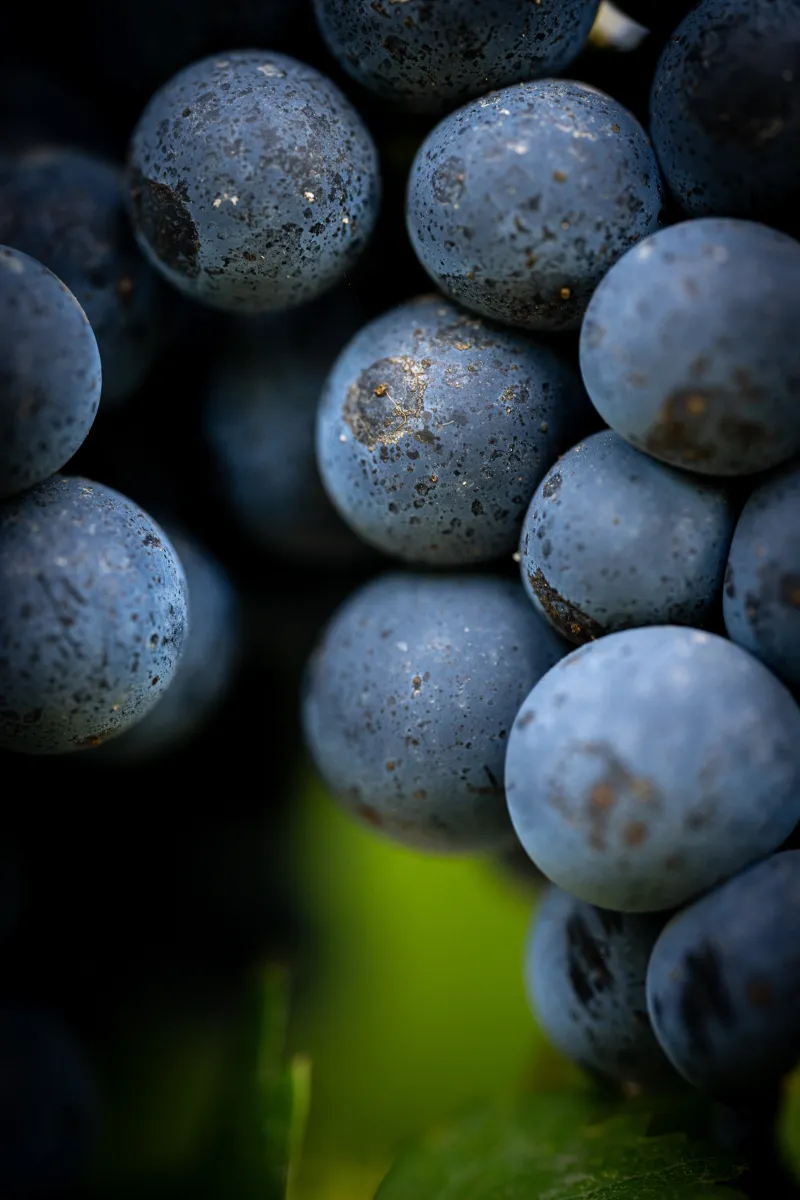
Château Margaux comprises 126 carefully mapped plots, each reflecting the uniqueness of its soil and exposure.
Cabernet Sauvignon predominates with 72 plots, providing structure, depth and ageing potential. It is complemented by merlot, which adds roundness and smoothness, and by cabernet franc and petit verdot, which contribute complexity and freshness.
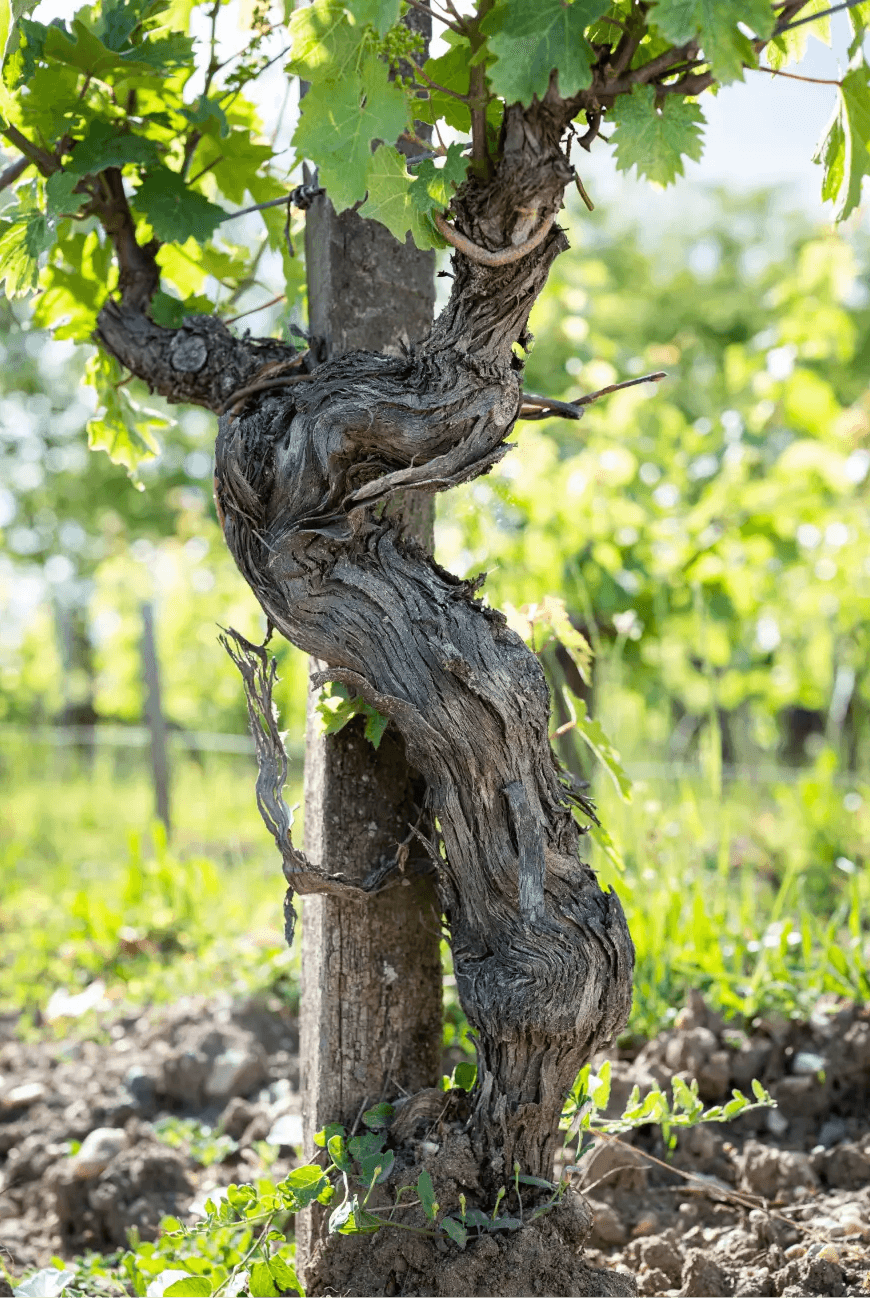
The red vines average 35 years old, with some dating back to 1951. The white vines, dedicated to sauvignon blanc, average 50 years, the oldest having been planted in 1970. Planting densities range from 6,666 to 10,000 vines per hectare, depending on soil type and the desired balance between vigour, concentration and fruit quality.
Vineyard plots and grape varieties
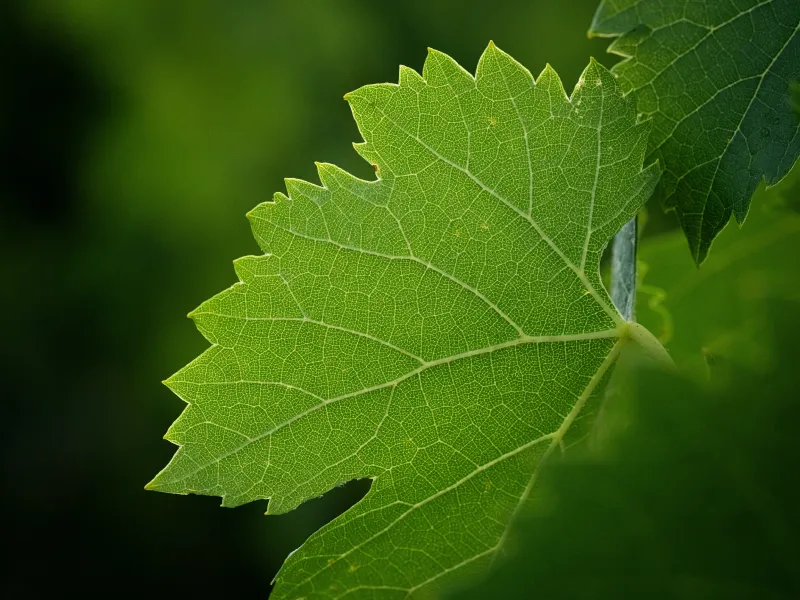
Château Margaux comprises 126 carefully mapped plots, each reflecting the uniqueness of its soil and exposure.
Cabernet Sauvignon predominates with 72 plots, providing structure, depth and ageing potential. It is complemented by merlot, which adds roundness and smoothness, and by cabernet franc and petit verdot, which contribute complexity and freshness.
The red vines average 35 years old, with some dating back to 1951. The white vines, dedicated to sauvignon blanc, average 50 years, the oldest having been planted in 1970. Planting densities range from 6,666 to 10,000 vines per hectare, depending on soil type and the desired balance between vigour, concentration and fruit quality.
Vineyard plots and grape varieties
Château Margaux comprises 126 carefully mapped plots, each reflecting the uniqueness of its soil and exposure.
Cabernet Sauvignon predominates with 72 plots, providing structure, depth and ageing potential. It is complemented by merlot, which adds roundness and smoothness, and by cabernet franc and petit verdot, which contribute complexity and freshness.
The red vines average 35 years old, with some dating back to 1951. The white vines, dedicated to sauvignon blanc, average 50 years, the oldest having been planted in 1970. Planting densities range from 6,666 to 10,000 vines per hectare, depending on soil type and the desired balance between vigour, concentration and fruit quality.
The Médoc climate
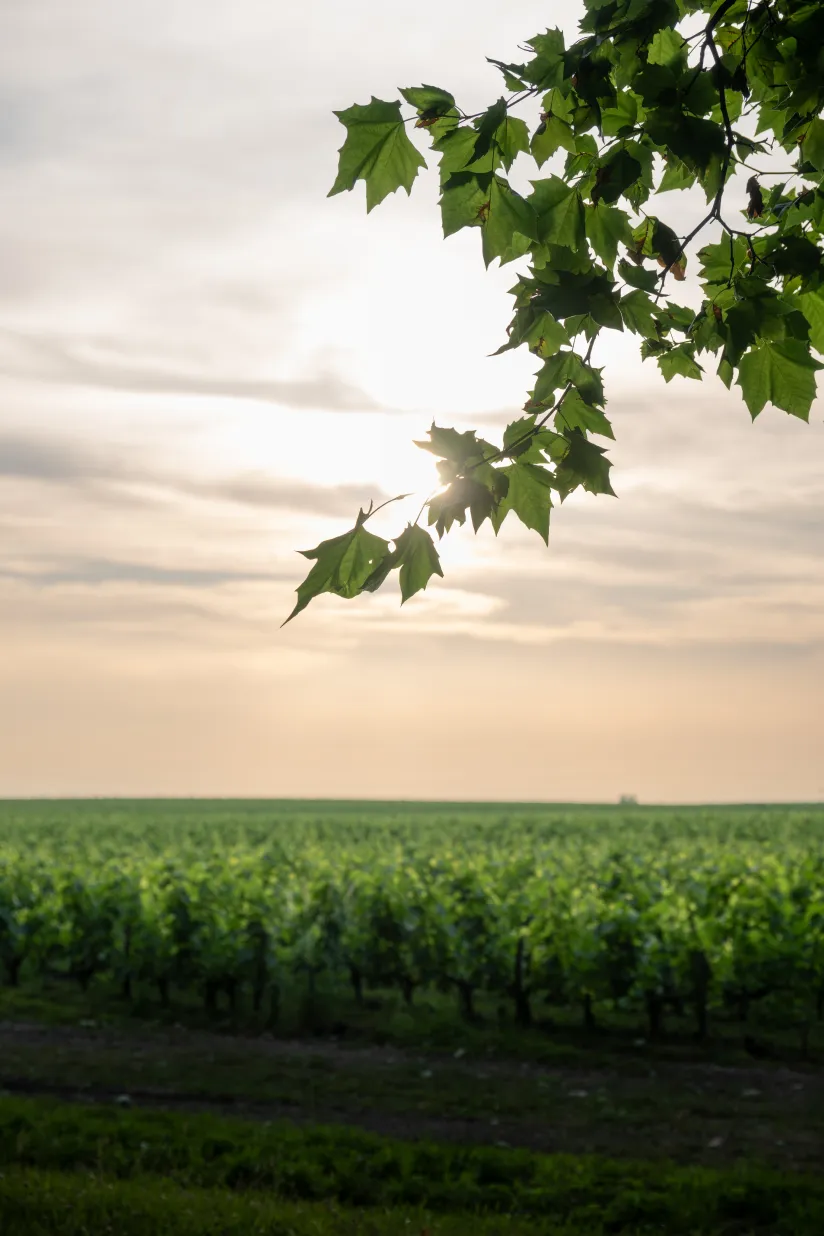
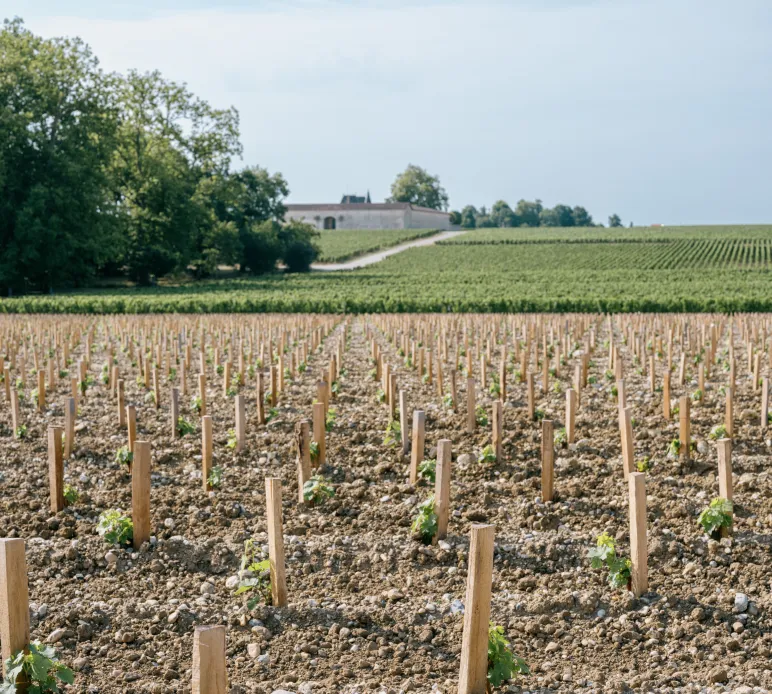
Situated between the Atlantic Ocean and the Gironde estuary, Margaux enjoys a temperate oceanic climate. Winters are mild and summers moderate, while the nearby water protects the vines from extreme heat and frost. This maritime influence ensures slow, even ripening of the grapes, essential for producing balanced wines with great aromatic complexity.
In response to climate change, the estate has adapted its practices notably by, when replanting orientation vine rows between 45° and 60° NE/SW to reduce sunburn, as well as completing its full conversion to organic farming. These measures respect the identity of the terroir while anticipating future environmental challenges.
The Médoc climate
Situated between the Atlantic Ocean and the Gironde estuary, Margaux enjoys a temperate oceanic climate. Winters are mild and summers moderate, while the nearby water protects the vines from extreme heat and frost. This maritime influence ensures slow, even ripening of the grapes, essential for producing balanced wines with great aromatic complexity.
In response to climate change, the estate has adapted its practices notably by, when replanting orientation vine rows between 45° and 60° NE/SW to reduce sunburn, as well as completing its full conversion to organic farming. These measures respect the identity of the terroir while anticipating future environmental challenges.
The Médoc climate
Situated between the Atlantic Ocean and the Gironde estuary, Margaux enjoys a temperate oceanic climate. Winters are mild and summers moderate, while the nearby water protects the vines from extreme heat and frost. This maritime influence ensures slow, even ripening of the grapes, essential for producing balanced wines with great aromatic complexity.
In response to climate change, the estate has adapted its practices notably by, when replanting orientation vine rows between 45° and 60° NE/SW to reduce sunburn, as well as completing its full conversion to organic farming. These measures respect the identity of the terroir while anticipating future environmental challenges.
Red Vineyard
1/6
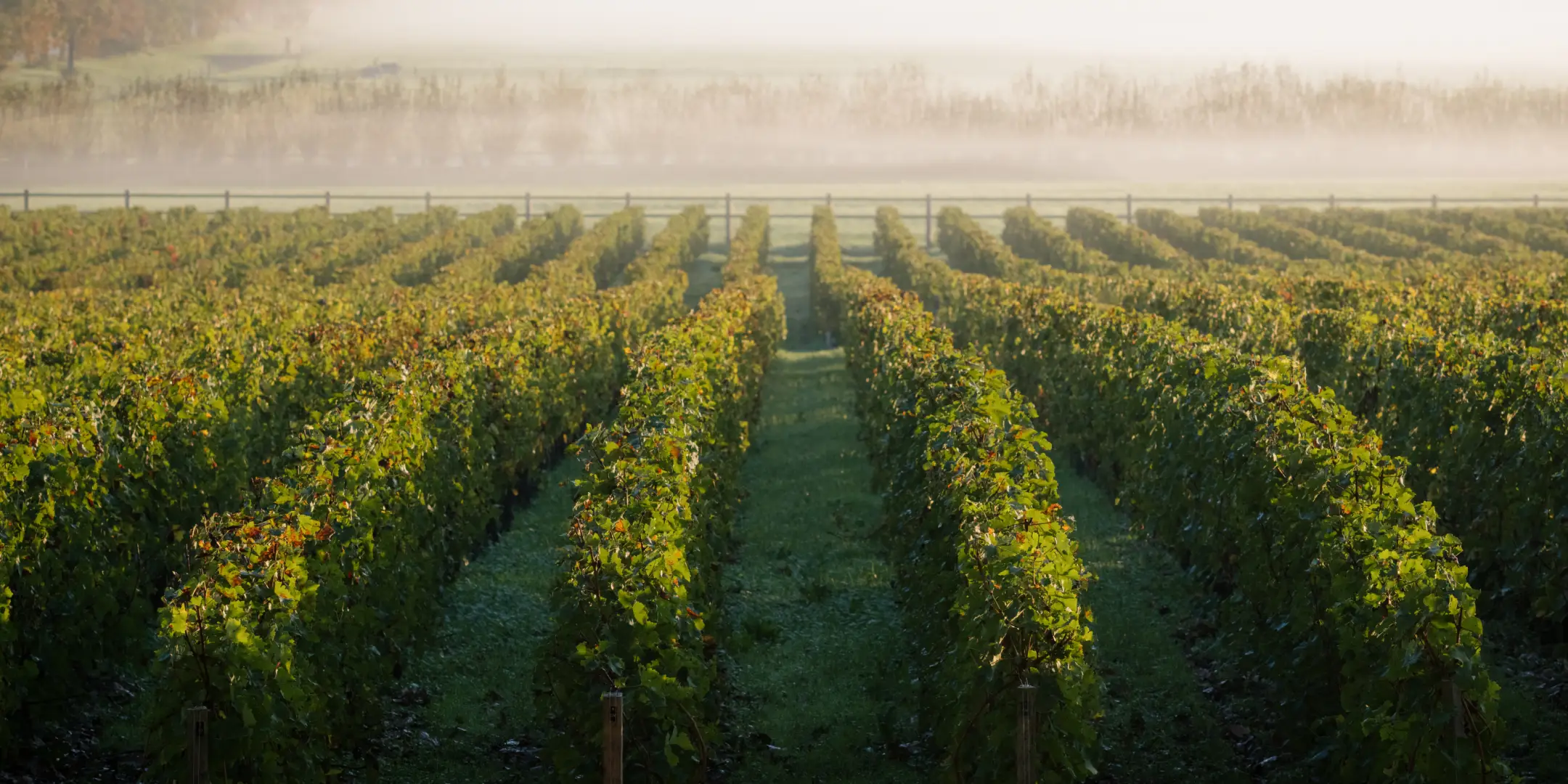
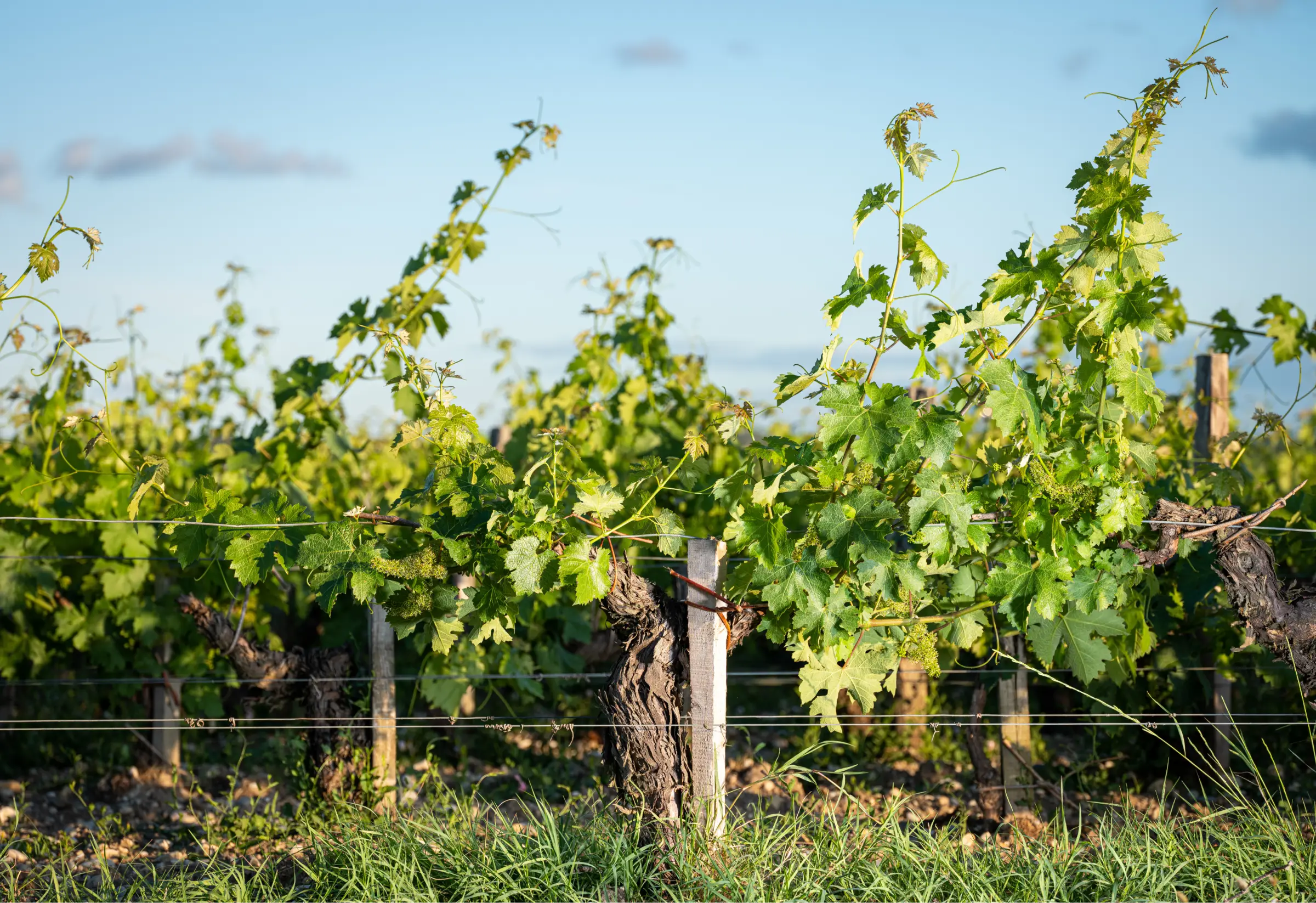
The red vineyard of Château Margaux, located in the heart of the Margaux AOC, rests on a mosaic of gravel, clay, and limestone soils. It produces wines renowned for their finesse, structure, and remarkable ageing potential.
FOOTPRINT
87 hectares
GRAPES
cabernet sauvignon, merlot, cabernet franc, petit verdot
AVERAGE VINE AGE
35 years old
HISTORICAL PLOT
"The Cuvier", planted in 1951
The red vineyard
The white vineyard
the forests
the meadows
the buildings
Le château
Red Vineyard
1/6
The red vineyard of Château Margaux, located in the heart of the Margaux AOC, rests on a mosaic of gravel, clay, and limestone soils. It produces wines renowned for their finesse, structure, and remarkable ageing potential.
FOOTPRINT
87 hectares
GRAPES
cabernet sauvignon, merlot, cabernet franc, petit verdot
AVERAGE VINE AGE
35 years old
HISTORICAL PLOT
"The Cuvier", planted in 1951
Red Vineyard
1/6
The red vineyard of Château Margaux, located in the heart of the Margaux AOC, rests on a mosaic of gravel, clay, and limestone soils. It produces wines renowned for their finesse, structure, and remarkable ageing potential.
FOOTPRINT
87 hectares
GRAPES
cabernet sauvignon, merlot, cabernet franc, petit verdot
AVERAGE VINE AGE
35 years old
HISTORICAL PLOT
"The Cuvier", planted in 1951