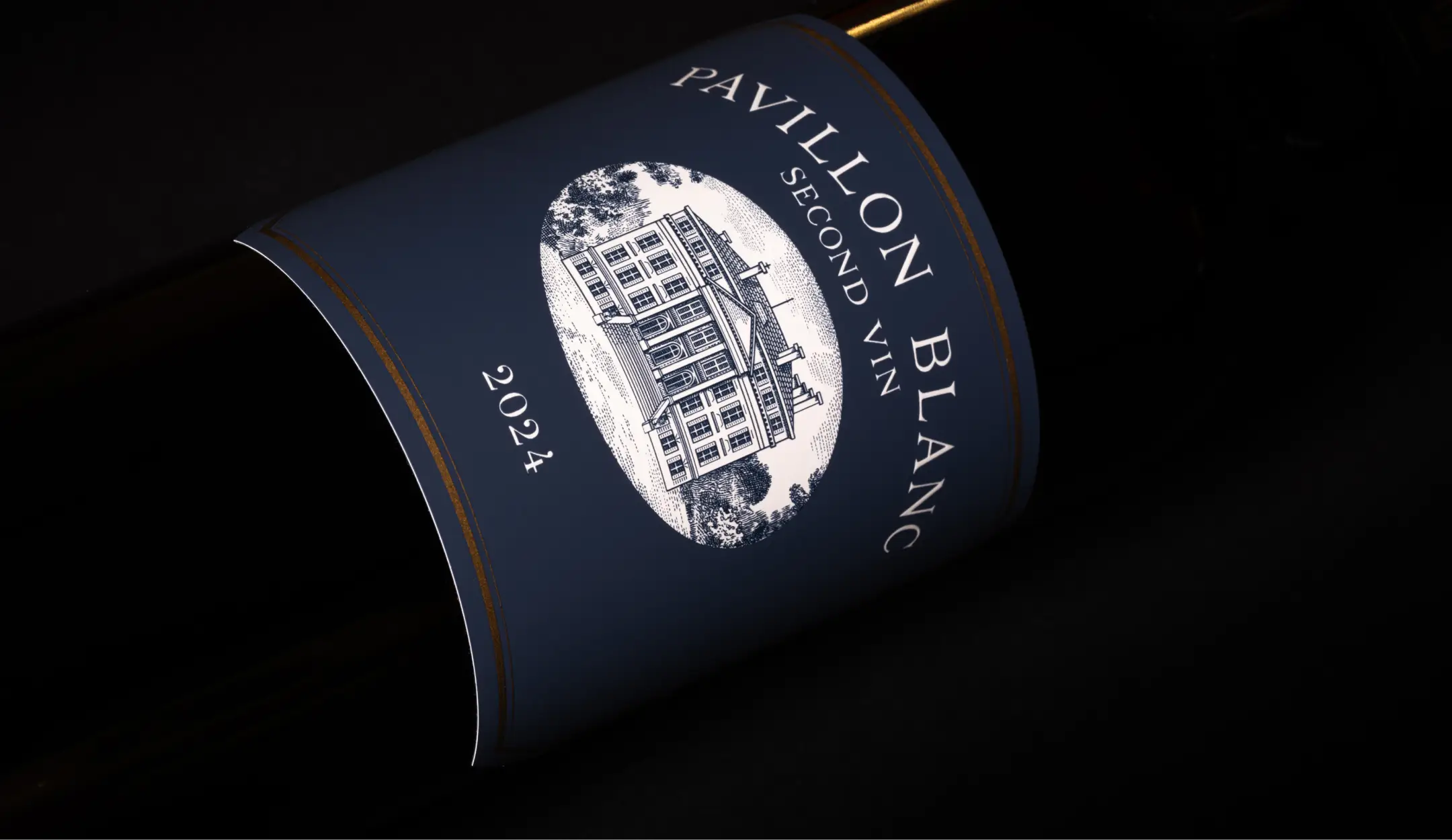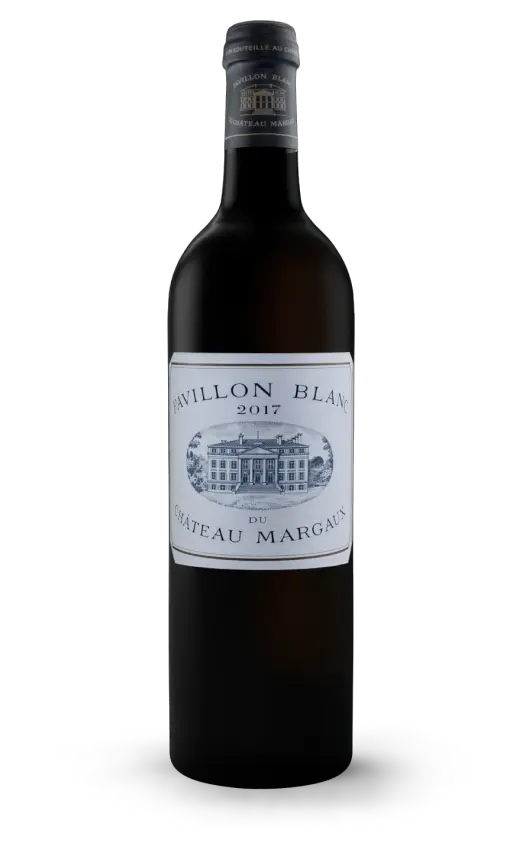

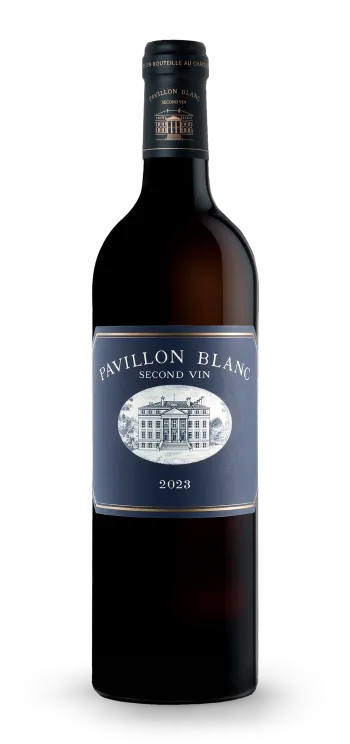
Pavillon Blanc Second Vin
Pavillon Blanc Second Vin offers a more approachable expression of the Pavillon Blanc du Château Margaux style. Sourced from the estate’s historic sauvignon blanc plots, it combines freshness and balance, providing a graceful introduction to the world of Château Margaux white wines.
History and winemaking
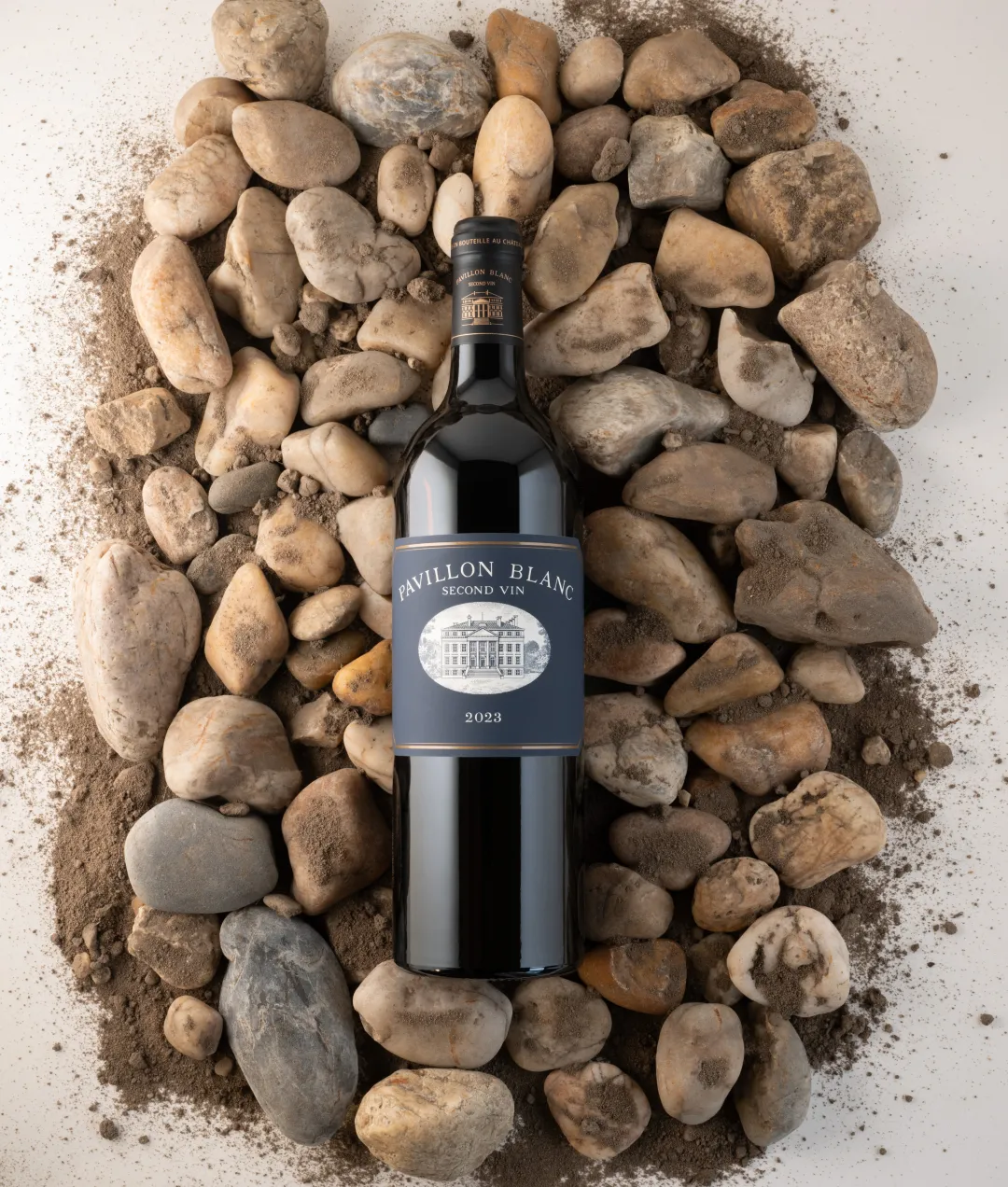
Since the early 18th century, Château Margaux has been producing an exceptional and unique white wine. Historically known as “ Château - Margaux vin blanc sauvignon ”, it was given its current name, Pavillon Blanc du Château Margaux, in 1920. In its constant pursuit of excellence, the estate has become ever more selective, in recent years retaining less than half of the harvest for blending of Pavillon Blanc du Château Margaux. This has been made possible through extensive analysis and understanding of the various soils dedicated to white varieties. This in-depth work has allowed the estate to fine-tune vineyard practices, harvest each plot at optimal ripeness, and adapt vinification and ageing to the character of each batch of grapes. Such rigour has not only enhanced the quality of Pavillon Blanc du Château Margaux, but has also led to the creation of a second wine of such distinction that it was decided to bottle it from the 2022 vintage onwards.
History and winemaking
Since the early 18th century, Château Margaux has been producing an exceptional and unique white wine. Historically known as “ Château - Margaux vin blanc sauvignon ”, it was given its current name, Pavillon Blanc du Château Margaux, in 1920. In its constant pursuit of excellence, the estate has become ever more selective, in recent years retaining less than half of the harvest for blending of Pavillon Blanc du Château Margaux. This has been made possible through extensive analysis and understanding of the various soils dedicated to white varieties. This in-depth work has allowed the estate to fine-tune vineyard practices, harvest each plot at optimal ripeness, and adapt vinification and ageing to the character of each batch of grapes. Such rigour has not only enhanced the quality of Pavillon Blanc du Château Margaux, but has also led to the creation of a second wine of such distinction that it was decided to bottle it from the 2022 vintage onwards.
Blending and ageing
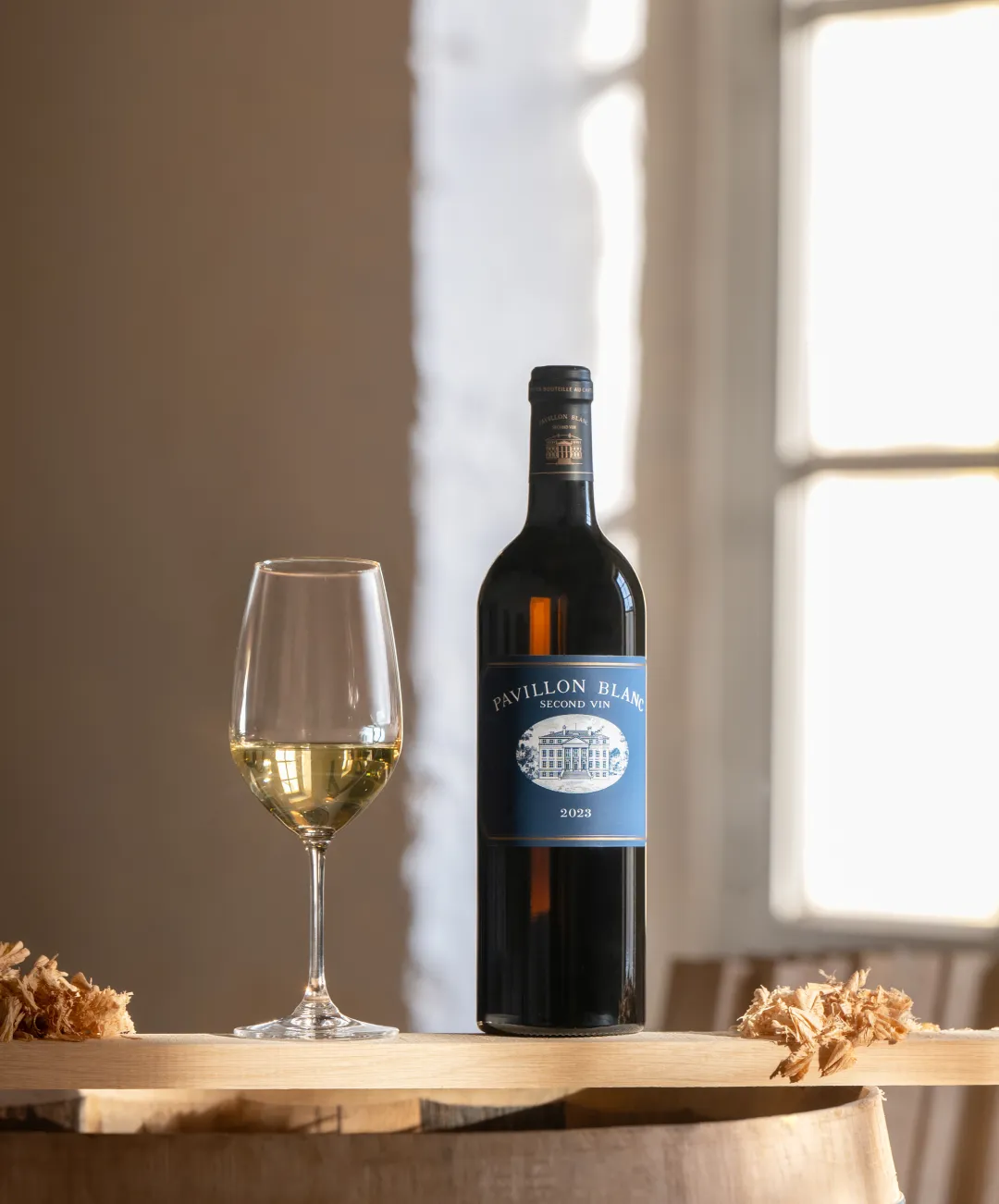
Pavillon Blanc Second Vin is aged for around eight months, with approximately 20% in new French oak barrels. Made exclusively from sauvignon blanc, like its elder sibling, Pavillon Blanc du Château Margaux, and sourced from the estate’s historic vines, this wine can be enjoyed in its youth yet will also age harmoniously for at least two decades. Pavillon Blanc Second Vin is only the fifth wine to be launched by the estate in five centuries. It is distributed through the négociants of the Place de Bordeaux, with an average annual production of around 15,000 bottles.
Blending and ageing
Pavillon Blanc Second Vin is aged for around eight months, with approximately 20% in new French oak barrels. Made exclusively from sauvignon blanc, like its elder sibling, Pavillon Blanc du Château Margaux, and sourced from the estate’s historic vines, this wine can be enjoyed in its youth yet will also age harmoniously for at least two decades. Pavillon Blanc Second Vin is only the fifth wine to be launched by the estate in five centuries. It is distributed through the négociants of the Place de Bordeaux, with an average annual production of around 15,000 bottles.
Through the vintages
Rediscover the Pavillon Blanc Second Vin through its vintages
Select your year
Pavillon Blanc Second Vin
2024
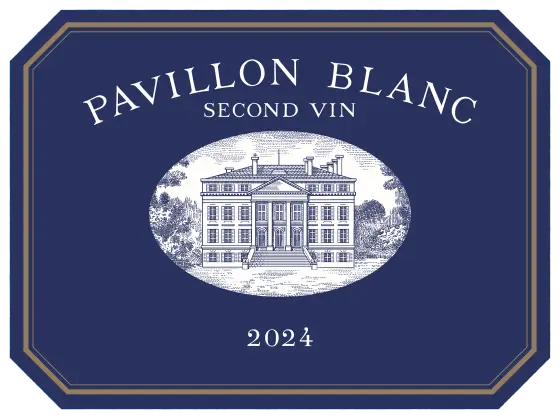
For its third vintage, Pavillon Blanc Second Vin 2024 expresses the Sauvignon Blanc varietal character more clearly than the 2023, revealing a fresh nose with citrus notes. On the palate, it has lovely tension, supported by remarkable aromatic length. Elegant, long and delicate, it stands out for its perfectly integrated, almost imperceptible oakiness. Already very pleasant to drink, it will gain in complexity over the next two to three years.
Pavillon Blanc Second Vin 2024 will be distributed via the Place de Bordeaux and will be available from leading wine merchants and specialist websites.
Climate
Weather factors impacting the 2024 vintage began in 2023 with exceptional amounts of rain. From autumn onwards, there was an unusually intense accumulation of rainfall for several months. Between the 18th of October and the 28th of March, more than 1,000 mm of rain fell in the vineyard, surpassing the previous record for rainiest vintage by 300 mm. With mild winter temperatures, 3°C higher than historical averages in March, the abundance of water and warmth provided ideal conditions for the vines to start their growth cycle well ahead of schedule. Bud break occurred between the 22nd and 25th of March, 7 to 10 days earlier than in recent years. However, the wet weather continued, setting the pace for the entire growing season. While some past great vintages, such as 2000, had similar rainfall, what set 2024 apart was the frequency of rainy days. Access to the plots became a constant challenge, and the omnipresent threat of downy mildew meant that teams had to remain vigilant at all times. In this challenging context, flowering was slightly delayed, spanning from the 31st of May to the 7th of June.
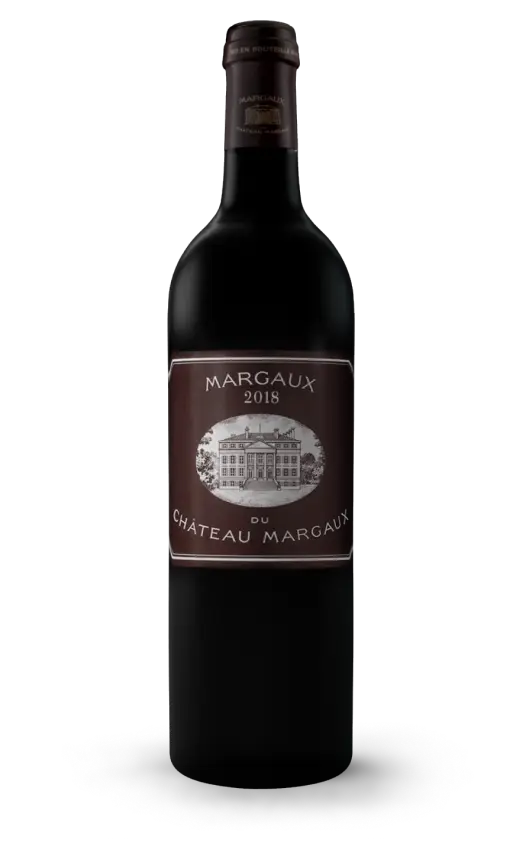
Véraison, when the grapes change colour, took place between the 9th and 23rd of August, and was reminiscent of vintages such as 2014 and 2016, confirming a growth cycle significantly influenced by wet weather. Faced with these conditions, the vines reacted in contrasting fashions. Plots with very cool, deep soil suffered from downy mildew, particularly affecting the volumes destined for our third wine, Margaux du Château Margaux. Conversely, our gravelly terroirs, with better drainage and earlier ripening, were able to preserve their potential and produce some of the finest grapes of the vintage.
While the weather conditions put the vines to the test, they did not compromise the exacting stan - dards and precision with which our teams work on every Château Margaux vintage. With an average yield of 30 hl/ha, the sorting carried out by our pickers in the vineyards was more rigorous than ever, highlighting the most resilient terroirs and offering an optimal balance between concentra - tion and finesse.
Pavillon Blanc Second Vin
2023
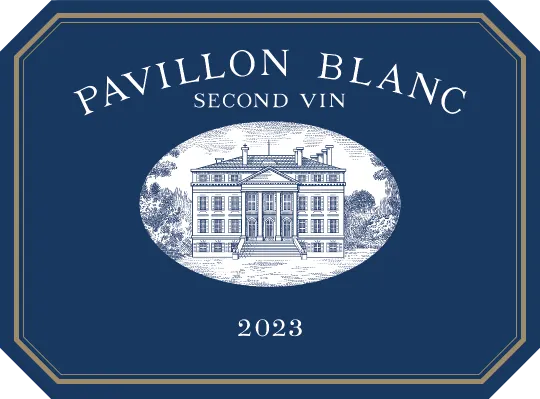
Pavillon Blanc Second Vin 2023 stands out for its freshness and elegance. On the nose, it reveals a delicate bouquet of perfectly balanced floral and citrus notes. On the palate, its supple, generous texture is characterised by seamless roundness and smoothness. The finish is fresh and persistent, carried by a good level of acidity.
Its appeal lies in its accessibility in its youth, while at the same time promising good ageing potential. Produced in limited quantities, this new vintage of Pavillon Blanc Second Vin is aimed at fine white wine lovers in search of elegance and complexity.
Climate
The winter of 2022-2023 was relatively mild, although there were about ten days of real winter temperatures in the first half of February.
There was also not much rain during the first few months of 2023: 196 mm in Margaux, allowing only a very light replenishment of groundwater reserves after an extremely hot, dry 2022 vintage. In these conditions, bud break occurred between the 3rd and the 10th of April.
Fortunately, spring did not bring any of the feared frosts. Rain was sparse but frequent during the growing season. There were just two weeks of sustained rain in June (72 mm). However, these conditions made it potentially difficult to keep the vines healthy. The high relative humidity in the air created very favourable conditions for downy mildew. Our vineyard teams succeeded in main¬taining healthy foliage to ensure good-quality ripening of the grapes and a successful harvest.
The vines flowered between the 31st of May and the 5th of June in good conditions, with no signs of coulure or millerandage.
2023 was markedly different from the previous vintage in terms of temperature. In 2022, there were very early heatwaves. In 2023, we had just one real heatwave, between the 17th and the 24th of August, the period when the grape skins mature, becoming thinner and more sensitive to the com-bined action of high temperatures and sunshine. The berries that were most exposed to the sun suffered scalding, forcing us to do a lot of sorting during the harvest.
Through the vintages
Rediscover the Pavillon Blanc Second Vin through its vintages
Select your year
Pavillon Blanc Second Vin
2024
For its third vintage, Pavillon Blanc Second Vin 2024 expresses the Sauvignon Blanc varietal character more clearly than the 2023, revealing a fresh nose with citrus notes. On the palate, it has lovely tension, supported by remarkable aromatic length. Elegant, long and delicate, it stands out for its perfectly integrated, almost imperceptible oakiness. Already very pleasant to drink, it will gain in complexity over the next two to three years.
Pavillon Blanc Second Vin 2024 will be distributed via the Place de Bordeaux and will be available from leading wine merchants and specialist websites.
Climate
Weather factors impacting the 2024 vintage began in 2023 with exceptional amounts of rain. From autumn onwards, there was an unusually intense accumulation of rainfall for several months. Between the 18th of October and the 28th of March, more than 1,000 mm of rain fell in the vineyard, surpassing the previous record for rainiest vintage by 300 mm. With mild winter temperatures, 3°C higher than historical averages in March, the abundance of water and warmth provided ideal conditions for the vines to start their growth cycle well ahead of schedule. Bud break occurred between the 22nd and 25th of March, 7 to 10 days earlier than in recent years. However, the wet weather continued, setting the pace for the entire growing season. While some past great vintages, such as 2000, had similar rainfall, what set 2024 apart was the frequency of rainy days. Access to the plots became a constant challenge, and the omnipresent threat of downy mildew meant that teams had to remain vigilant at all times. In this challenging context, flowering was slightly delayed, spanning from the 31st of May to the 7th of June.
Véraison, when the grapes change colour, took place between the 9th and 23rd of August, and was reminiscent of vintages such as 2014 and 2016, confirming a growth cycle significantly influenced by wet weather. Faced with these conditions, the vines reacted in contrasting fashions. Plots with very cool, deep soil suffered from downy mildew, particularly affecting the volumes destined for our third wine, Margaux du Château Margaux. Conversely, our gravelly terroirs, with better drainage and earlier ripening, were able to preserve their potential and produce some of the finest grapes of the vintage.
While the weather conditions put the vines to the test, they did not compromise the exacting stan - dards and precision with which our teams work on every Château Margaux vintage. With an average yield of 30 hl/ha, the sorting carried out by our pickers in the vineyards was more rigorous than ever, highlighting the most resilient terroirs and offering an optimal balance between concentra - tion and finesse.
Pavillon Blanc Second Vin
2023
Pavillon Blanc Second Vin 2023 stands out for its freshness and elegance. On the nose, it reveals a delicate bouquet of perfectly balanced floral and citrus notes. On the palate, its supple, generous texture is characterised by seamless roundness and smoothness. The finish is fresh and persistent, carried by a good level of acidity.
Its appeal lies in its accessibility in its youth, while at the same time promising good ageing potential. Produced in limited quantities, this new vintage of Pavillon Blanc Second Vin is aimed at fine white wine lovers in search of elegance and complexity.
Climate
The winter of 2022-2023 was relatively mild, although there were about ten days of real winter temperatures in the first half of February.
There was also not much rain during the first few months of 2023: 196 mm in Margaux, allowing only a very light replenishment of groundwater reserves after an extremely hot, dry 2022 vintage. In these conditions, bud break occurred between the 3rd and the 10th of April.
Fortunately, spring did not bring any of the feared frosts. Rain was sparse but frequent during the growing season. There were just two weeks of sustained rain in June (72 mm). However, these conditions made it potentially difficult to keep the vines healthy. The high relative humidity in the air created very favourable conditions for downy mildew. Our vineyard teams succeeded in main¬taining healthy foliage to ensure good-quality ripening of the grapes and a successful harvest.
The vines flowered between the 31st of May and the 5th of June in good conditions, with no signs of coulure or millerandage.
2023 was markedly different from the previous vintage in terms of temperature. In 2022, there were very early heatwaves. In 2023, we had just one real heatwave, between the 17th and the 24th of August, the period when the grape skins mature, becoming thinner and more sensitive to the com-bined action of high temperatures and sunshine. The berries that were most exposed to the sun suffered scalding, forcing us to do a lot of sorting during the harvest.
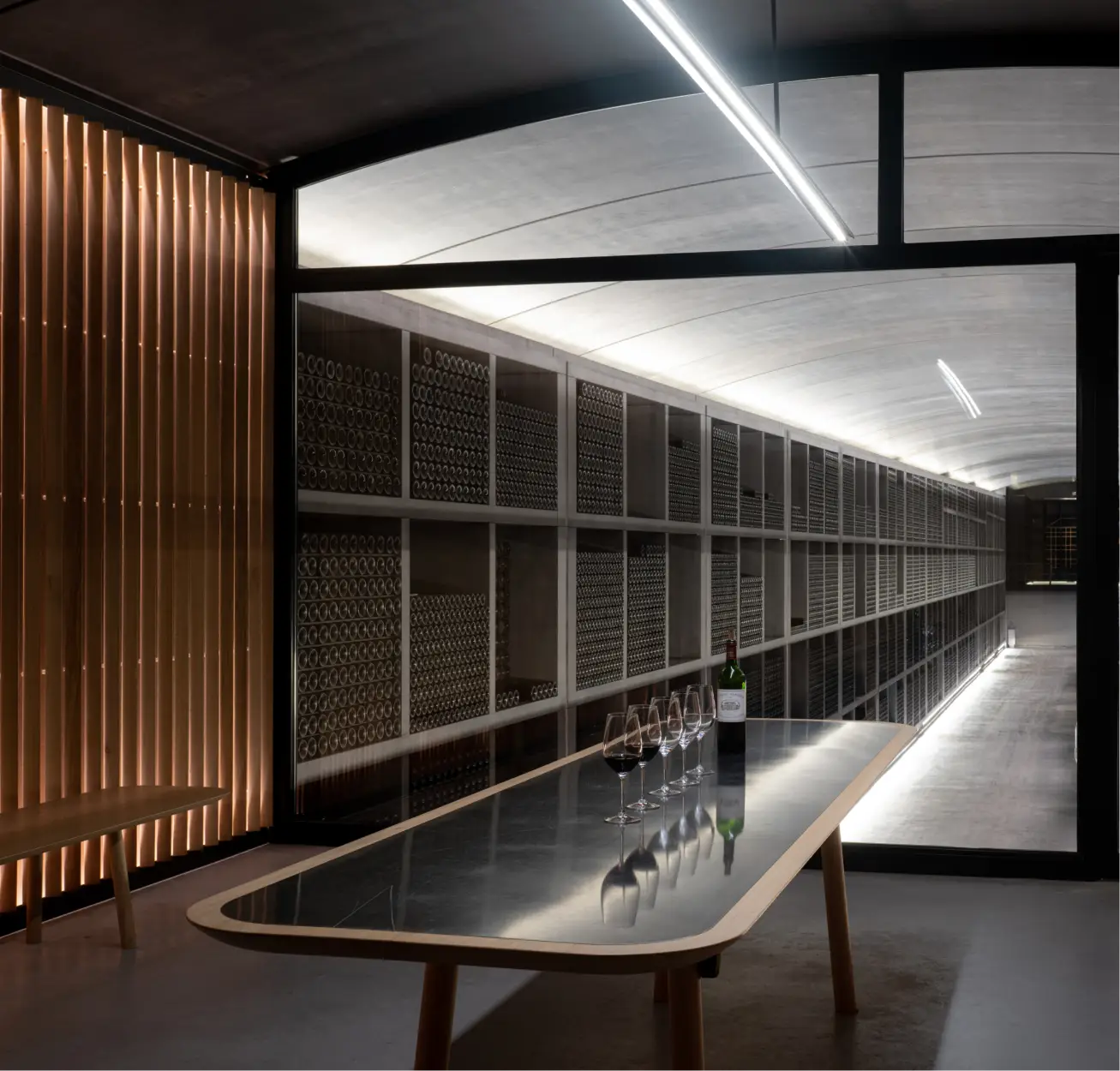

Service & tasting
Discover our tips for serving and tasting your wine in the best conditions.
Service & tasting
Discover our tips for serving and tasting your wine in the best conditions.