Our Research and Development Department

How does a Grand Cru classé like Château Margaux adapt to climate change?

R&D is a support function whose purpose is to help us better understand our practices and environment, so that we can continuously improve our methods and make the most appropriate decisions. It is structured around three main areas: adapting practices to climate change, reducing environmental impact, and ensuring the quality and typicity of our wines.

R&D is built around three main objectives

01

Adapting practices to climate change

02

Reduce environmental impact

03

Ensure the quality and typicity of our wines

01

Adapting practices to climate change

02

Reduce environmental impact

03

Ensure the quality and typicity of our wines

01

Adapting practices to climate change

03

Ensure the quality and typicity of our wines

02

Reduce environmental impact

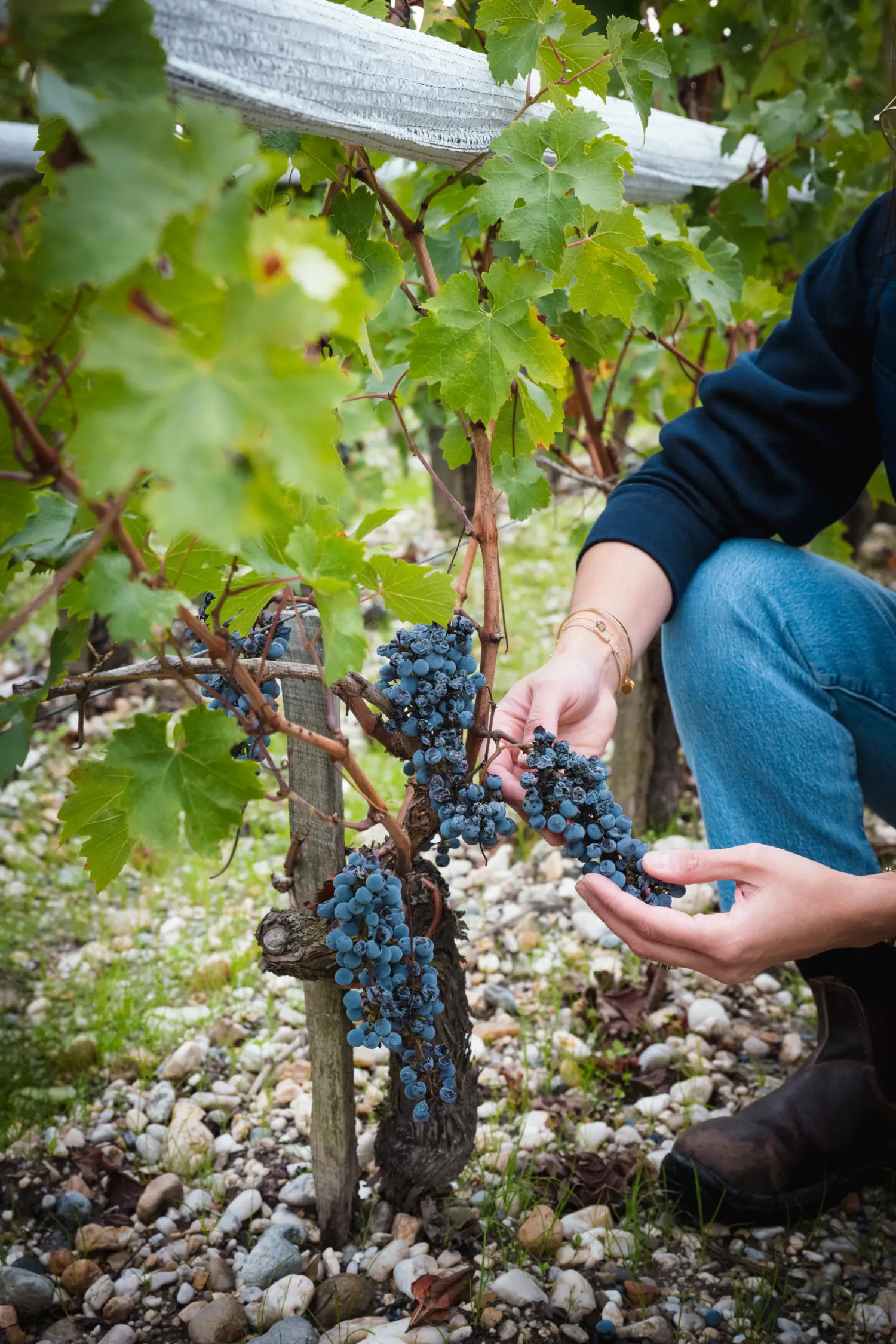
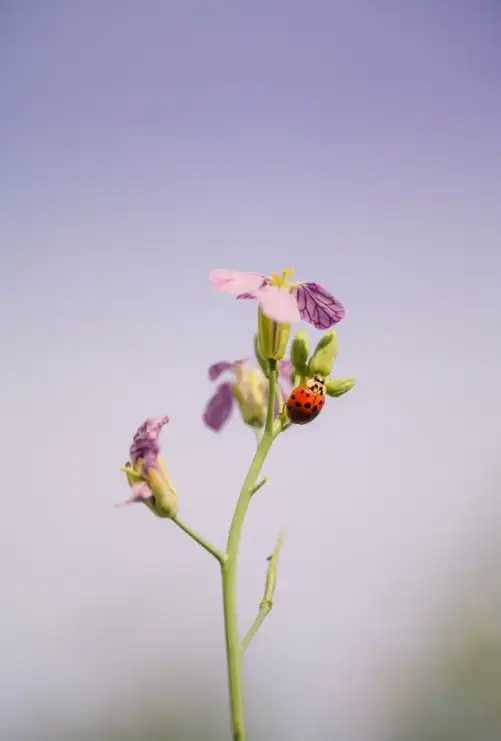
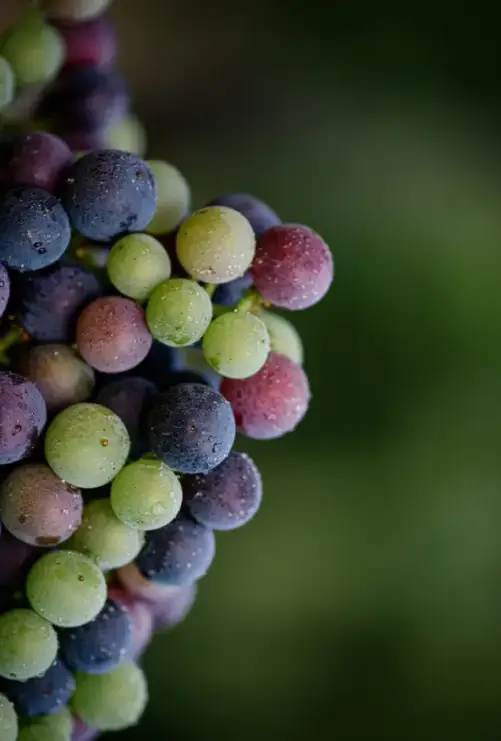
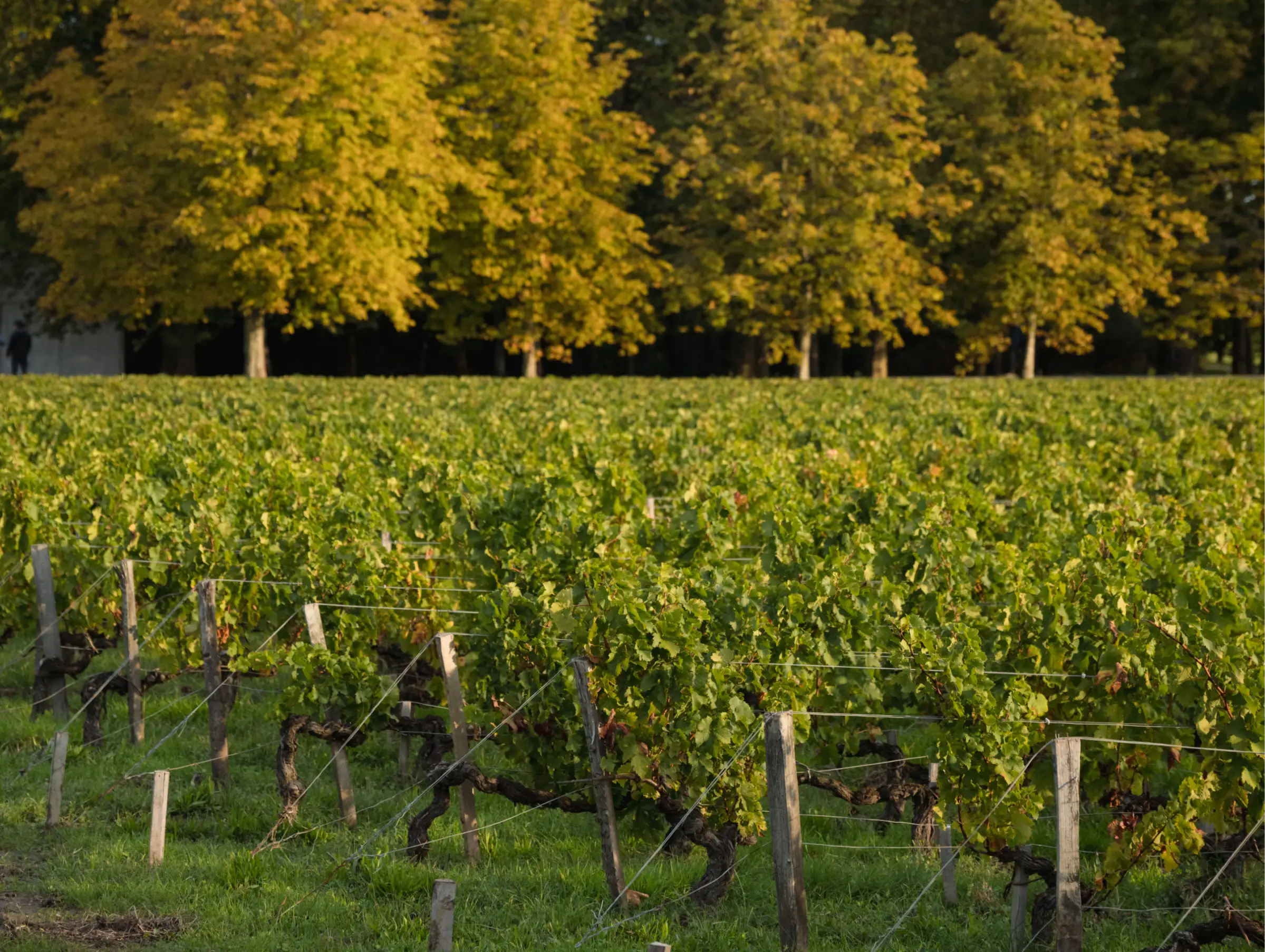
In the vineyard, experiments focus on developing agroecological practices and biodiversity, understanding and optimising soil and climate specificities, and selecting grape varieties, clones, massal selections, and rootstocks best suited to new climatic conditions, all while pursuing excellence.

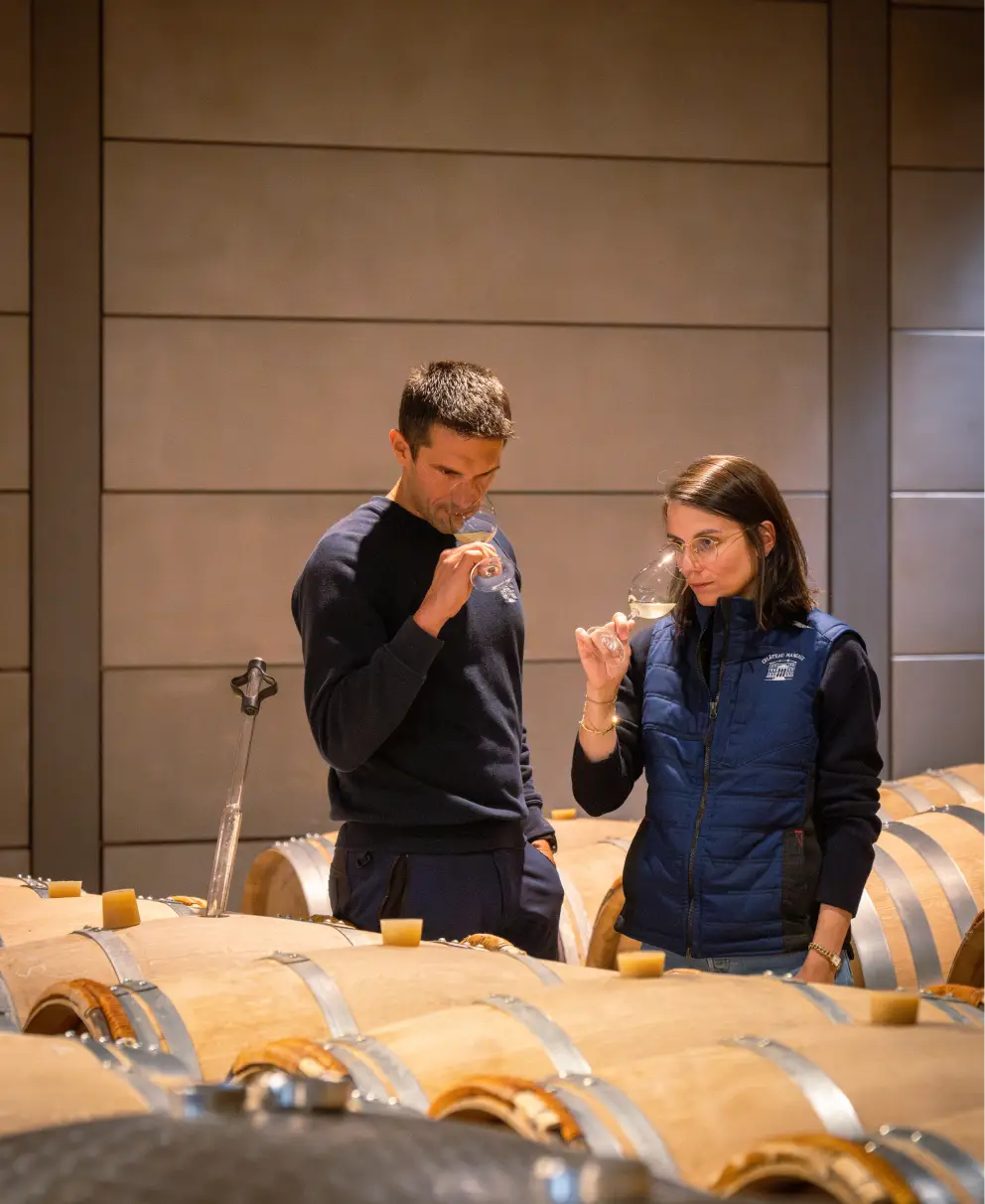
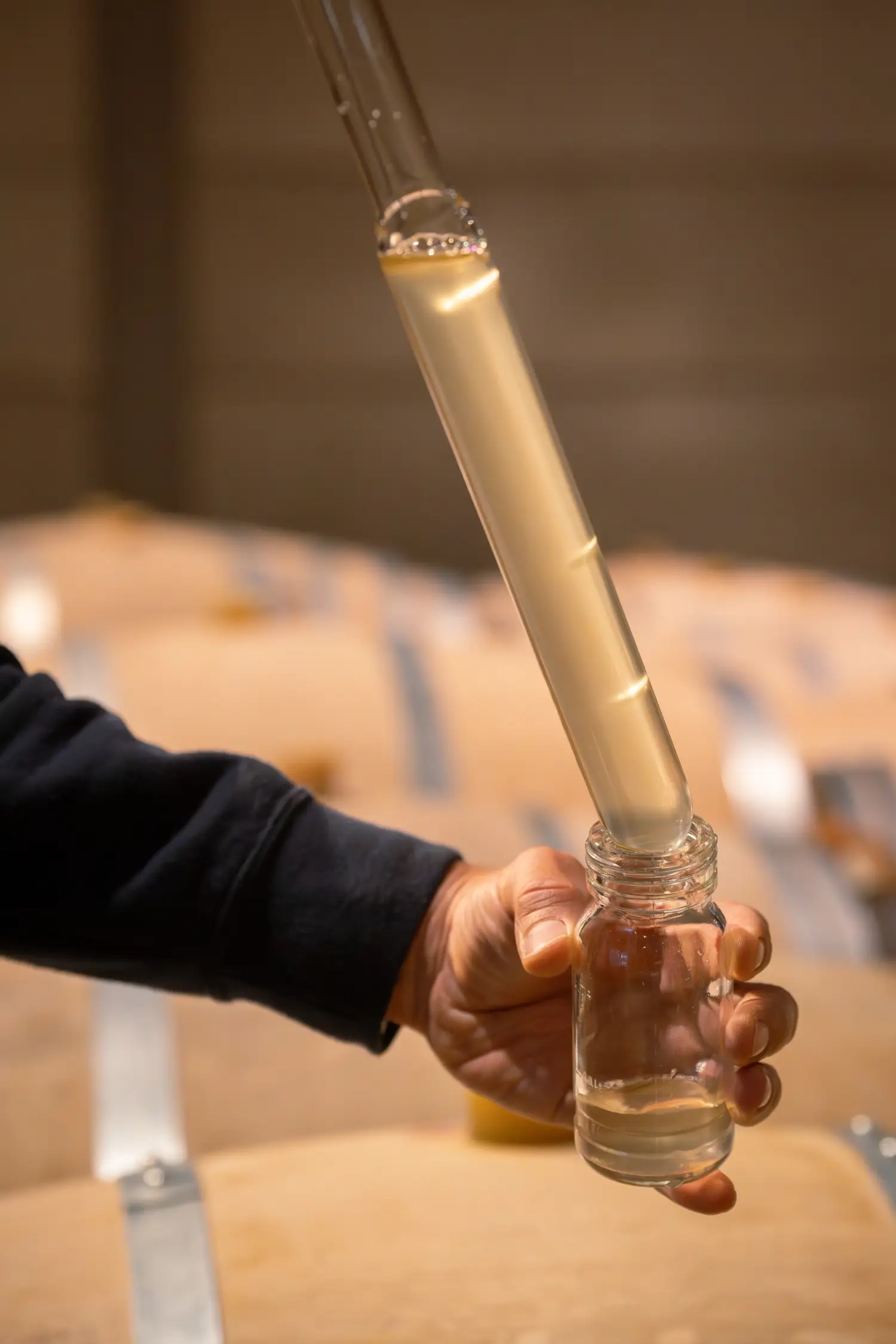
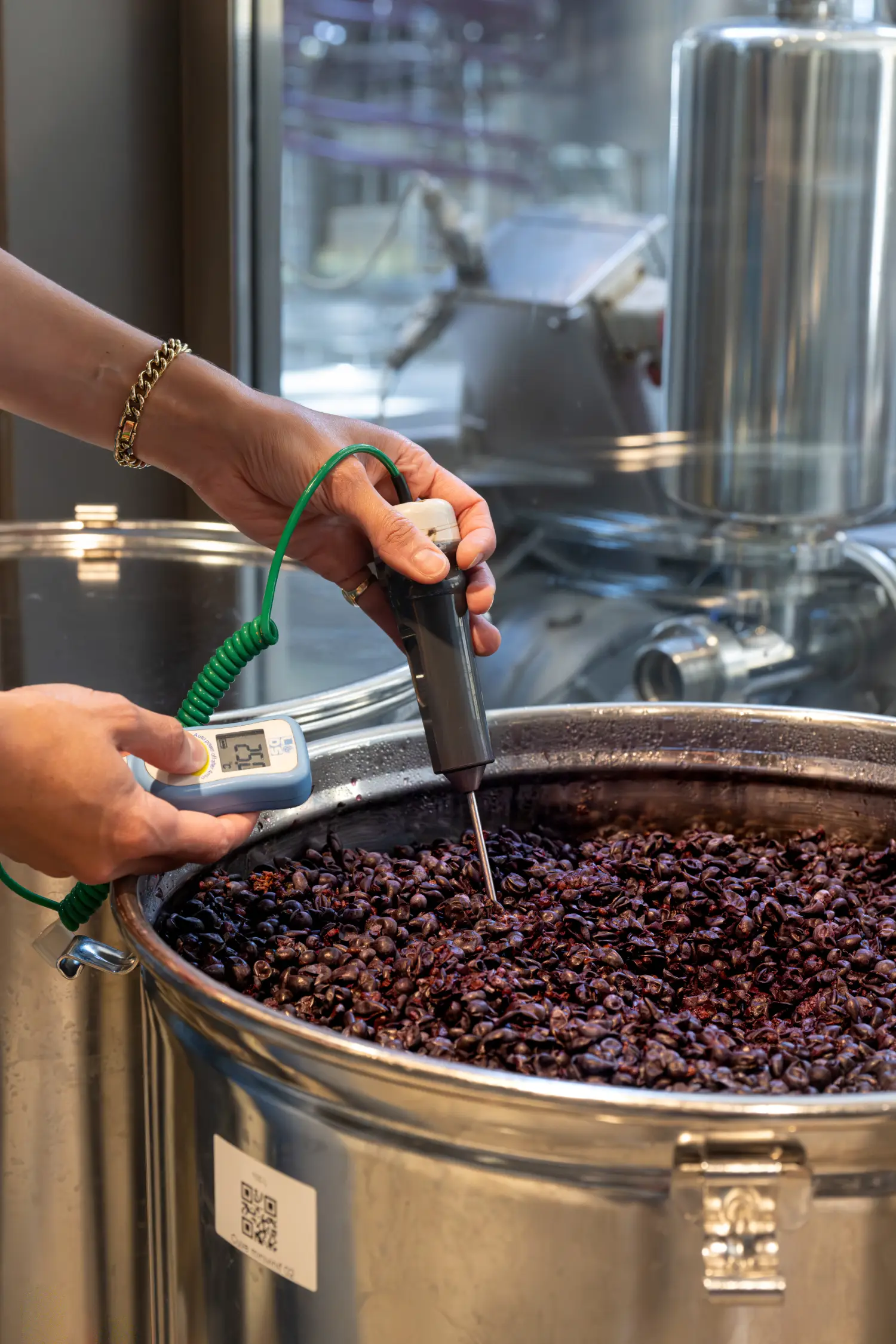
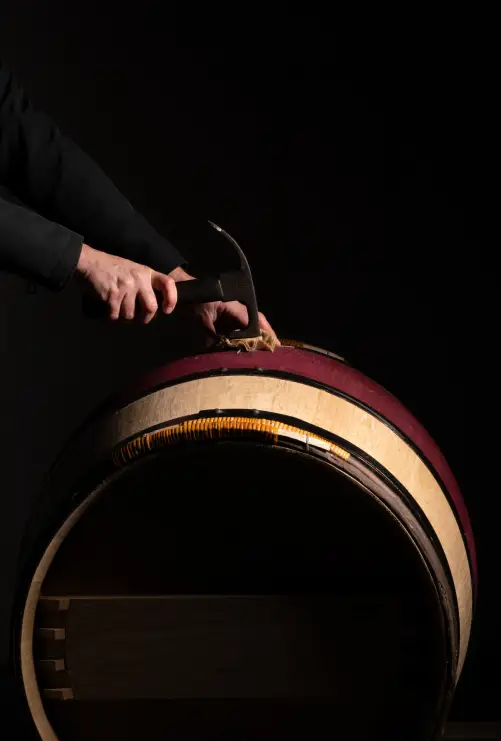
In the cellars, these trials aim to improve fermentation management, refine extraction, ageing, and bottling processes.

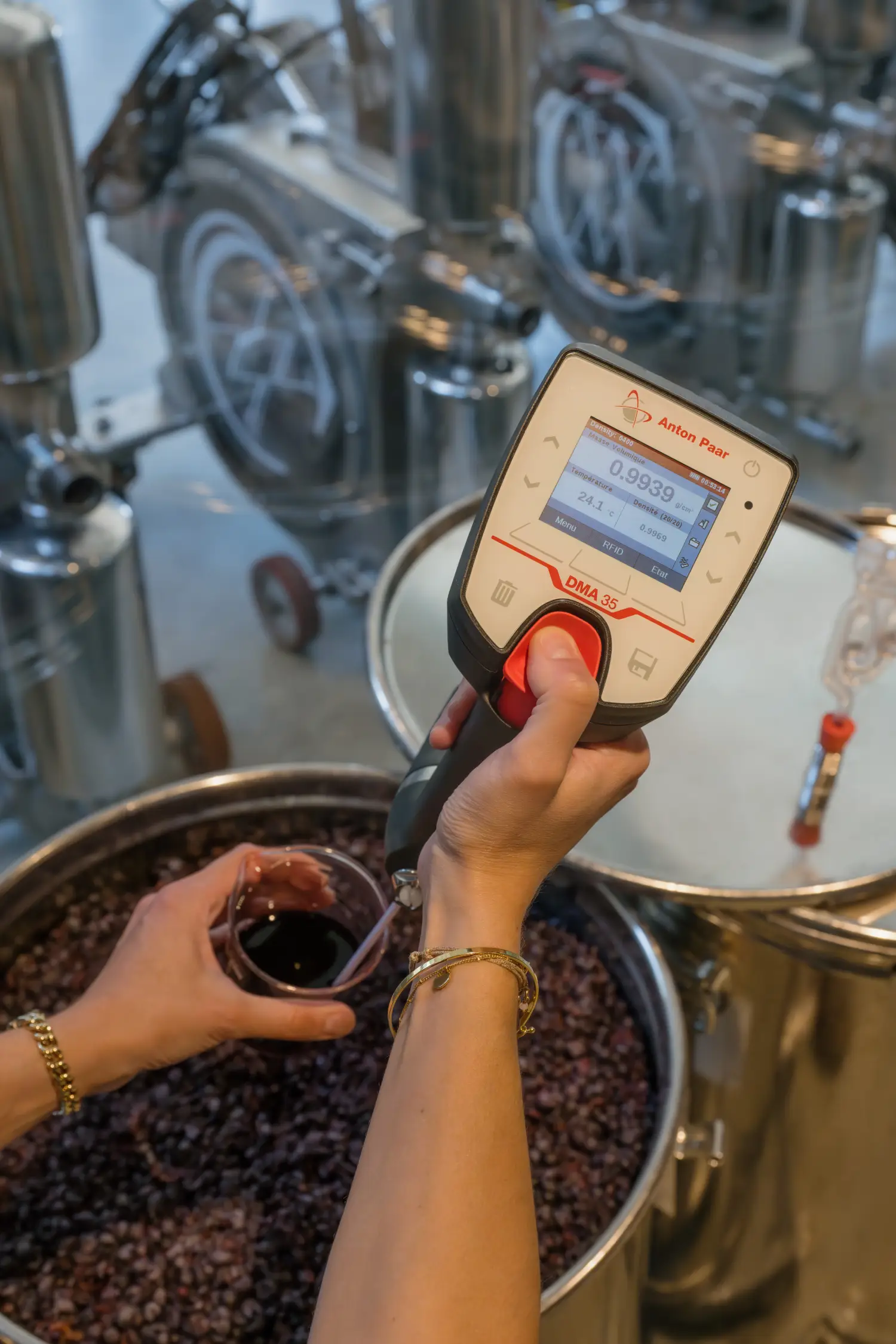
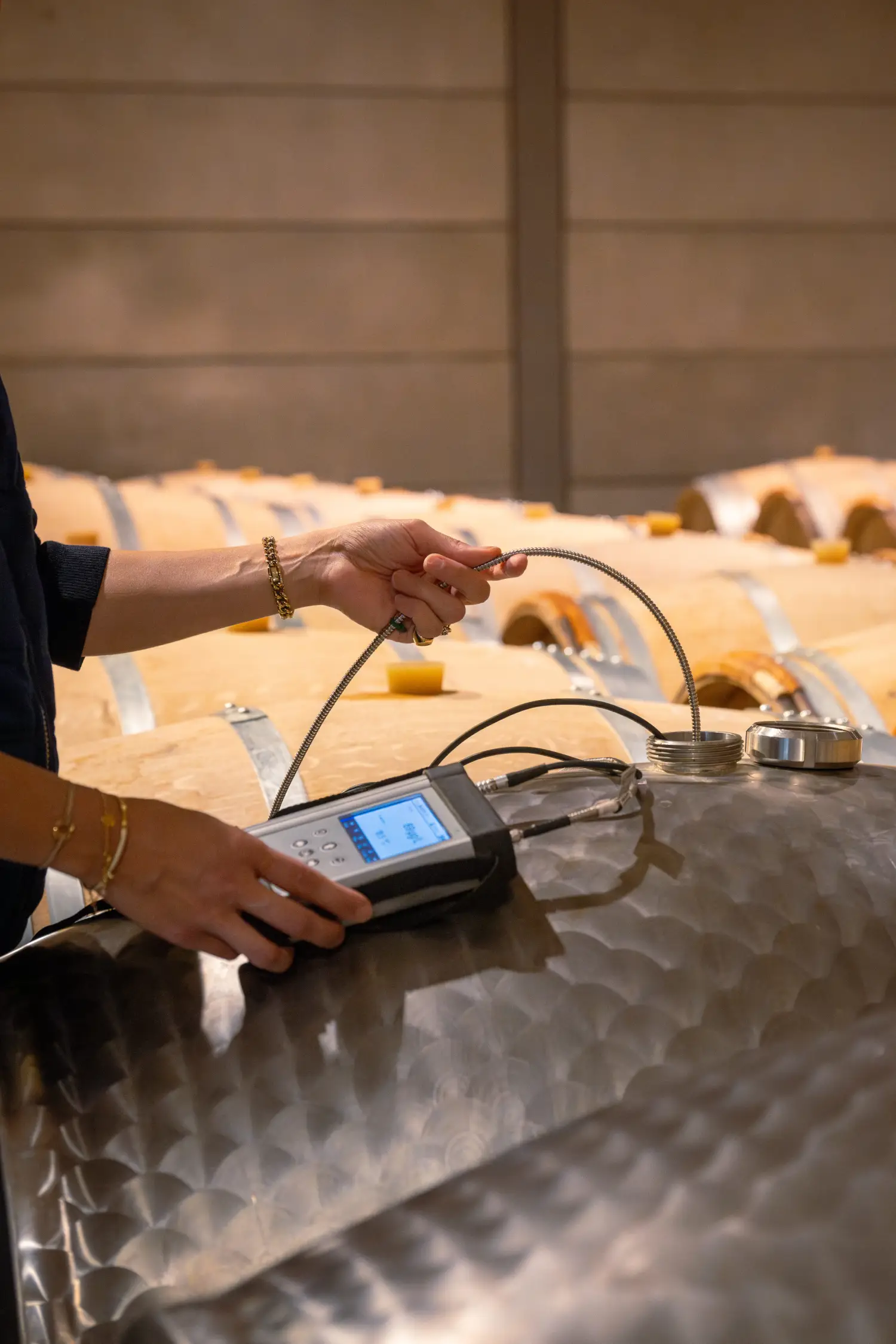
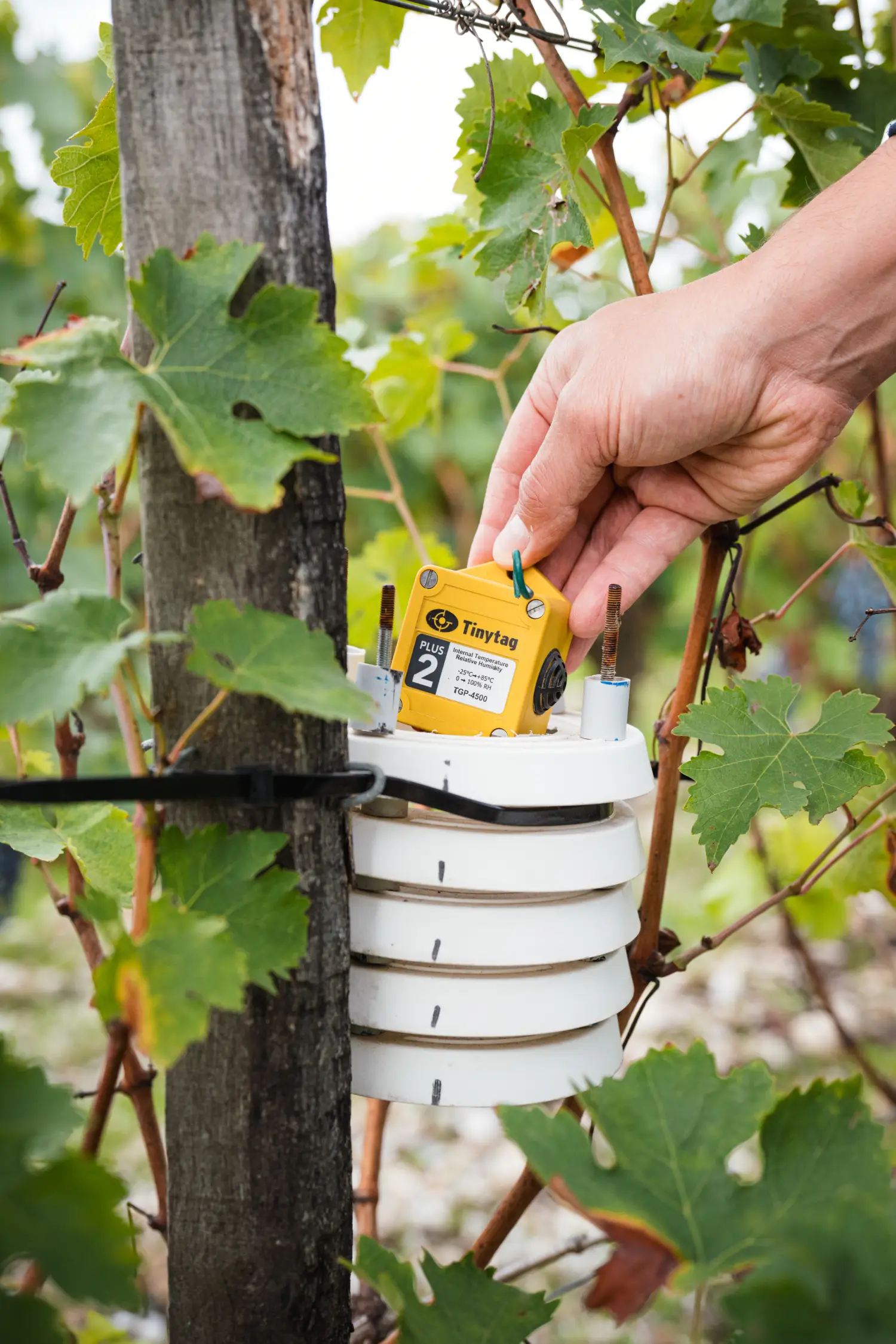
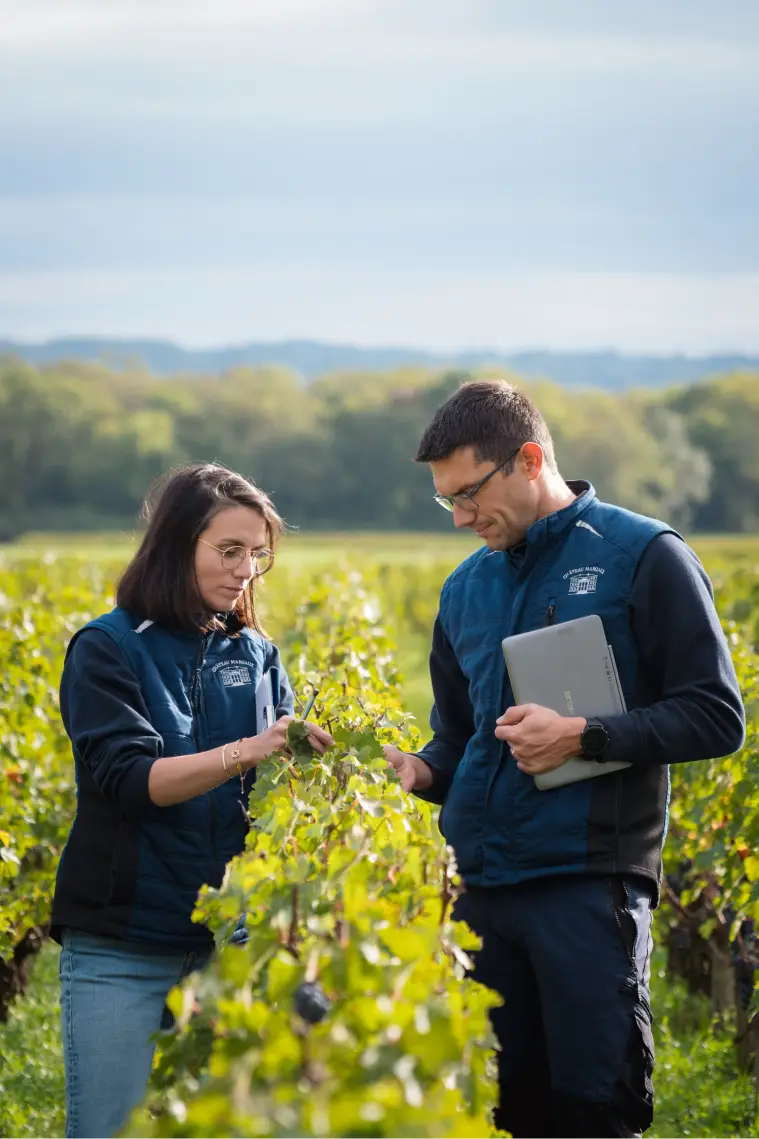
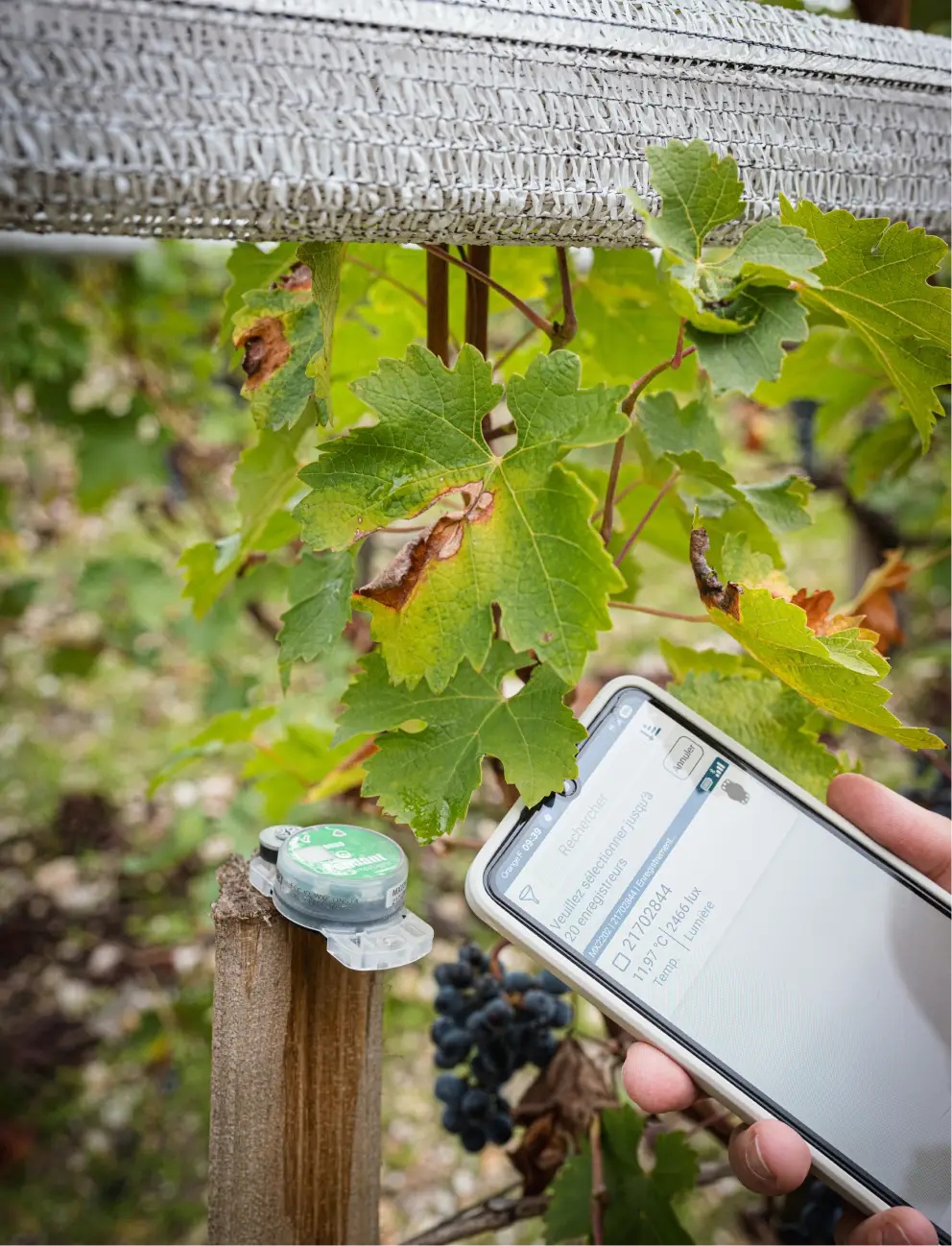
The use of precision technologies, such as sensors, mapping tools, and modelling software, allows the vineyard, fermentations, extractions, and ageing to be managed with exceptionnal accuracy. This approach combines scientific innovation with artisanal mastery to ensure the highest level of quality in our wines.
Challenges and commitments

The R&D department operates with a short, medium, and long-term vision to address the estate’s technical, climatic, and environmental challenges: SHOT TERM Supports teams in optimising current practices and adjusting technical choices to maintain consistency and quality despite variations in climate and grape maturity. MEDIUM TERM Anticipates necessary vineyard changes, tests new grape varieties and cultivation techniques, maintains and improves soils, and proposes winemaking innovations suited to the estate’s wines. LONG TERM Contributes to the estate’s ecological and patrimonial sustainability, strengthens vineyard resilience, and shares acquired knowledge to support the collective advancement of viticulture.

Challenges and commitments

The R&D department operates with a short, medium, and long-term vision to address the estate’s technical, climatic, and environmental challenges: SHOT TERM Supports teams in optimising current practices and adjusting technical choices to maintain consistency and quality despite variations in climate and grape maturity. MEDIUM TERM Anticipates necessary vineyard changes, tests new grape varieties and cultivation techniques, maintains and improves soils, and proposes winemaking innovations suited to the estate’s wines. LONG TERM Contributes to the estate’s ecological and patrimonial sustainability, strengthens vineyard resilience, and shares acquired knowledge to support the collective advancement of viticulture.

Concrete and innovative projects

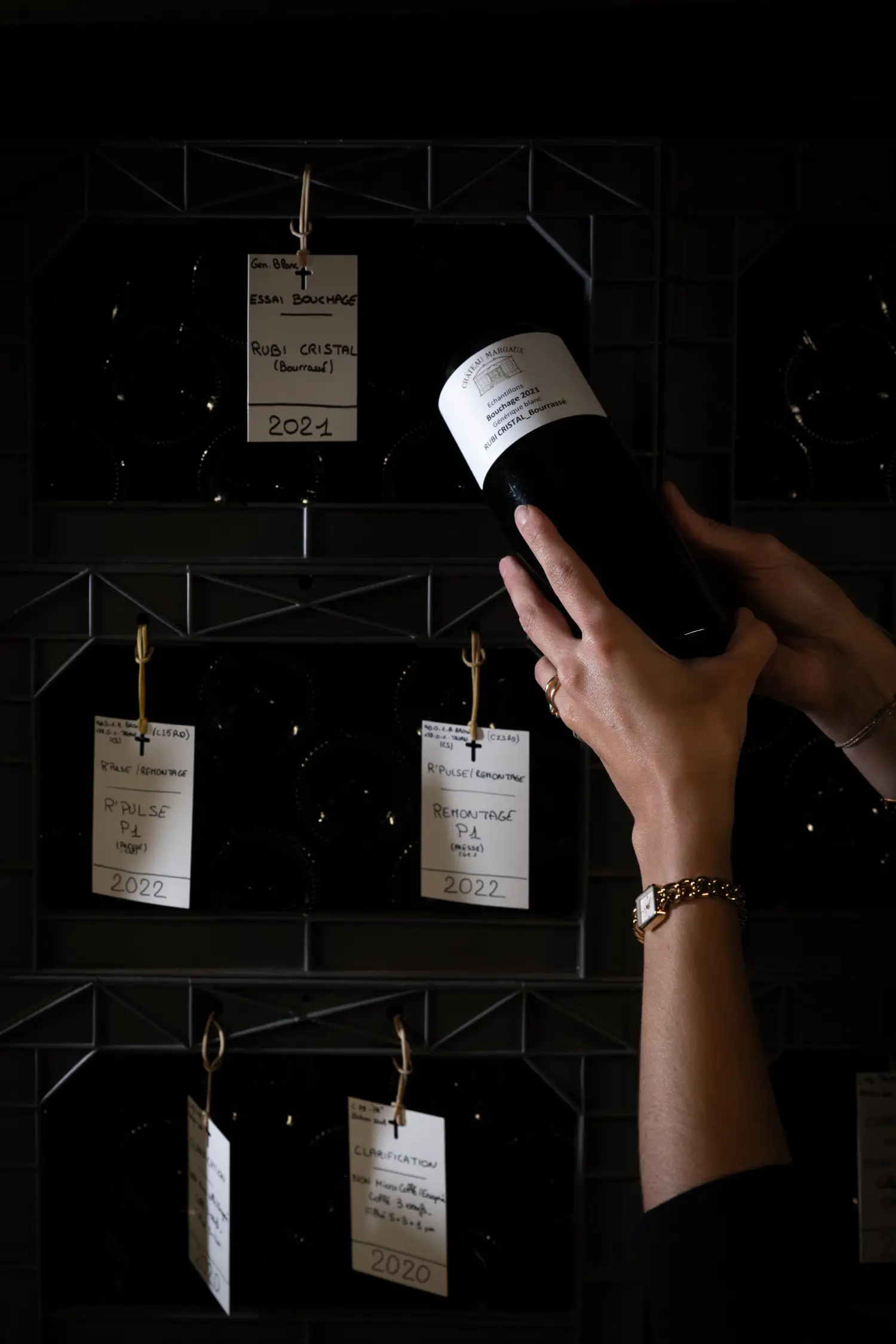
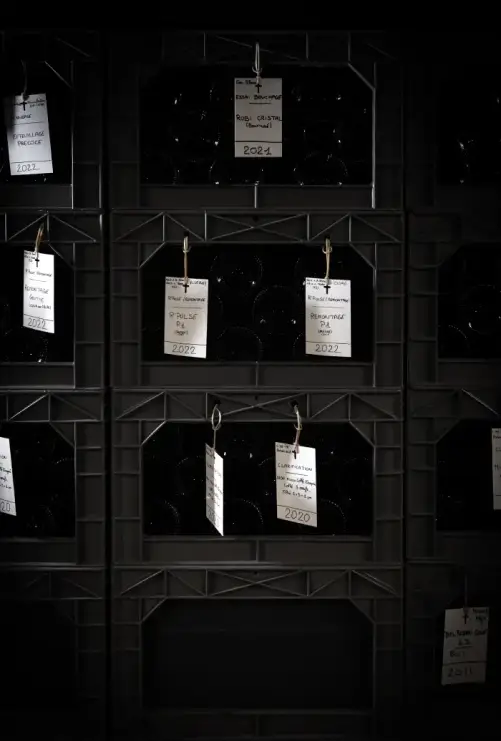
Each year, the R&D department conducts around 30 trials, covering both the vineyard and winemaking and ageing practices. Since its creation, more than 180 experiments have been carried out, and the estate now holds over 10,000 trial bottles, contributing to the continuous improvement of viticultural and oenological practices. Recent projects focus on organic and biodynamic farming, soil regeneration, protection against grapes sunburn, and optimisation of harvest dates. They also cover the choice of rootstocks, massal selections, clones, grape varieties, as well as the impact of the estate on different extraction techniques, ageing vessels, and closure types for our bottles. These studies allow the testing of new approaches while preserving the typicity and style of our wines.

Concrete and innovative projects

Each year, the R&D department conducts around 30 trials, covering both the vineyard and winemaking and ageing practices. Since its creation, more than 180 experiments have been carried out, and the estate now holds over 10,000 trial bottles, contributing to the continuous improvement of viticultural and oenological practices. Recent projects focus on organic and biodynamic farming, soil regeneration, protection against grapes sunburn, and optimisation of harvest dates. They also cover the choice of rootstocks, massal selections, clones, grape varieties, as well as the impact of the estate on different extraction techniques, ageing vessels, and closure types for our bottles. These studies allow the testing of new approaches while preserving the typicity and style of our wines.

Concrete and innovative projects

Each year, the R&D department conducts around 30 trials, covering both the vineyard and winemaking and ageing practices. Since its creation, more than 180 experiments have been carried out, and the estate now holds over 10,000 trial bottles, contributing to the continuous improvement of viticultural and oenological practices. Recent projects focus on organic and biodynamic farming, soil regeneration, protection against grapes sunburn, and optimisation of harvest dates. They also cover the choice of rootstocks, massal selections, clones, grape varieties, as well as the impact of the estate on different extraction techniques, ageing vessels, and closure types for our bottles. These studies allow the testing of new approaches while preserving the typicity and style of our wines.

A collaborative and cross-functional approach to R&D

The department collaborates with numerous scientific and academic institutions, such as INRAE, IFV, and the University of Bordeaux's ISVV, to enrich research and share results. These partnerships participate to the testing of new methods, rigorous data analysis, and dissemination of findings to the scientific and viticultural community. Château Margaux also works with private partners and suppliers to validate technical and winemaking innovations under real conditions. This cross-functional approach integrates R&D across all stages, from the vineyard to bottling, and supporting the transmission of know-how and continuous improvement of practices.

A collaborative and cross-functional approach to R&D

The department collaborates with numerous scientific and academic institutions, such as INRAE, IFV, and the University of Bordeaux's ISVV, to enrich research and share results. These partnerships participate to the testing of new methods, rigorous data analysis, and dissemination of findings to the scientific and viticultural community. Château Margaux also works with private partners and suppliers to validate technical and winemaking innovations under real conditions. This cross-functional approach integrates R&D across all stages, from the vineyard to bottling, and supporting the transmission of know-how and continuous improvement of practices.

A collaborative and cross-functional approach to R&D

The department collaborates with numerous scientific and academic institutions, such as INRAE, IFV, and the University of Bordeaux's ISVV, to enrich research and share results. These partnerships participate to the testing of new methods, rigorous data analysis, and dissemination of findings to the scientific and viticultural community. Château Margaux also works with private partners and suppliers to validate technical and winemaking innovations under real conditions. This cross-functional approach integrates R&D across all stages, from the vineyard to bottling, and supporting the transmission of know-how and continuous improvement of practices.

Results and impact

Placing innovation and research at the heart of the estate has optimised viticultural and oenological practices. It has also led to sustainable solutions that respect the terroir, better control of fermentations and extractions, and an even more refined ageing. Digital tools have enhanced precision in vineyard monitoring and winemaking. These innovations help preserve the identity and typicity of each wine while preparing the estate to face future climatic and technical challenges. R&D at Château Margaux remains a true engine of responsible innovation.

Results and impact

Placing innovation and research at the heart of the estate has optimised viticultural and oenological practices. It has also led to sustainable solutions that respect the terroir, better control of fermentations and extractions, and an even more refined ageing. Digital tools have enhanced precision in vineyard monitoring and winemaking. These innovations help preserve the identity and typicity of each wine while preparing the estate to face future climatic and technical challenges. R&D at Château Margaux remains a true engine of responsible innovation.