Preservation
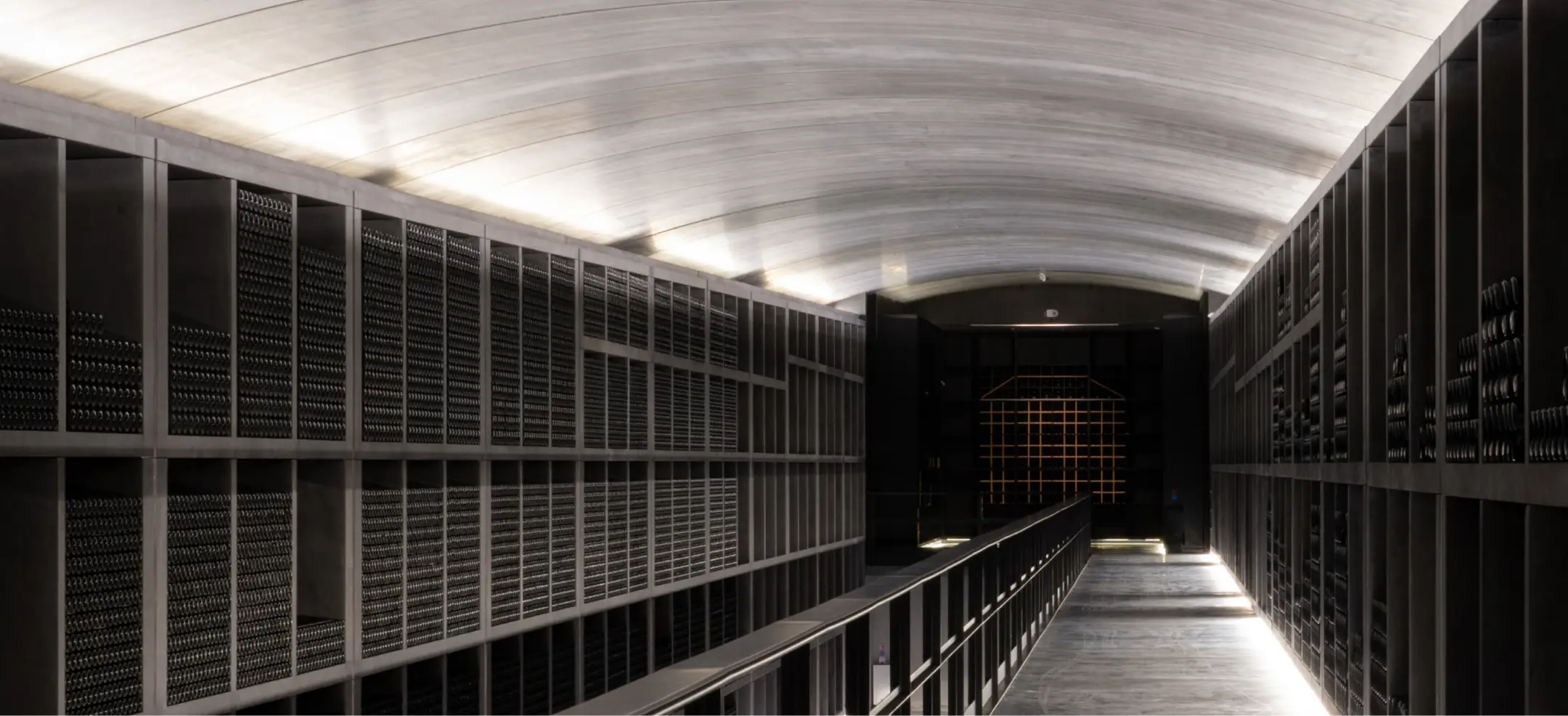
The storage of a wine is a matter of time and care. It is in the quiet of the cellar that the wine slowly transforms, gradually revealing the emotion and depth of Château Margaux.
1/3
Cellar
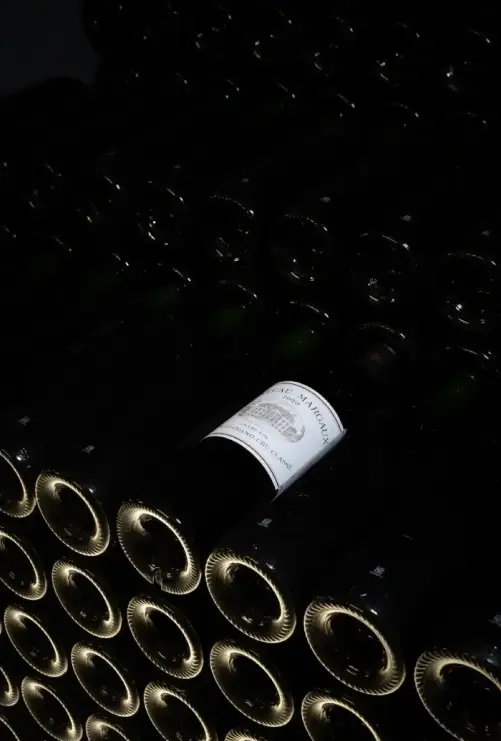
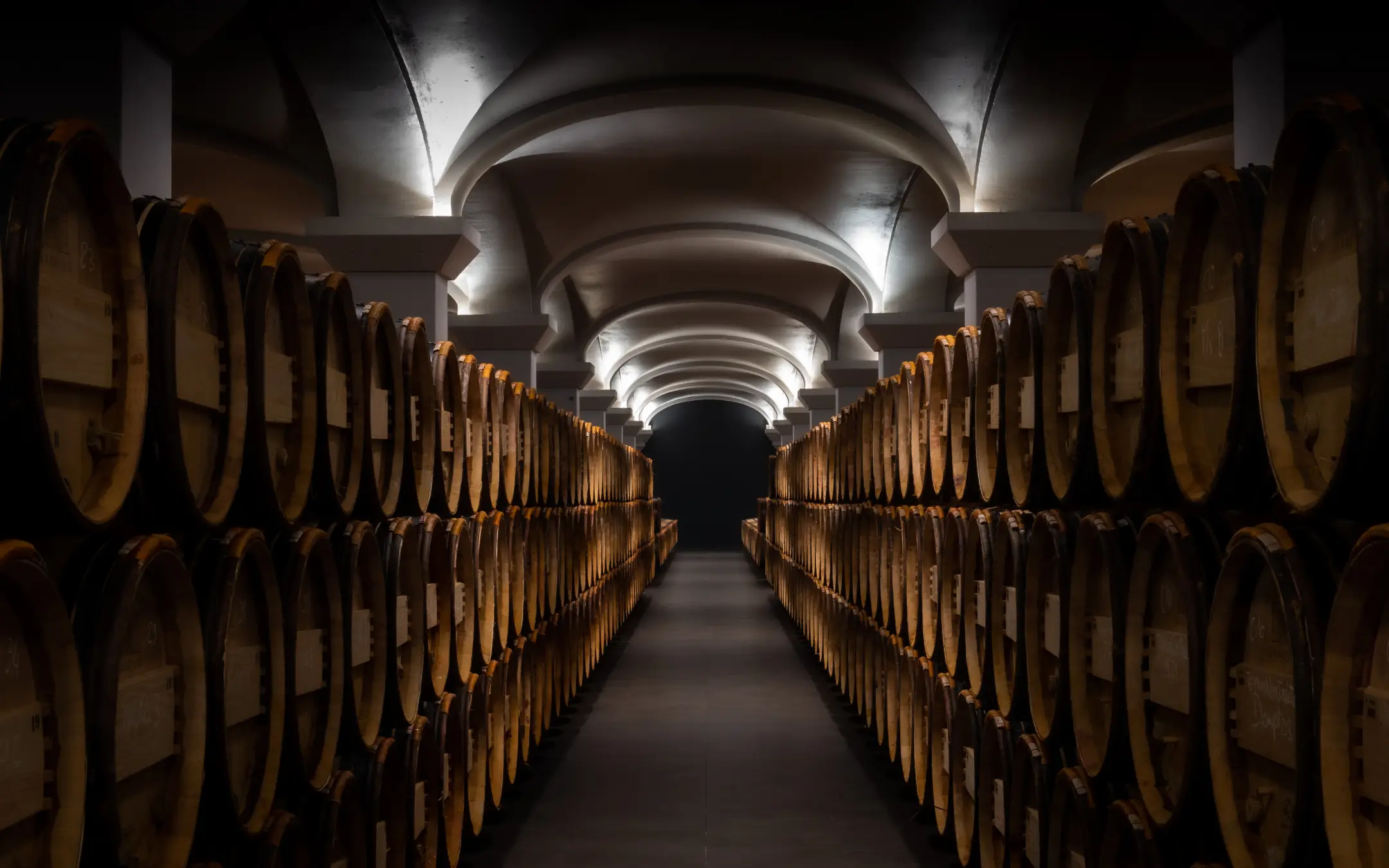
A wine cellar is not merely a storage space: it is a place where the wine evolves, refines itself, and prepares to be enjoyed in the best possible conditions. Above all, a good cellar must offer a stable environment: cool, slightly humid, and protected from light.
The ideal temperature for storing wine is around 14°C (57°F), with gentle seasonal variations, as long as they remain gradual.
In winter, wines tolerate temperatures close to 10°C (50°F) without difficulty, while in summer, it is advisable to avoid prolonged periods above 18°C (64°F). Sudden changes can disturb the wine’s balance and hasten its ageing.
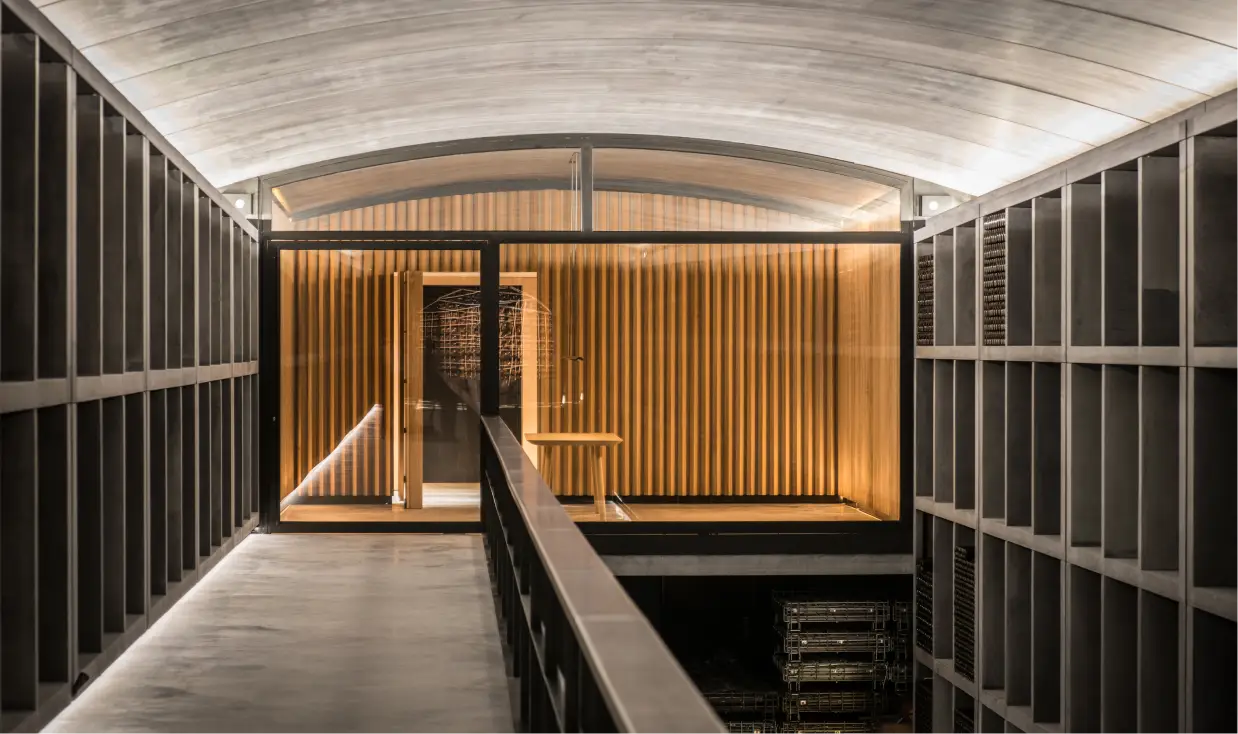
Humidity is also a key factor: a level of 75–80% prevents cork dehydration, evaporation, and helps maintain a proper seal. A slightly ventilated cellar, free from vibrations and odours, provides a healthy and consistent environment.
Whether natural or climate-controlled, the cellar must provide stable and appropriate conditions, allowing the great red wines of Bordeaux, particularly those of Château Margaux, to evolve slowly and harmoniously over time.
1/3
Cellar
A wine cellar is not merely a storage space: it is a place where the wine evolves, refines itself, and prepares to be enjoyed in the best possible conditions. Above all, a good cellar must offer a stable environment: cool, slightly humid, and protected from light.
The ideal temperature for storing wine is around 14°C (57°F), with gentle seasonal variations, as long as they remain gradual.
In winter, wines tolerate temperatures close to 10°C (50°F) without difficulty, while in summer, it is advisable to avoid prolonged periods above 18°C (64°F). Sudden changes can disturb the wine’s balance and hasten its ageing.
Humidity is also a key factor: a level of 75–80% prevents cork dehydration, evaporation, and helps maintain a proper seal. A slightly ventilated cellar, free from vibrations and odours, provides a healthy and consistent environment.
Whether natural or climate-controlled, the cellar must provide stable and appropriate conditions, allowing the great red wines of Bordeaux, particularly those of Château Margaux, to evolve slowly and harmoniously over time.
1/3
Cellar
A wine cellar is not merely a storage space: it is a place where the wine evolves, refines itself, and prepares to be enjoyed in the best possible conditions. Above all, a good cellar must offer a stable environment: cool, slightly humid, and protected from light.
The ideal temperature for storing wine is around 14°C (57°F), with gentle seasonal variations, as long as they remain gradual.
In winter, wines tolerate temperatures close to 10°C (50°F) without difficulty, while in summer, it is advisable to avoid prolonged periods above 18°C (64°F). Sudden changes can disturb the wine’s balance and hasten its ageing.
Humidity is also a key factor: a level of 75–80% prevents cork dehydration, evaporation, and helps maintain a proper seal. A slightly ventilated cellar, free from vibrations and odours, provides a healthy and consistent environment.
Whether natural or climate-controlled, the cellar must provide stable and appropriate conditions, allowing the great red wines of Bordeaux, particularly those of Château Margaux, to evolve slowly and harmoniously over time.
2/3
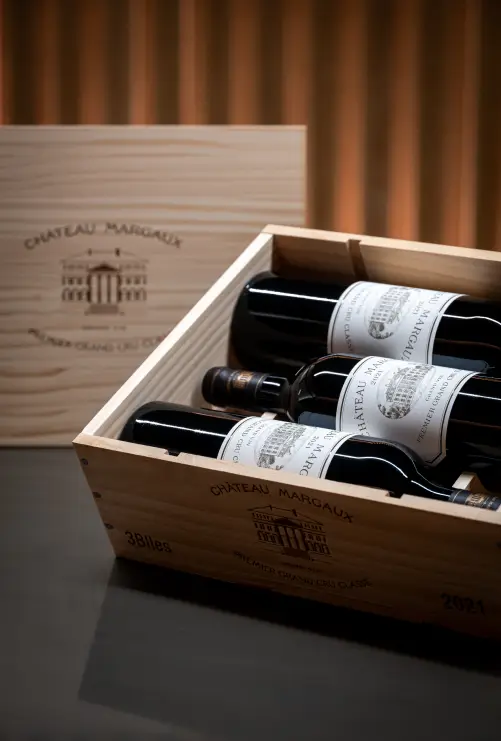
Storage
Château Margaux wines possess an exceptional capacity for ageing. Thanks to its terroir and meticulous work at every stage of their creation, they retain their freshness and finesse as the years go by.
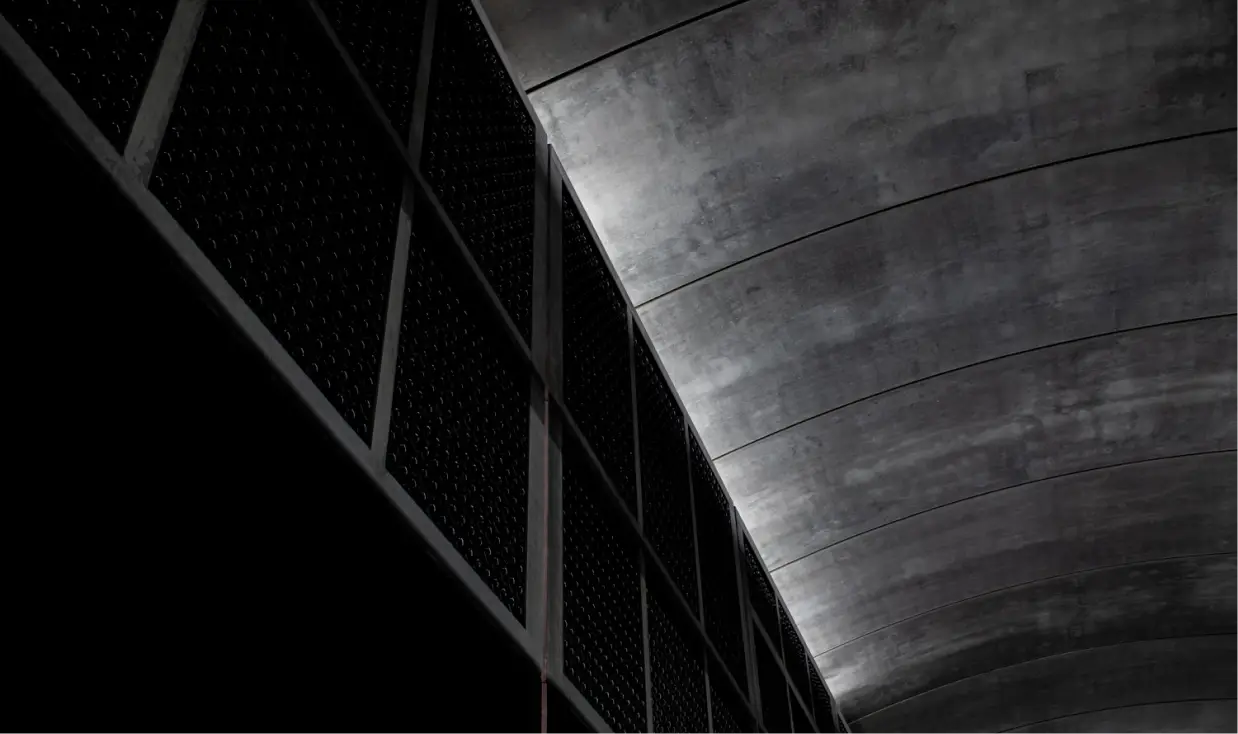
When stored in suitable conditions, they develop remarkable aromatic complexity and a supple, silky texture.
Whether Grand Vin, Pavillon Rouge or Pavillon Blanc, each bottle expresses, with time, the depth and character specific to its vintage.
2/3
Storage
Château Margaux wines possess an exceptional capacity for ageing. Thanks to its terroir and meticulous work at every stage of their creation, they retain their freshness and finesse as the years go by.
When stored in suitable conditions, they develop remarkable aromatic complexity and a supple, silky texture.
Whether Grand Vin, Pavillon Rouge or Pavillon Blanc, each bottle expresses, with time, the depth and character specific to its vintage.
2/3
Storage
Château Margaux wines possess an exceptional capacity for ageing. Thanks to its terroir and meticulous work at every stage of their creation, they retain their freshness and finesse as the years go by.
When stored in suitable conditions, they develop remarkable aromatic complexity and a supple, silky texture.
Whether Grand Vin, Pavillon Rouge or Pavillon Blanc, each bottle expresses, with time, the depth and character specific to its vintage.
3/3
Ageing
The ageing of wine is an essential process, where time reveals all the richness and depth of the greatest wines.
With the passing years, those of Château Margaux become more refined: their structure becomes more supple, their aromas gain in complexity, and their texture softens. After fifteen to twenty years of cellaring, they reveal an aromatic spectrum of great finesse, while retaining the freshness and length that define their balance.
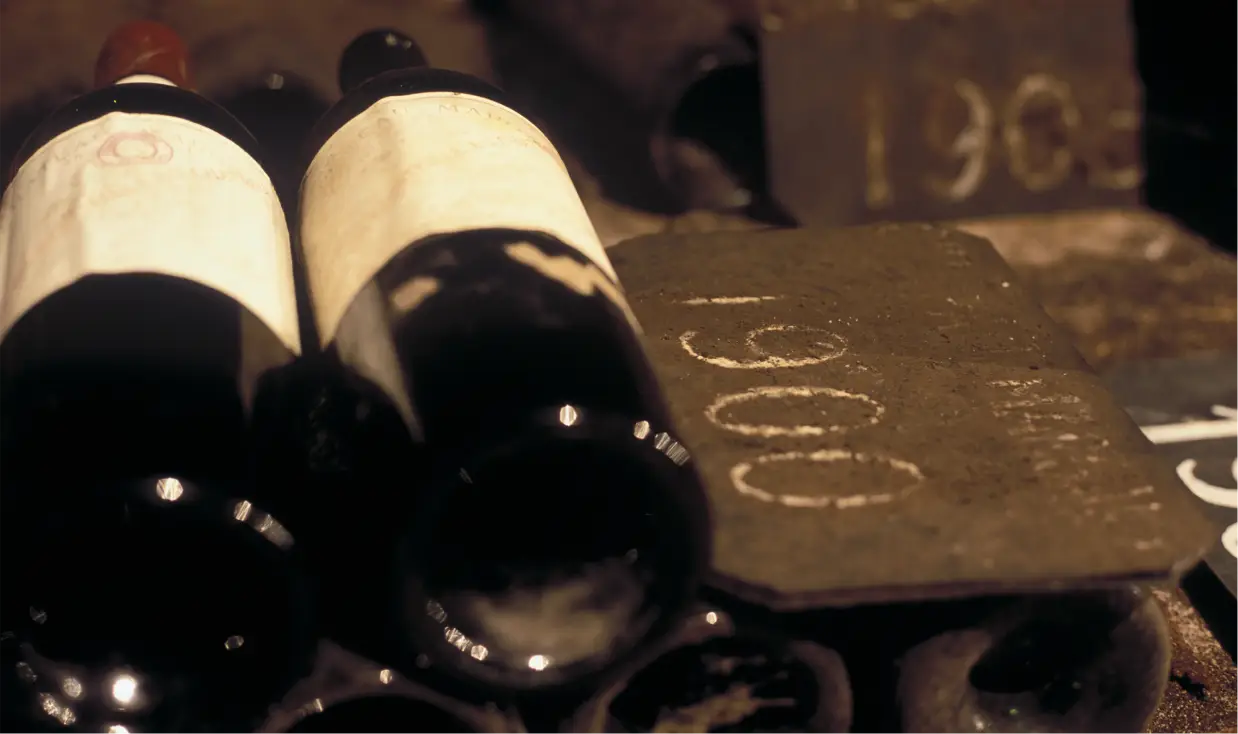
Some outstanding vintages can be kept for several decades, continuing to gain in elegance and refinement. Others, more accessible, show from their earliest years the purity of fruit, the precision of the tannins, and the finesse characteristic of the Château Margaux style.
The ideal ageing period depends on many factors: the vintage, the bottle size, storage conditions and, of course, the personal taste of the wine lover.
Beyond any guidelines, wine is meant to be enjoyed at the moment when it offers the greatest pleasure.
3/3
Ageing
The ageing of wine is an essential process, where time reveals all the richness and depth of the greatest wines.
With the passing years, those of Château Margaux become more refined: their structure becomes more supple, their aromas gain in complexity, and their texture softens. After fifteen to twenty years of cellaring, they reveal an aromatic spectrum of great finesse, while retaining the freshness and length that define their balance.
Some outstanding vintages can be kept for several decades, continuing to gain in elegance and refinement. Others, more accessible, show from their earliest years the purity of fruit, the precision of the tannins, and the finesse characteristic of the Château Margaux style.
The ideal ageing period depends on many factors: the vintage, the bottle size, storage conditions and, of course, the personal taste of the wine lover.
Beyond any guidelines, wine is meant to be enjoyed at the moment when it offers the greatest pleasure.
3/3
Ageing
The ageing of wine is an essential process, where time reveals all the richness and depth of the greatest wines.
With the passing years, those of Château Margaux become more refined: their structure becomes more supple, their aromas gain in complexity, and their texture softens. After fifteen to twenty years of cellaring, they reveal an aromatic spectrum of great finesse, while retaining the freshness and length that define their balance.
Some outstanding vintages can be kept for several decades, continuing to gain in elegance and refinement. Others, more accessible, show from their earliest years the purity of fruit, the precision of the tannins, and the finesse characteristic of the Château Margaux style.
The ideal ageing period depends on many factors: the vintage, the bottle size, storage conditions and, of course, the personal taste of the wine lover.
Beyond any guidelines, wine is meant to be enjoyed at the moment when it offers the greatest pleasure.

Explore the estate
Discover Château Margaux and its vineyards, either through a virtual tour or by visiting the estate in person. An opportunity to discover the terroir, the cellars, and the daily work that shapes our wines.
Explore the estate
Discover Château Margaux and its vineyards, either through a virtual tour or by visiting the estate in person. An opportunity to discover the terroir, the cellars, and the daily work that shapes our wines.
Explore the estate
Discover Château Margaux and its vineyards, either through a virtual tour or by visiting the estate in person. An opportunity to discover the terroir, the cellars, and the daily work that shapes our wines.