
2018
2018
2018

Pavillon Rouge 2018 represents 30% of the harvest. The blend is still dominated by cabernet sauvignon (69%). The proportion of merlot decreases slightly (19%) compared with other vintages. This is offset by a remarkable increase in petit verdot (9%), whose lots display particularly fine-grained tannins and a less pronounced aromatic profile than in some vintages. Cabernet franc completes the blend (3%).
Like Château Margaux, but to a lesser extent, Pavillon Rouge 2018 is powerful, silky and long. A delicate tannic presence accompanies the entire tasting. Although it has the highest level of tannins of any Pavillon Rouge, there is not the slightest hint of astringency at any point in the tasting. It is already pleasant to drink, although we recommend allowing it to age patiently. (October 2025)
Climate
The warmest year since the beginning of the 20th century, temperatures in 2018 were 3.24°F above the national average. In Margaux, the year began with a relatively mild winter with below-normal temperatures and occasional frosts in February which had no impact on our vines. The rest of the year was hot, sometimes very hot, compared with seasonal averages, marked by record-breaking temperatures in the last ten days of June and the first ten days of August, more than 7.2°F above the 30-year average.
Rainfall in the first half of the year was heavy with nearly 25 inches in Margaux between January 1st and July 10th, making growing conditions challenging. Each rainy day made a good vintage less likely. But dry and warm summer conditions eventually reached our region and remained until the end of the harvest. Rainfall was very low between mid-July and late September at 2 inches. This rainfall pattern is reminiscent of 2009.
Under these conditions, budbreak was relatively late between the 4th and the 10th of April. The vines flowered between the 25th and the 28th of May and, despite fairly poor conditions, we did not note, even in the relatively sensitive Merlot plots, poor or failed fruit-set. The greatest challenge was mildew which this year led to slightly lower yields than hoped for after the fruit-set.
The white grapes were harvested the week of August 27th. The red harvest took place from September 17th to October13th in ideal conditions. Again this year, we were able to choose the best time to harvest our grapes – no Botrytis symptoms, mild weather, ripening conditions sufficiently spread between the earliest Merlots and latest Cabernets – and we had time to take the necessary care with each wine-making vat. Nearly a hundred different batches were converted into wine this year, demonstrating our continued efforts for better and more precise selections.
Pavillon Rouge 2018 represents 30% of the harvest. The blend is still dominated by cabernet sauvignon (69%). The proportion of merlot decreases slightly (19%) compared with other vintages. This is offset by a remarkable increase in petit verdot (9%), whose lots display particularly fine-grained tannins and a less pronounced aromatic profile than in some vintages. Cabernet franc completes the blend (3%).
Like Château Margaux, but to a lesser extent, Pavillon Rouge 2018 is powerful, silky and long. A delicate tannic presence accompanies the entire tasting. Although it has the highest level of tannins of any Pavillon Rouge, there is not the slightest hint of astringency at any point in the tasting. It is already pleasant to drink, although we recommend allowing it to age patiently. (October 2025)
Climate
The warmest year since the beginning of the 20th century, temperatures in 2018 were 3.24°F above the national average. In Margaux, the year began with a relatively mild winter with below-normal temperatures and occasional frosts in February which had no impact on our vines. The rest of the year was hot, sometimes very hot, compared with seasonal averages, marked by record-breaking temperatures in the last ten days of June and the first ten days of August, more than 7.2°F above the 30-year average.
Rainfall in the first half of the year was heavy with nearly 25 inches in Margaux between January 1st and July 10th, making growing conditions challenging. Each rainy day made a good vintage less likely. But dry and warm summer conditions eventually reached our region and remained until the end of the harvest. Rainfall was very low between mid-July and late September at 2 inches. This rainfall pattern is reminiscent of 2009.
Under these conditions, budbreak was relatively late between the 4th and the 10th of April. The vines flowered between the 25th and the 28th of May and, despite fairly poor conditions, we did not note, even in the relatively sensitive Merlot plots, poor or failed fruit-set. The greatest challenge was mildew which this year led to slightly lower yields than hoped for after the fruit-set.
The white grapes were harvested the week of August 27th. The red harvest took place from September 17th to October13th in ideal conditions. Again this year, we were able to choose the best time to harvest our grapes – no Botrytis symptoms, mild weather, ripening conditions sufficiently spread between the earliest Merlots and latest Cabernets – and we had time to take the necessary care with each wine-making vat. Nearly a hundred different batches were converted into wine this year, demonstrating our continued efforts for better and more precise selections.
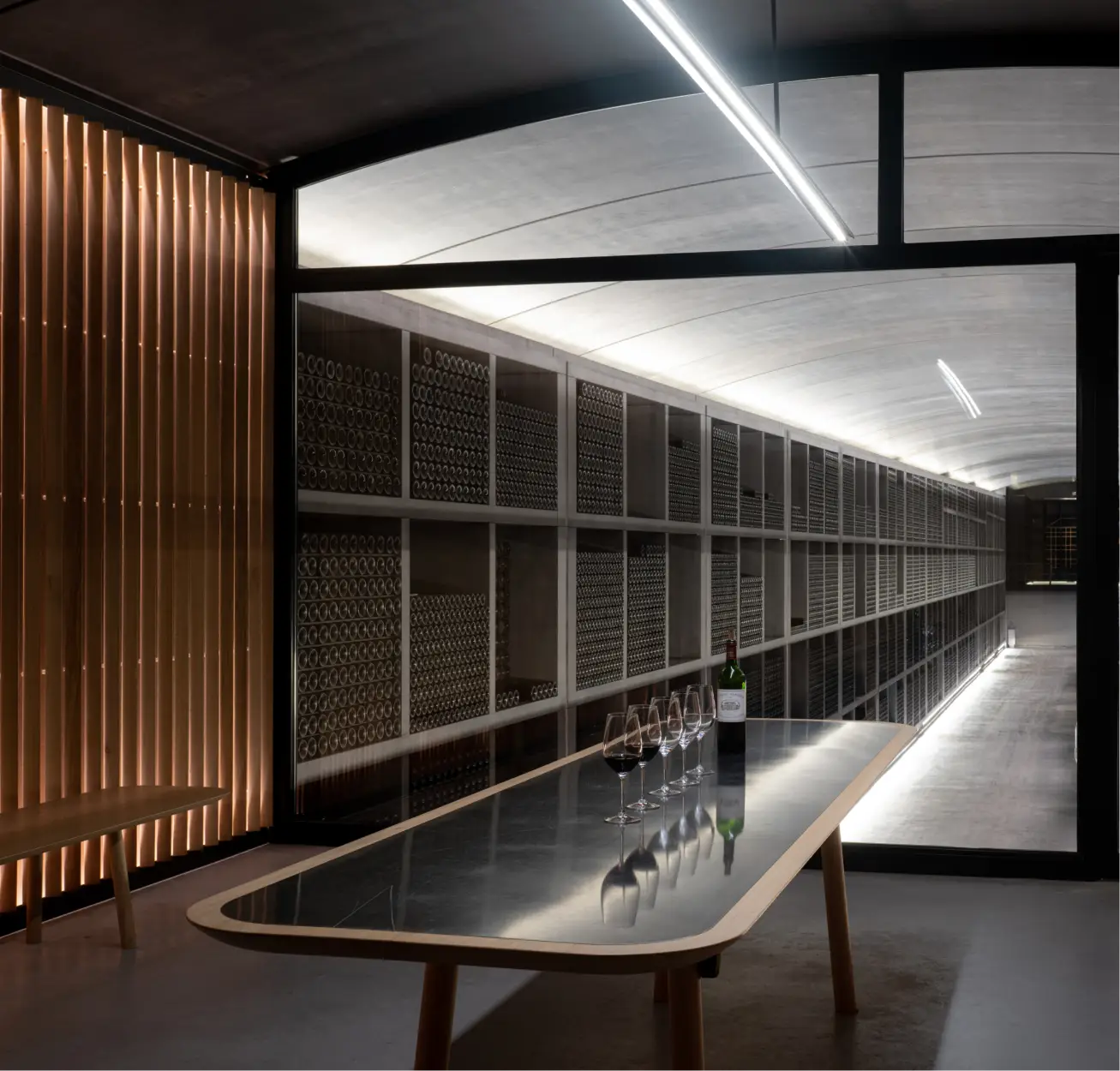
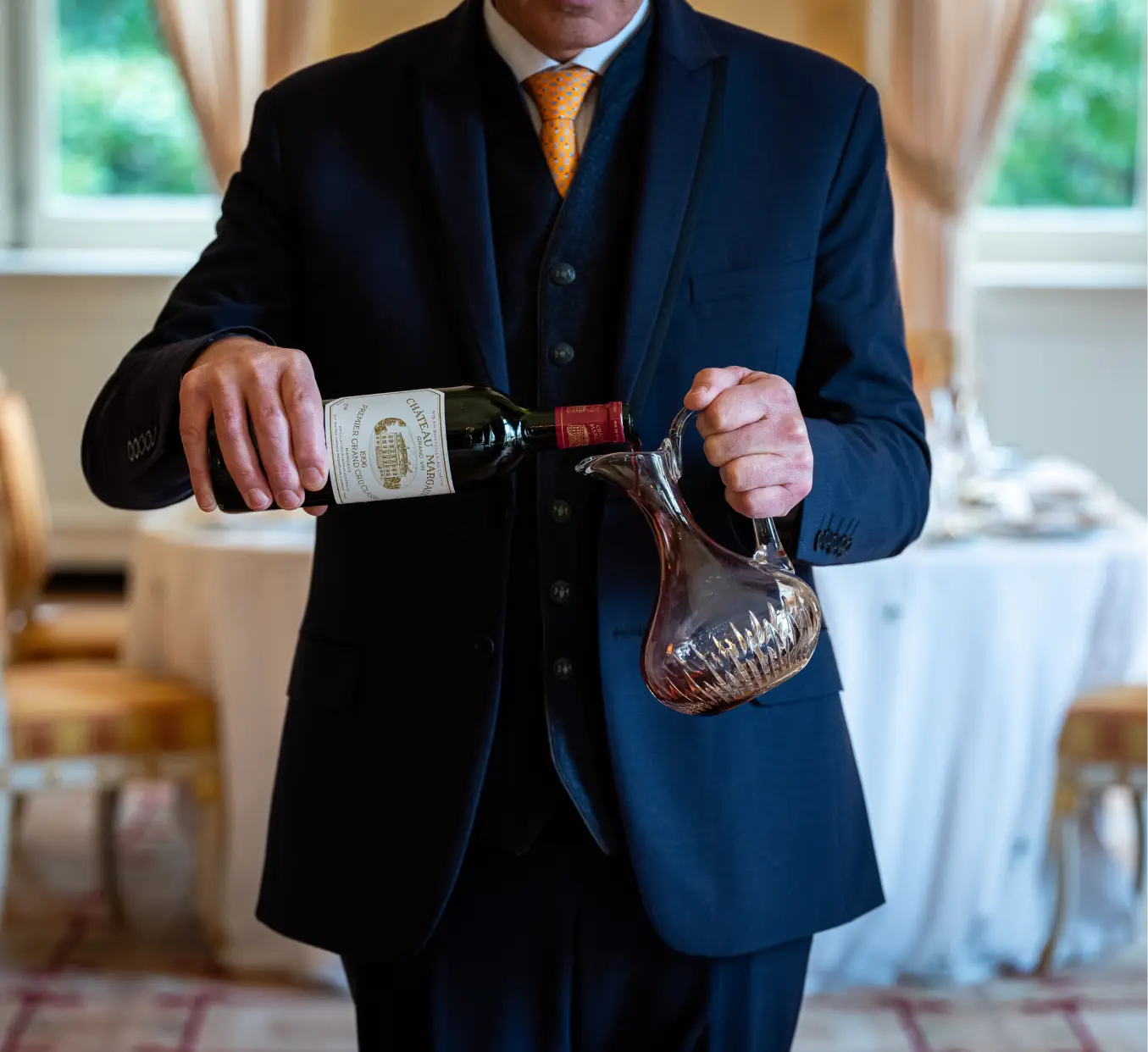
Service & tasting
Discover our tips for serving and tasting your wine in the best conditions.
Service & tasting
Discover our tips for serving and tasting your wine in the best conditions.