
2013
2013
2013

Such a sudden attack of Botrytis, just a few days before the start of the harvest, had not been seen for a long time. But even if the fungus hasn’t changed, our methods of dealing with it are certainly not the same as in the 70s! Nowadays, our harvest teams, larger and better trained, are capable of ensuring perfect sorting in record time, while in the cellars, modern equipment for the selction and processing of the grapes does work that was inconceivable ten years ago.
But all these efforts cannot accelerate the ripening of the grapes in the later-ripening plots of cabernet, nor to erase the effects of “millerandage” in the merlots… The blending decisions have therefore been particularly severe for this vintage: Pavillon Rouge only consists of 21 % of the harvest, whereas the third and fourth wines make up 41%. It’s the lowest quantity of Pavillon Rouge ever produced…
The proportions of grape varieties show the strengths and weaknesses of the vintage: hardly 10% merlot, which never recovered from its difficult flowering, and we never quite understood why; 84% cabernet sauvignon which once more demonstrated its remarkable adaptation to our terroirs; 4% petit verdot which we didn’t expect to be of such good quality; and lastly 2% cabernet franc which did very well in this complicated vintage.
Thanks to this unprecedented selection, Pavillon Rouge 2013 has attained a surprising quality. Without doubt, fifteen years ago, it would have been entirely included in the Grand Vin blend.
It can already be enjoyed, without any hurry. (October 2025)
Climate
The particularly cool temperatures at the end of winter and into spring delayed the shooting and then the flowering by a good ten days compared to the average. And as it also rained a lot during this period, the flowering was slow and the formation of the grapes difficult which caused a generalised “millerandage” and a bad problem of “coulure” - falling of underdeveloped fruit - in the Merlots. This latter phenomenon turned out to be more moderate for the Cabernets. Straightaway, we knew that the 2013 vintage wouldn’t be plentiful…
Fortunately, the summer drought enabled the grapes to catch up some of their lateness: at the moment of changing colour, we didn’t find the same heterogeneity as at the moment of flowering. It is also possible that their low quantity accentuated the catching up. At the beginning of September hope was growing for a harvest, certainly small, but that seemed to be ripening under excellent conditions.
September was paradoxical, relatively dry, but damp at the same time. Frequent small bursts of rain, in fact, maintained a raised ambient humidity without causing too much precipitation. So there was everything to play for until the end of the month when a sudden development of Botrytis led us to a quick start of the harvest ; in the end, the grapes would lose just a few days’ ripening, enough to dash the hopes of a great vintage, not enough to take away all its promises.
The harvest of the whites took place from the 19th to the 27th of September, and that of the reds, from the 30th of September to the 11th of October.
Such a sudden attack of Botrytis, just a few days before the start of the harvest, had not been seen for a long time. But even if the fungus hasn’t changed, our methods of dealing with it are certainly not the same as in the 70s! Nowadays, our harvest teams, larger and better trained, are capable of ensuring perfect sorting in record time, while in the cellars, modern equipment for the selction and processing of the grapes does work that was inconceivable ten years ago.
But all these efforts cannot accelerate the ripening of the grapes in the later-ripening plots of cabernet, nor to erase the effects of “millerandage” in the merlots… The blending decisions have therefore been particularly severe for this vintage: Pavillon Rouge only consists of 21 % of the harvest, whereas the third and fourth wines make up 41%. It’s the lowest quantity of Pavillon Rouge ever produced…
The proportions of grape varieties show the strengths and weaknesses of the vintage: hardly 10% merlot, which never recovered from its difficult flowering, and we never quite understood why; 84% cabernet sauvignon which once more demonstrated its remarkable adaptation to our terroirs; 4% petit verdot which we didn’t expect to be of such good quality; and lastly 2% cabernet franc which did very well in this complicated vintage.
Thanks to this unprecedented selection, Pavillon Rouge 2013 has attained a surprising quality. Without doubt, fifteen years ago, it would have been entirely included in the Grand Vin blend.
It can already be enjoyed, without any hurry. (October 2025)
Climate
The particularly cool temperatures at the end of winter and into spring delayed the shooting and then the flowering by a good ten days compared to the average. And as it also rained a lot during this period, the flowering was slow and the formation of the grapes difficult which caused a generalised “millerandage” and a bad problem of “coulure” - falling of underdeveloped fruit - in the Merlots. This latter phenomenon turned out to be more moderate for the Cabernets. Straightaway, we knew that the 2013 vintage wouldn’t be plentiful…
Fortunately, the summer drought enabled the grapes to catch up some of their lateness: at the moment of changing colour, we didn’t find the same heterogeneity as at the moment of flowering. It is also possible that their low quantity accentuated the catching up. At the beginning of September hope was growing for a harvest, certainly small, but that seemed to be ripening under excellent conditions.
September was paradoxical, relatively dry, but damp at the same time. Frequent small bursts of rain, in fact, maintained a raised ambient humidity without causing too much precipitation. So there was everything to play for until the end of the month when a sudden development of Botrytis led us to a quick start of the harvest ; in the end, the grapes would lose just a few days’ ripening, enough to dash the hopes of a great vintage, not enough to take away all its promises.
The harvest of the whites took place from the 19th to the 27th of September, and that of the reds, from the 30th of September to the 11th of October.
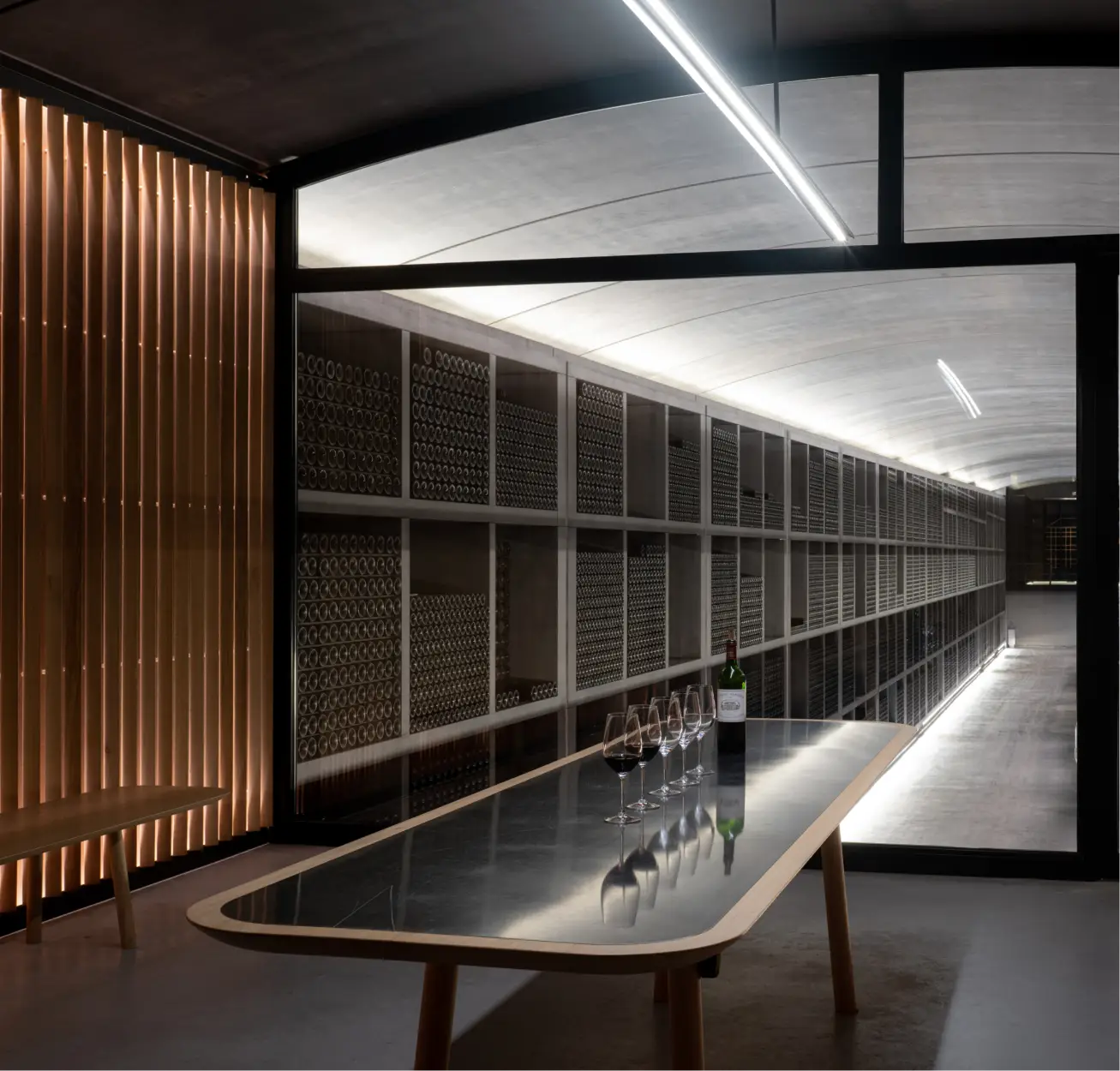
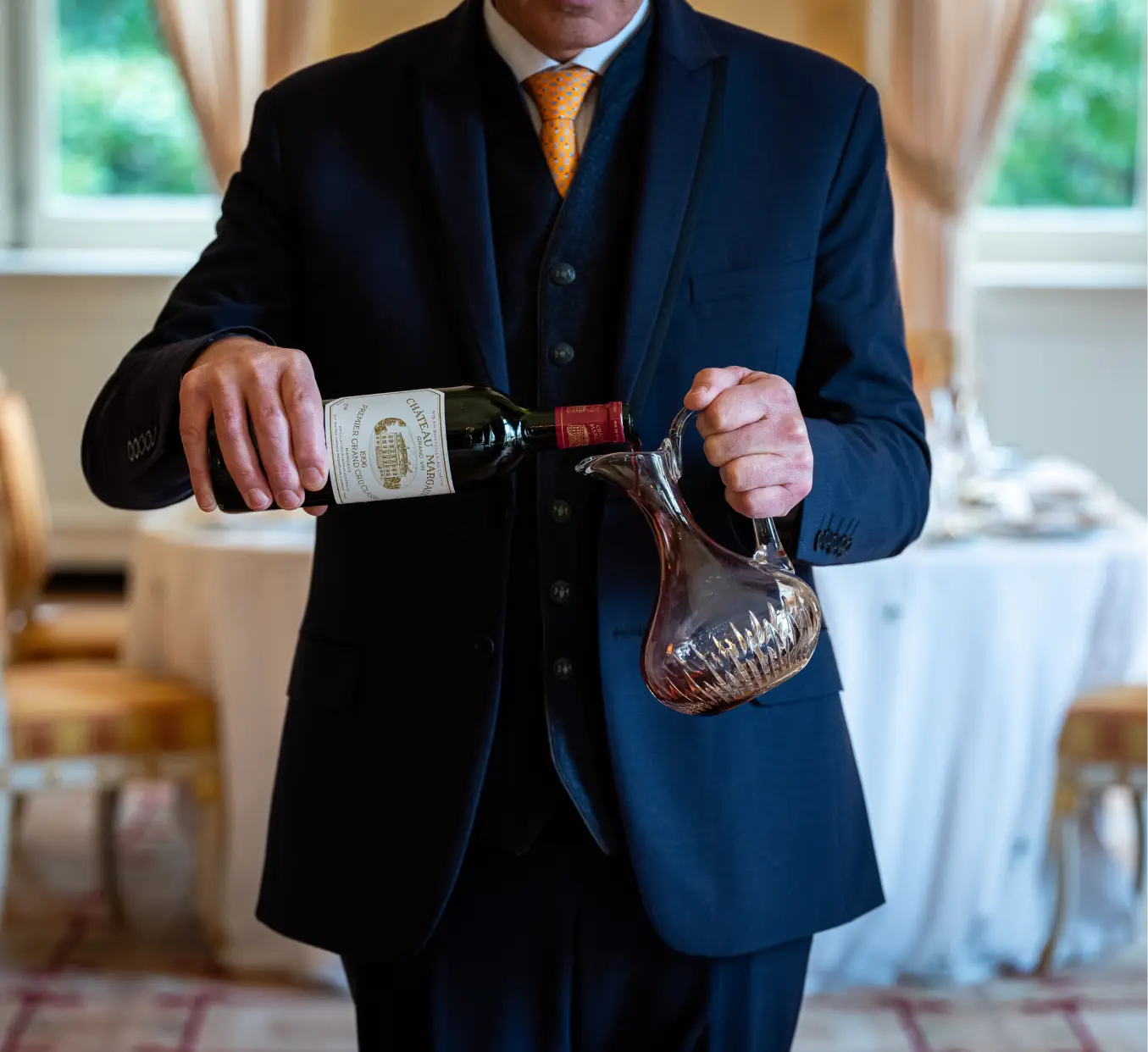
Service & tasting
Discover our tips for serving and tasting your wine in the best conditions.
Service & tasting
Discover our tips for serving and tasting your wine in the best conditions.