
2012
2012
2012
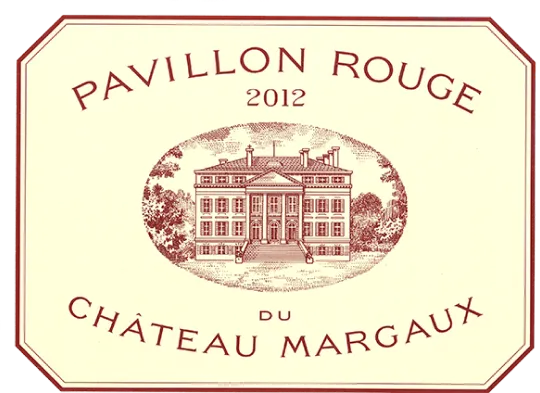
Barely 30% of the harvest went into the Pavillon Rouge: the more rigorous selection, strengthened since 2011, is gradually bringing the Pavillon Rouge closer, in style at least, to the Grand Vin. Can we still call it a second wine? It is worth recalling that, thirty years ago, this entire lot would have become Château Margaux. The Pavillon Rouge of that time is now what has become the third and fourth wines...
Some merlot plots are finally beginning to improve—yet not enough to go into the Grand Vin—but their quality this year allowed 33% to be included in the blend. The increasingly precise plot selection that we carry out, as well as the vintage conditions, largely explains this good news. This wasn’t the case with the petit verdot. The younger plots, which had done well in 2011, didn’t cope with the summer drought: there is barely 3% of it in the blend. The cabernets–63% cabernet sauvignon, 1% cabernet franc– unsurprisingly make up the backbone of the wine.
Pavillon Rouge 2012 is a very powerful wine—approaching the historic levels of tannic concentration of 2011—yet very balanced, delicate and refined. It doesn't quite reach the level of quality of 2010, it’s not far off. It is already very pleasant, but will benefit from being kept a few more years. (November 2025)
Climate
2012 marked the return of a great climatic classicism: a cold winter, especially in February, followed by a very wet spring, then a very dry summer before a return to rainy weather as from September 20th.
The heavy rain which lasted until July 15th, created very favourable conditions for the development of mildew. However this year we intensified our organic programme with great success: not only have we not used any insecticide on the estate for 10 years, but in 2012 we only used one chemical treatment, as opposed to the usual 7 or 8 on the great wine plots. We’re almost there…
From July 15th onwards, the weather was dry and moderately warm but punctuated by a few very hot days. Such conditions are typical of great Bordeaux classic vintages: they allow for the simultaneous ripening and concentration of the grapes. Only the less good terroirs and young vines suffered from the sudden transition from a very wet spring to a very dry summer.
The weather changed again from the first day of autumn: the moderate rains, which fell regularly from September 20th onwards, arrived too late to greatly upset the ripening or health of the grapes, but probably prevented, by a few days, 2012 from being the great vintage it should have been.
The harvest of the whites took place between the 10th and the 14th September, while the harvest of the reds was carried out between the 25th September and the 16th October, just before the weather really deteriorated...
Barely 30% of the harvest went into the Pavillon Rouge: the more rigorous selection, strengthened since 2011, is gradually bringing the Pavillon Rouge closer, in style at least, to the Grand Vin. Can we still call it a second wine? It is worth recalling that, thirty years ago, this entire lot would have become Château Margaux. The Pavillon Rouge of that time is now what has become the third and fourth wines...
Some merlot plots are finally beginning to improve—yet not enough to go into the Grand Vin—but their quality this year allowed 33% to be included in the blend. The increasingly precise plot selection that we carry out, as well as the vintage conditions, largely explains this good news. This wasn’t the case with the petit verdot. The younger plots, which had done well in 2011, didn’t cope with the summer drought: there is barely 3% of it in the blend. The cabernets–63% cabernet sauvignon, 1% cabernet franc– unsurprisingly make up the backbone of the wine.
Pavillon Rouge 2012 is a very powerful wine—approaching the historic levels of tannic concentration of 2011—yet very balanced, delicate and refined. It doesn't quite reach the level of quality of 2010, it’s not far off. It is already very pleasant, but will benefit from being kept a few more years. (November 2025)
Climate
2012 marked the return of a great climatic classicism: a cold winter, especially in February, followed by a very wet spring, then a very dry summer before a return to rainy weather as from September 20th.
The heavy rain which lasted until July 15th, created very favourable conditions for the development of mildew. However this year we intensified our organic programme with great success: not only have we not used any insecticide on the estate for 10 years, but in 2012 we only used one chemical treatment, as opposed to the usual 7 or 8 on the great wine plots. We’re almost there…
From July 15th onwards, the weather was dry and moderately warm but punctuated by a few very hot days. Such conditions are typical of great Bordeaux classic vintages: they allow for the simultaneous ripening and concentration of the grapes. Only the less good terroirs and young vines suffered from the sudden transition from a very wet spring to a very dry summer.
The weather changed again from the first day of autumn: the moderate rains, which fell regularly from September 20th onwards, arrived too late to greatly upset the ripening or health of the grapes, but probably prevented, by a few days, 2012 from being the great vintage it should have been.
The harvest of the whites took place between the 10th and the 14th September, while the harvest of the reds was carried out between the 25th September and the 16th October, just before the weather really deteriorated...
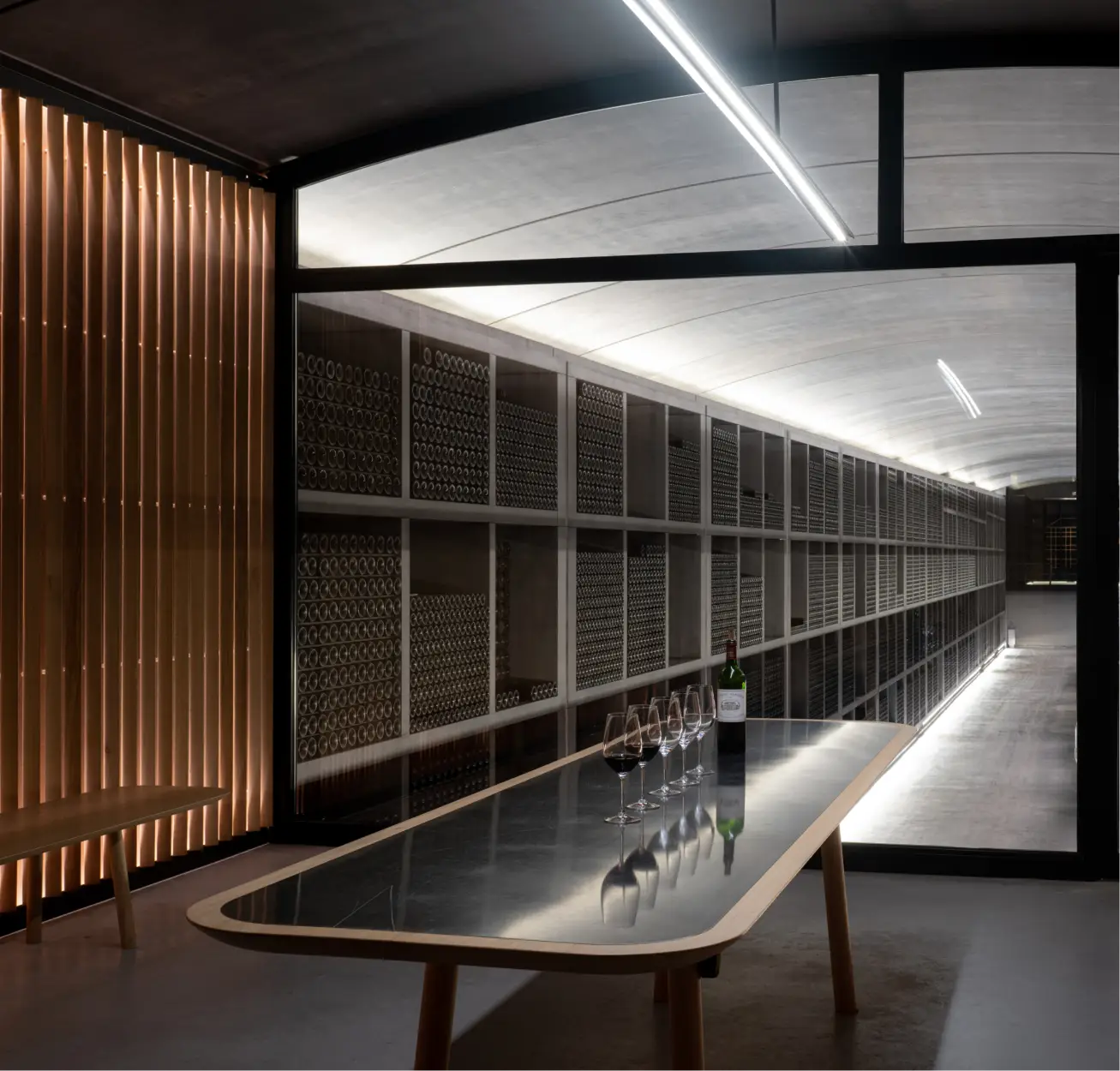
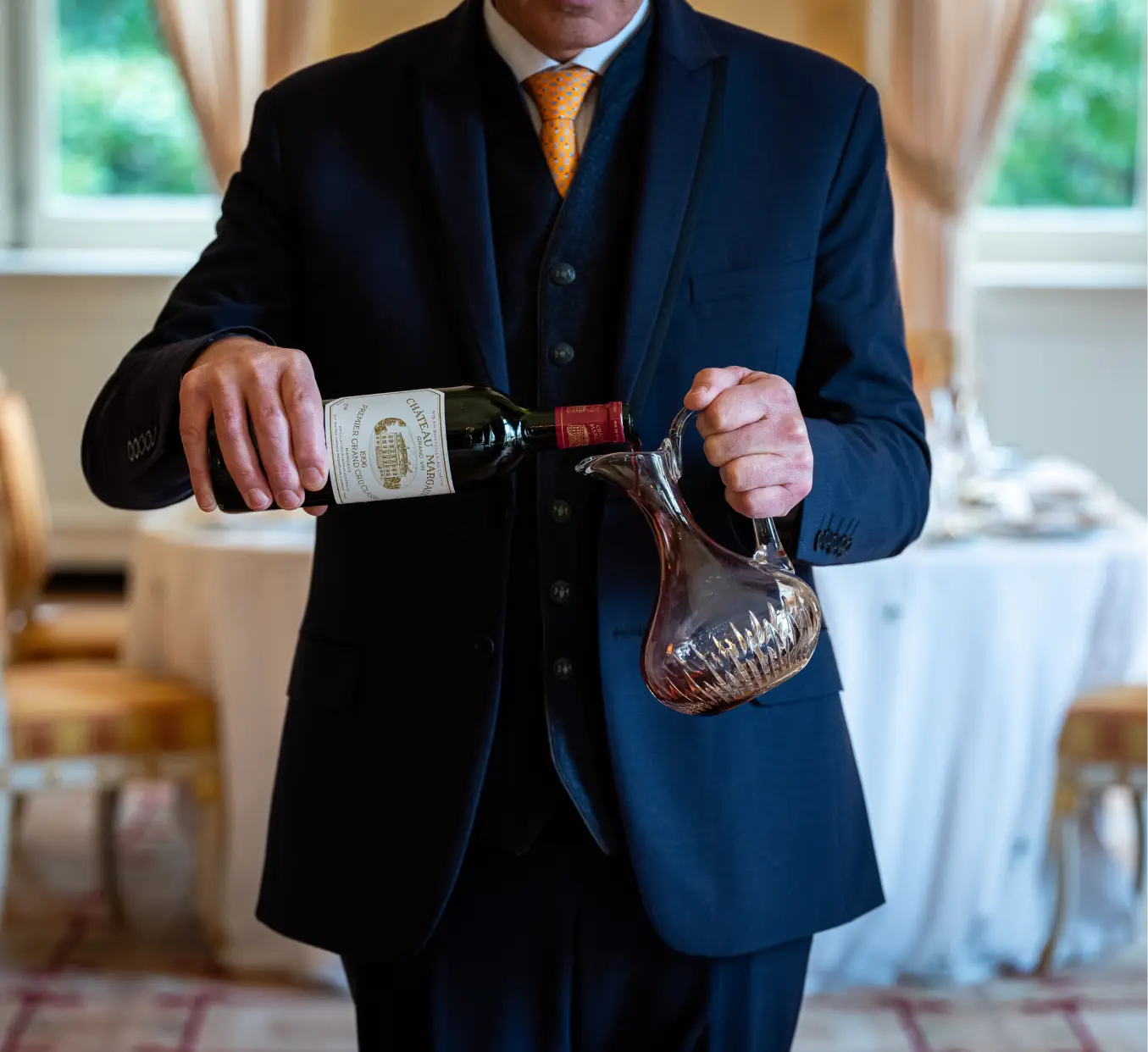
Service & tasting
Discover our tips for serving and tasting your wine in the best conditions.
Service & tasting
Discover our tips for serving and tasting your wine in the best conditions.