
2011
2011
2011

Never before had the Pavillon Rouge undergone such a strict selection: it only represents 28% of the harvest, with more than a third going into the third wine (Margaux du Château Margaux) and the fourth wine (a selection of discarded lots sold in bulk). This rigour is, of course, explained by the heterogeneity of the vintage—consequence of the drought and sunburn—and above all by our determination to overcome it. Thanks to this selection, Pavillon Rouge 2011 is closer than ever to the quality and style of the Grand Vin, and is not too far from 2010. The proportion of the main grape varieties remains much the same as last year: 65% cabernet sauvignon and 25% merlot. Only the petit verdot attained a historic level, 8%, as our plots replanted about fifteen years ago are at last beginning to produce excellent results. That leaves just 2% for the cabernet franc which was particularly successful in 2011. The analytical balance of Pavillon Rouge 2011 is absolutely classic: an alcohol content of 13% and a pH of 3.6. Only the quantity of tannins is really historic, the highest ever measured. It should therefore be kept for several more years before considering drinking it. (October 2025)
Climate
The wine-growing year started with a virtually summery climate, the months of April and May being a lot hotter and drier than normal. The start-up and growth of the vines was, therefore, very quick and flowering was particularly early. Following that, the months of June, July and August were rather cool, but not wet enough, especially at Margaux, to really change the drought status of the vineyard, a characteristic of the vintage. The 26th and 27th of June were hotter than we had ever seen: numerous bunches of grapes, ready to ripen, taking into account the precocity of the vintage, were subjected to intense heat which caused some damage, particularly in the not very vigorous cabernet sauvignon parcels. The dryness of the vineyard after three months of drought probably amplified this phenomenon, of which the consequences remain generally limited. The harvest, which started on the 25th August for the whites, and the 5th September for the reds, benefited from generally hot and dry weather, which allowed plenty of time for the various sorting operations made necessary by the problems of intense heat. Our only disappointment is the quantity: with a yield of 29hl/ha, the 2011 vintage is the smallest harvest for 20 years!
Never before had the Pavillon Rouge undergone such a strict selection: it only represents 28% of the harvest, with more than a third going into the third wine (Margaux du Château Margaux) and the fourth wine (a selection of discarded lots sold in bulk). This rigour is, of course, explained by the heterogeneity of the vintage—consequence of the drought and sunburn—and above all by our determination to overcome it. Thanks to this selection, Pavillon Rouge 2011 is closer than ever to the quality and style of the Grand Vin, and is not too far from 2010. The proportion of the main grape varieties remains much the same as last year: 65% cabernet sauvignon and 25% merlot. Only the petit verdot attained a historic level, 8%, as our plots replanted about fifteen years ago are at last beginning to produce excellent results. That leaves just 2% for the cabernet franc which was particularly successful in 2011. The analytical balance of Pavillon Rouge 2011 is absolutely classic: an alcohol content of 13% and a pH of 3.6. Only the quantity of tannins is really historic, the highest ever measured. It should therefore be kept for several more years before considering drinking it. (October 2025)
Climate
The wine-growing year started with a virtually summery climate, the months of April and May being a lot hotter and drier than normal. The start-up and growth of the vines was, therefore, very quick and flowering was particularly early. Following that, the months of June, July and August were rather cool, but not wet enough, especially at Margaux, to really change the drought status of the vineyard, a characteristic of the vintage. The 26th and 27th of June were hotter than we had ever seen: numerous bunches of grapes, ready to ripen, taking into account the precocity of the vintage, were subjected to intense heat which caused some damage, particularly in the not very vigorous cabernet sauvignon parcels. The dryness of the vineyard after three months of drought probably amplified this phenomenon, of which the consequences remain generally limited. The harvest, which started on the 25th August for the whites, and the 5th September for the reds, benefited from generally hot and dry weather, which allowed plenty of time for the various sorting operations made necessary by the problems of intense heat. Our only disappointment is the quantity: with a yield of 29hl/ha, the 2011 vintage is the smallest harvest for 20 years!
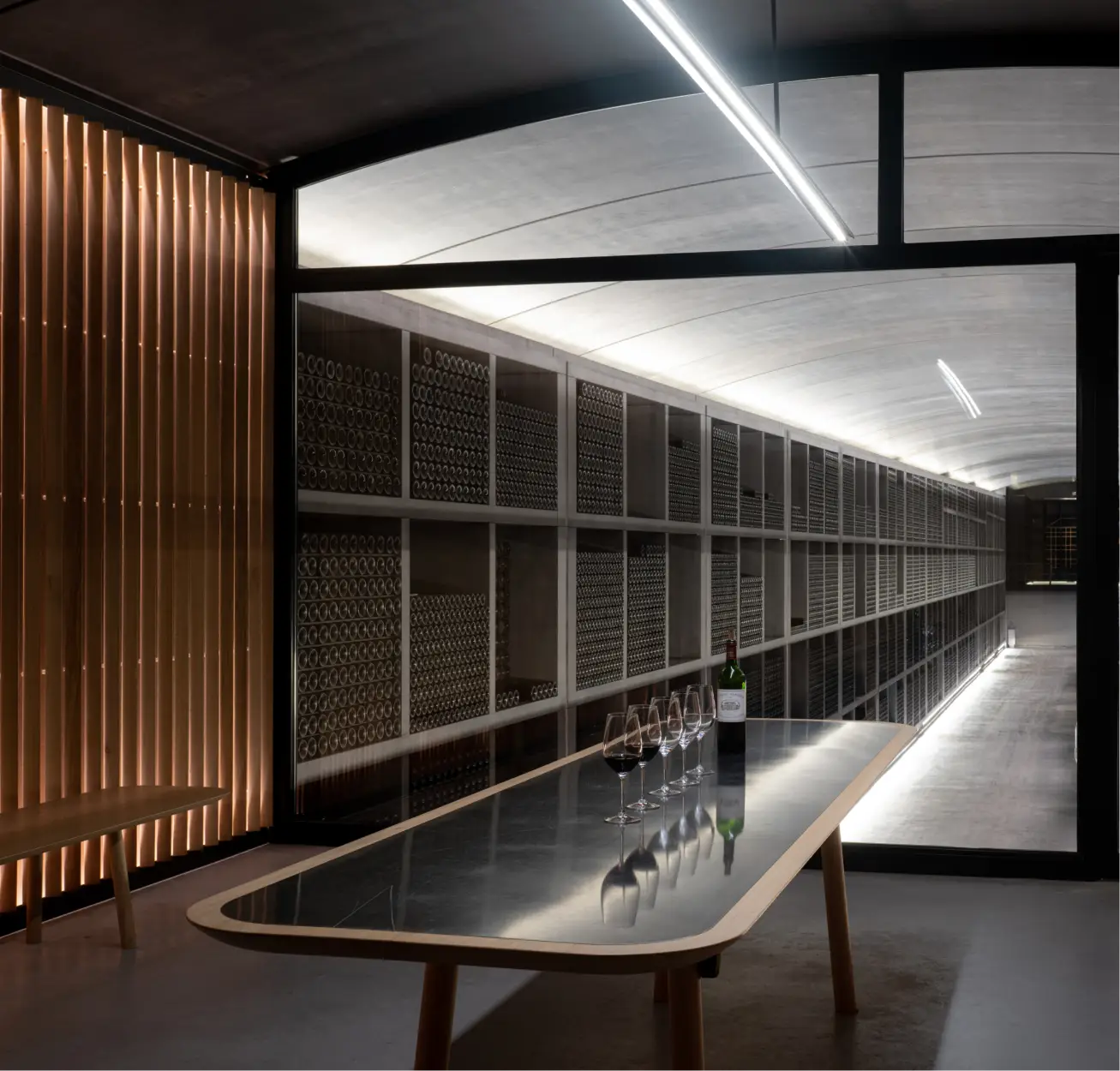
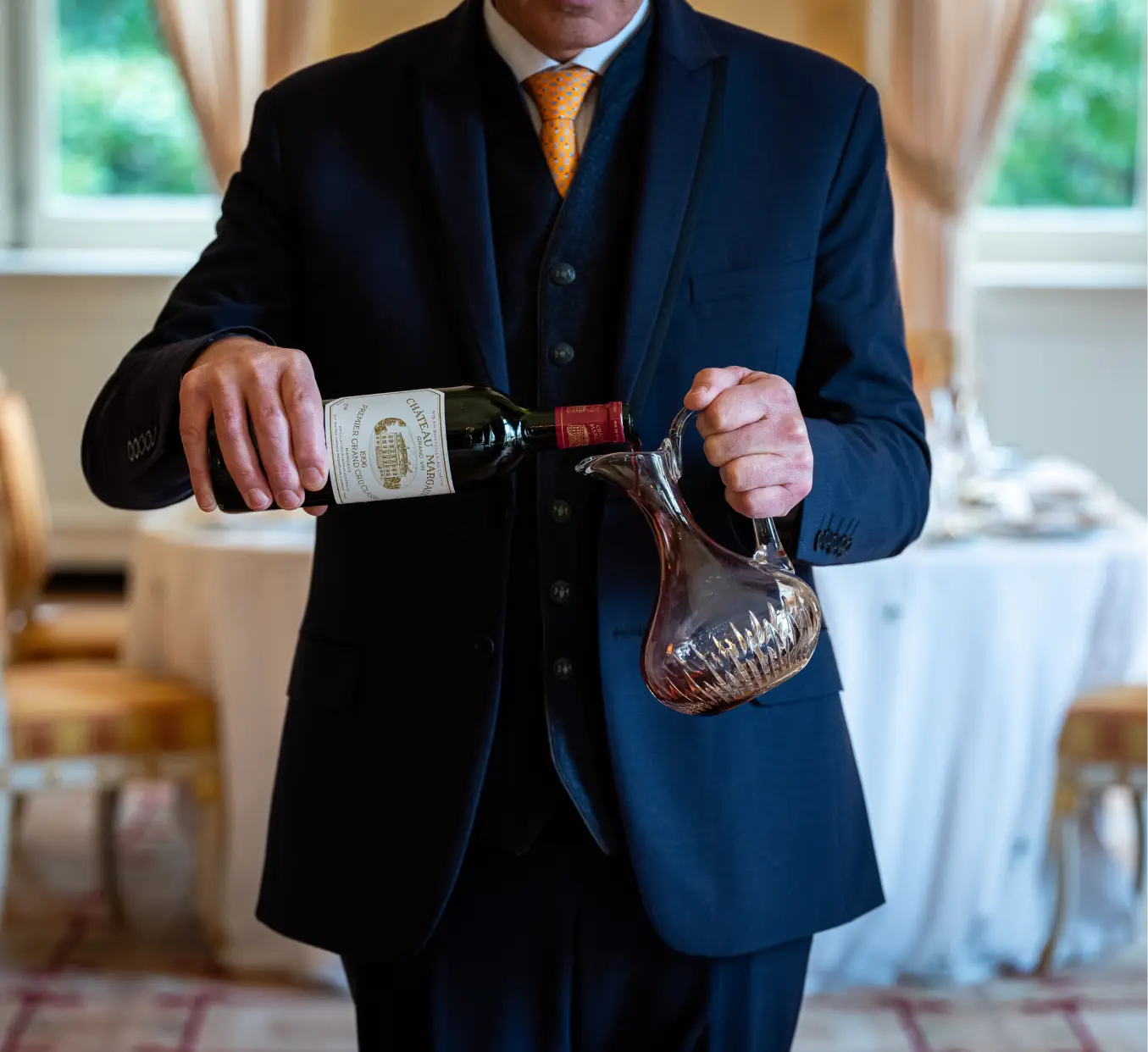
Service & tasting
Discover our tips for serving and tasting your wine in the best conditions.
Service & tasting
Discover our tips for serving and tasting your wine in the best conditions.