
2010
2010
2010
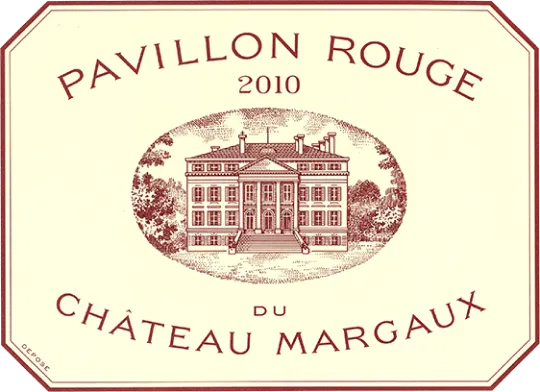
The harvest took place from September 23rd to October 15th, as in 2009. All the plots benefited from excellent weather conditions, though not all made the most of them: both the merlot and the cabernet planted in the clay-dominated soils reached high alcohol levels, which tended to affect their finesse rather than their balance. We brought them together in the Margaux du Château Margaux, our third wine, as well as in a fourth selection (sold in bulk) which together represent 24% of the harvest.
For the first time, Pavillon Rouge 2010, which makes up 38% of the crop, accounts for the same proportion as the Grand Vin.
This selection clearly illustrates our new level of expectation for the wine: it is no longer truly a second wine, but rather a different blend from the Grand Vin, with tannic power fully comparable.
66% cabernet sauvignon, 30% merlot, 4% petit verdot: these are practically the same proportions as in 2009, serving a quality perhaps even superior. Never before has Pavillon Rouge come so close to Château Margaux. Ideally, it should be kept for a few more years. (November 2025)
Climate
Winter was quite cold and dry, causing some delay in the budding. Mixed weather conditions in the spring made the flowering process uneven and caused a little coulure in some of the older Merlot plots. Yet, as always, the great terroirs appear to have set their own agenda and ignored the vagaries of the weather, enjoying a fast and homogenous flowering process with perfect results. Then again, the Cabernet Sauvignon, which is so well suited to these lands, is not very prone to coulure.
From the end of June until the last grapes were harvested in October, we experienced, once again, the type of drought typical of great Bordeaux vintages. Indeed, while on the one hand, the vines were spared any excess of water, thereby preventing unwanted foliage, they benefited from just enough moisture to favour ripening as well as enhance concentration in the grapes.
While the 2010 weather conditions were reminiscent of 2009 and 2005, vintages are never completely alike. The summer of 2010 was as dry as 2009, yet cooler. The absence of extreme heat combined with cool nights compensated for the drought and probably allowed some of the great terroirs’ young plants to reach a new quality threshold. It also favoured the aromatic character in all grape varieties, particularly in Sauvignon Blanc and Cabernet and enabled the maintenance of excellent acidity levels – the perfect foil for high levels of alcohol. (The picking began on 22nd September)
The harvest took place from September 23rd to October 15th, as in 2009. All the plots benefited from excellent weather conditions, though not all made the most of them: both the merlot and the cabernet planted in the clay-dominated soils reached high alcohol levels, which tended to affect their finesse rather than their balance. We brought them together in the Margaux du Château Margaux, our third wine, as well as in a fourth selection (sold in bulk) which together represent 24% of the harvest.
For the first time, Pavillon Rouge 2010, which makes up 38% of the crop, accounts for the same proportion as the Grand Vin.
This selection clearly illustrates our new level of expectation for the wine: it is no longer truly a second wine, but rather a different blend from the Grand Vin, with tannic power fully comparable.
66% cabernet sauvignon, 30% merlot, 4% petit verdot: these are practically the same proportions as in 2009, serving a quality perhaps even superior. Never before has Pavillon Rouge come so close to Château Margaux. Ideally, it should be kept for a few more years. (November 2025)
Climate
Winter was quite cold and dry, causing some delay in the budding. Mixed weather conditions in the spring made the flowering process uneven and caused a little coulure in some of the older Merlot plots. Yet, as always, the great terroirs appear to have set their own agenda and ignored the vagaries of the weather, enjoying a fast and homogenous flowering process with perfect results. Then again, the Cabernet Sauvignon, which is so well suited to these lands, is not very prone to coulure.
From the end of June until the last grapes were harvested in October, we experienced, once again, the type of drought typical of great Bordeaux vintages. Indeed, while on the one hand, the vines were spared any excess of water, thereby preventing unwanted foliage, they benefited from just enough moisture to favour ripening as well as enhance concentration in the grapes.
While the 2010 weather conditions were reminiscent of 2009 and 2005, vintages are never completely alike. The summer of 2010 was as dry as 2009, yet cooler. The absence of extreme heat combined with cool nights compensated for the drought and probably allowed some of the great terroirs’ young plants to reach a new quality threshold. It also favoured the aromatic character in all grape varieties, particularly in Sauvignon Blanc and Cabernet and enabled the maintenance of excellent acidity levels – the perfect foil for high levels of alcohol. (The picking began on 22nd September)
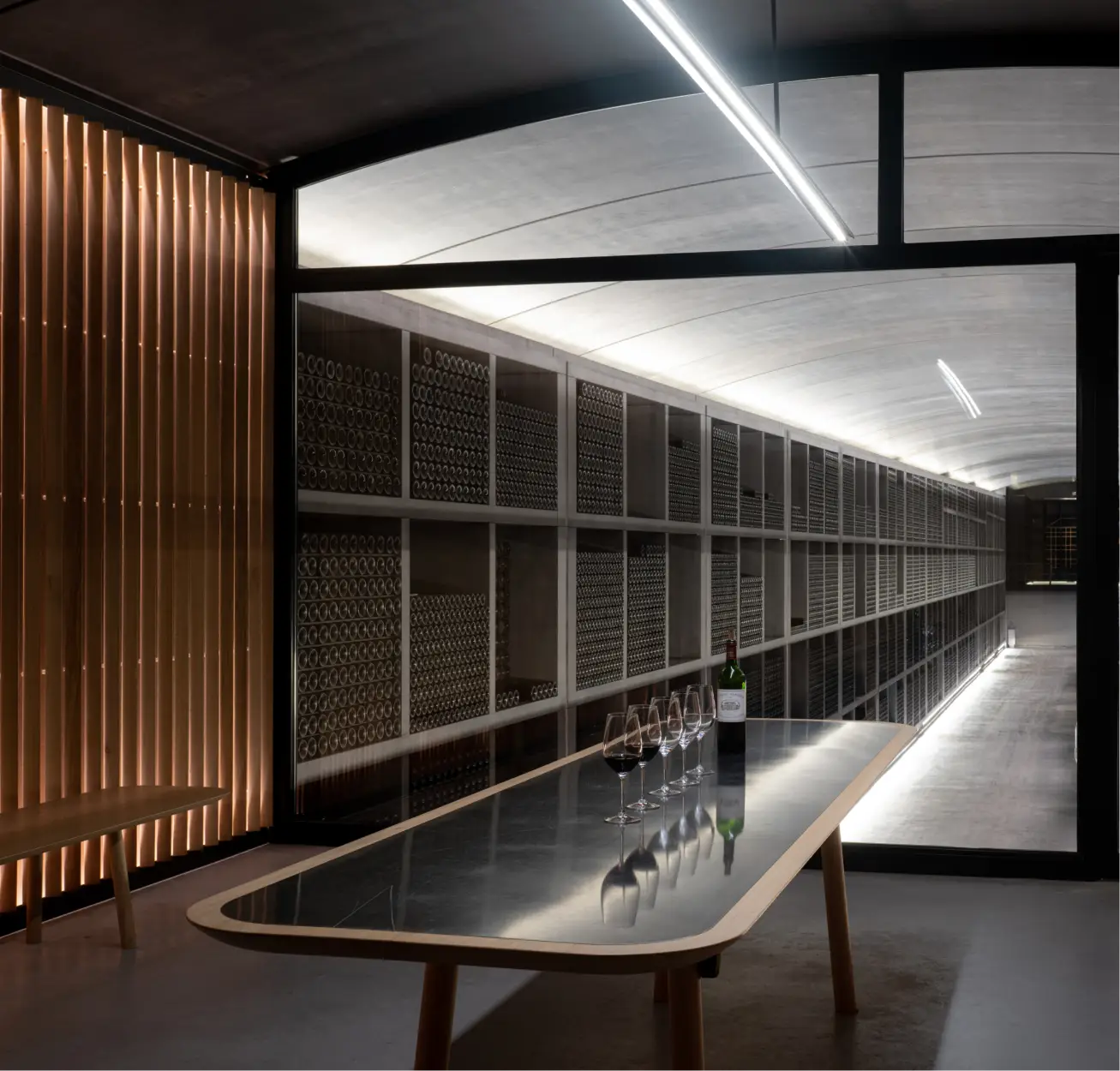
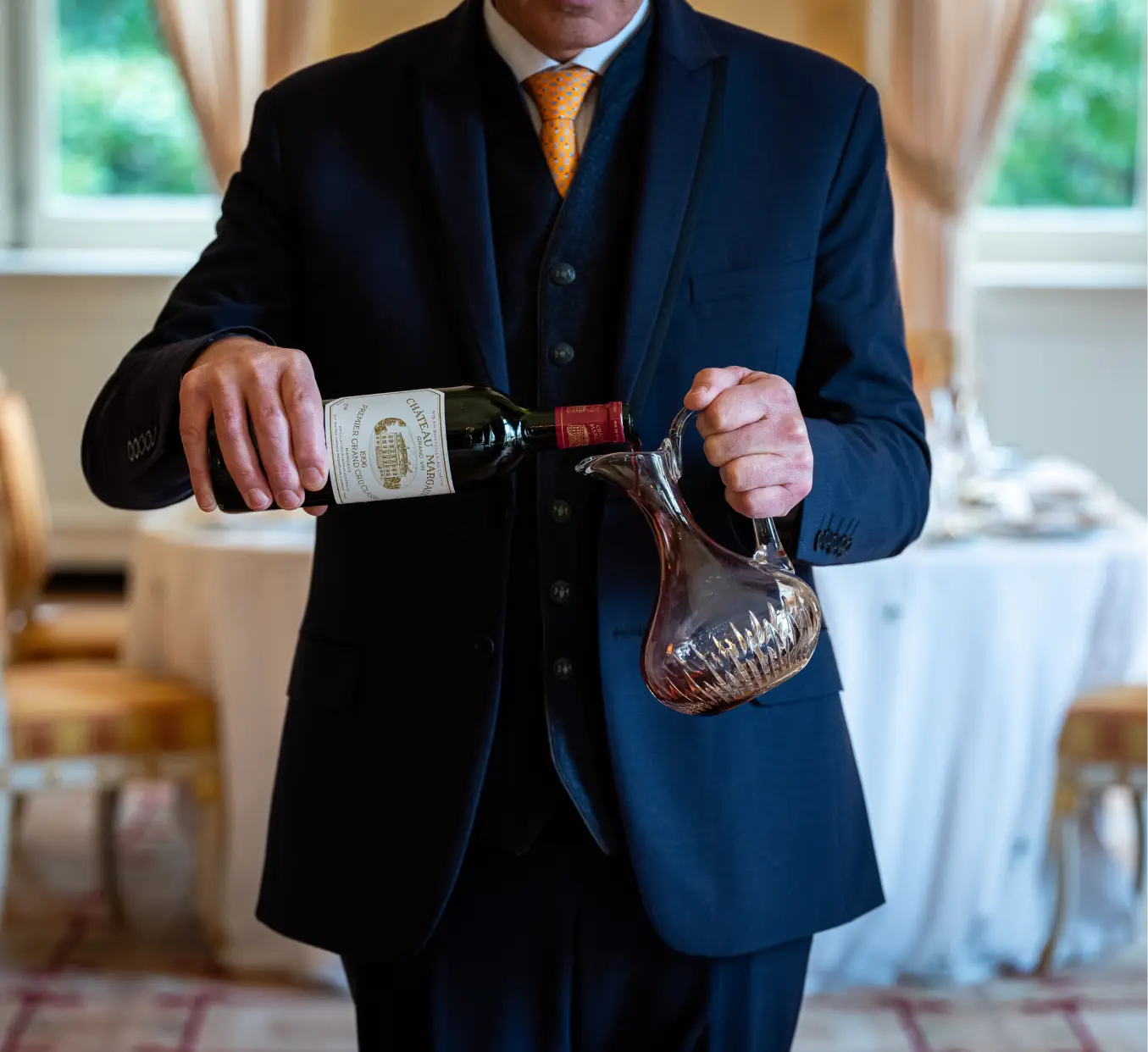
Service & tasting
Discover our tips for serving and tasting your wine in the best conditions.
Service & tasting
Discover our tips for serving and tasting your wine in the best conditions.