
2008
2008
2008
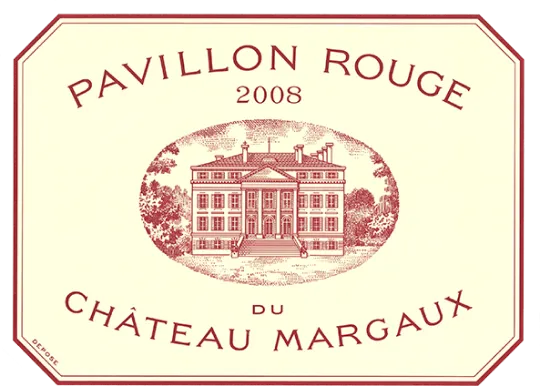
Surprisingly enough, the slow and late ripening of all the grapes did not have a major impact on the vintage. Only two or three merlot plots—always the same ones—were slightly affected, less from a lack of maturity than from excessive dilution; these particular terroirs meet our high standards only in great vintages. So it was above all out of discipline and a desire for excellence that we've excluded almost 17% of the harvest from our blends: third wine, last press wines, etc. Nearly 47% of the wines made it into the Pavillon Rouge blend, whose immediate balance clearly confirmed that the vintage was more homogeneous than we had imagined. The merlot, with a yield lower than that of the cabernet, makes up 26% of the blend and brings power, flesh and volume. The cabernet sauvignon represents 68% of the blend; it provides finesse, subtlety, density, and freshness. We often wonder what the contribution of the petit verdot to the blend might be. While not essential, it is probably beneficial because it brings both aromatic originality and tannic vigour; but it only represents 5% of the blend. That leaves just 1% for the cabernet franc whose role is difficult to assess, yet which we hesitate to discard out of prudence.
2008 is a very good vintage of Pavillon Rouge, similar to 2006 in terms of power and finesse, but perhaps a little more lively and also slightly more subtle. It develops a very aromatic nose and a soft, harmonious presence on the palate. It can therefore be opened now, though it would be a pity to hurry. (November 2025)
Climate
After quite a dry winter, spring was cool and damp; in fact it was so chilly at the beginning of April that we used our anti-frost sprays on April 7th at Virefougasse, our Sauvignon Blanc plot. May was particularly wet, which heightened the risk of downy mildew at a time when the vines were most vulnerable, so that for the second year in a row, we had to carefully monitor the health of the vines. Nevertheless we continued our research on alternative solutions to chemical sprays; the conditions provided us with an ideal opportunity to do so. The flowering began at the very beginning of June, right on the normal date, although it was partly affected by heavy rains, which were no doubt responsible for the coulure and millerandage observed in some of the Merlot plots. Also, the vines showed fewer potential grapes than last year, so we knew that we were in for a smaller crop. The weather was cool throughout the summer, with temperatures around two degrees below average in July, August and September. July, however, was very dry with barely 10 mm (0.4 of an inch) of rain, whereas in August and up till September 15th, it rained regularly. This chilly and humid weather slowed the colour transformation of the grapes and their ripening process while it gradually affected our spirits…
Surprisingly enough, the slow and late ripening of all the grapes did not have a major impact on the vintage. Only two or three merlot plots—always the same ones—were slightly affected, less from a lack of maturity than from excessive dilution; these particular terroirs meet our high standards only in great vintages. So it was above all out of discipline and a desire for excellence that we've excluded almost 17% of the harvest from our blends: third wine, last press wines, etc. Nearly 47% of the wines made it into the Pavillon Rouge blend, whose immediate balance clearly confirmed that the vintage was more homogeneous than we had imagined. The merlot, with a yield lower than that of the cabernet, makes up 26% of the blend and brings power, flesh and volume. The cabernet sauvignon represents 68% of the blend; it provides finesse, subtlety, density, and freshness. We often wonder what the contribution of the petit verdot to the blend might be. While not essential, it is probably beneficial because it brings both aromatic originality and tannic vigour; but it only represents 5% of the blend. That leaves just 1% for the cabernet franc whose role is difficult to assess, yet which we hesitate to discard out of prudence.
2008 is a very good vintage of Pavillon Rouge, similar to 2006 in terms of power and finesse, but perhaps a little more lively and also slightly more subtle. It develops a very aromatic nose and a soft, harmonious presence on the palate. It can therefore be opened now, though it would be a pity to hurry. (November 2025)
Climate
After quite a dry winter, spring was cool and damp; in fact it was so chilly at the beginning of April that we used our anti-frost sprays on April 7th at Virefougasse, our Sauvignon Blanc plot. May was particularly wet, which heightened the risk of downy mildew at a time when the vines were most vulnerable, so that for the second year in a row, we had to carefully monitor the health of the vines. Nevertheless we continued our research on alternative solutions to chemical sprays; the conditions provided us with an ideal opportunity to do so. The flowering began at the very beginning of June, right on the normal date, although it was partly affected by heavy rains, which were no doubt responsible for the coulure and millerandage observed in some of the Merlot plots. Also, the vines showed fewer potential grapes than last year, so we knew that we were in for a smaller crop. The weather was cool throughout the summer, with temperatures around two degrees below average in July, August and September. July, however, was very dry with barely 10 mm (0.4 of an inch) of rain, whereas in August and up till September 15th, it rained regularly. This chilly and humid weather slowed the colour transformation of the grapes and their ripening process while it gradually affected our spirits…
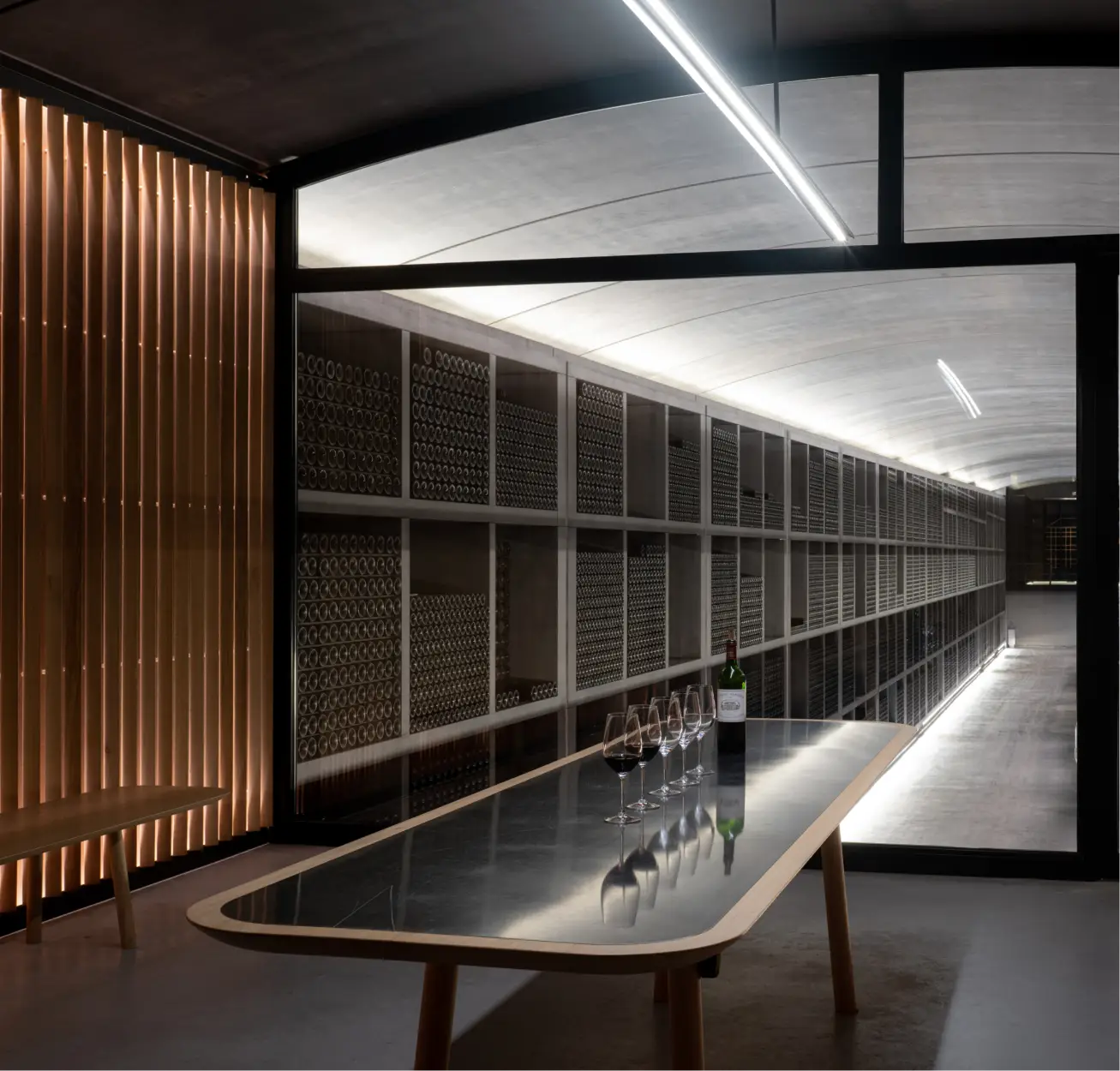
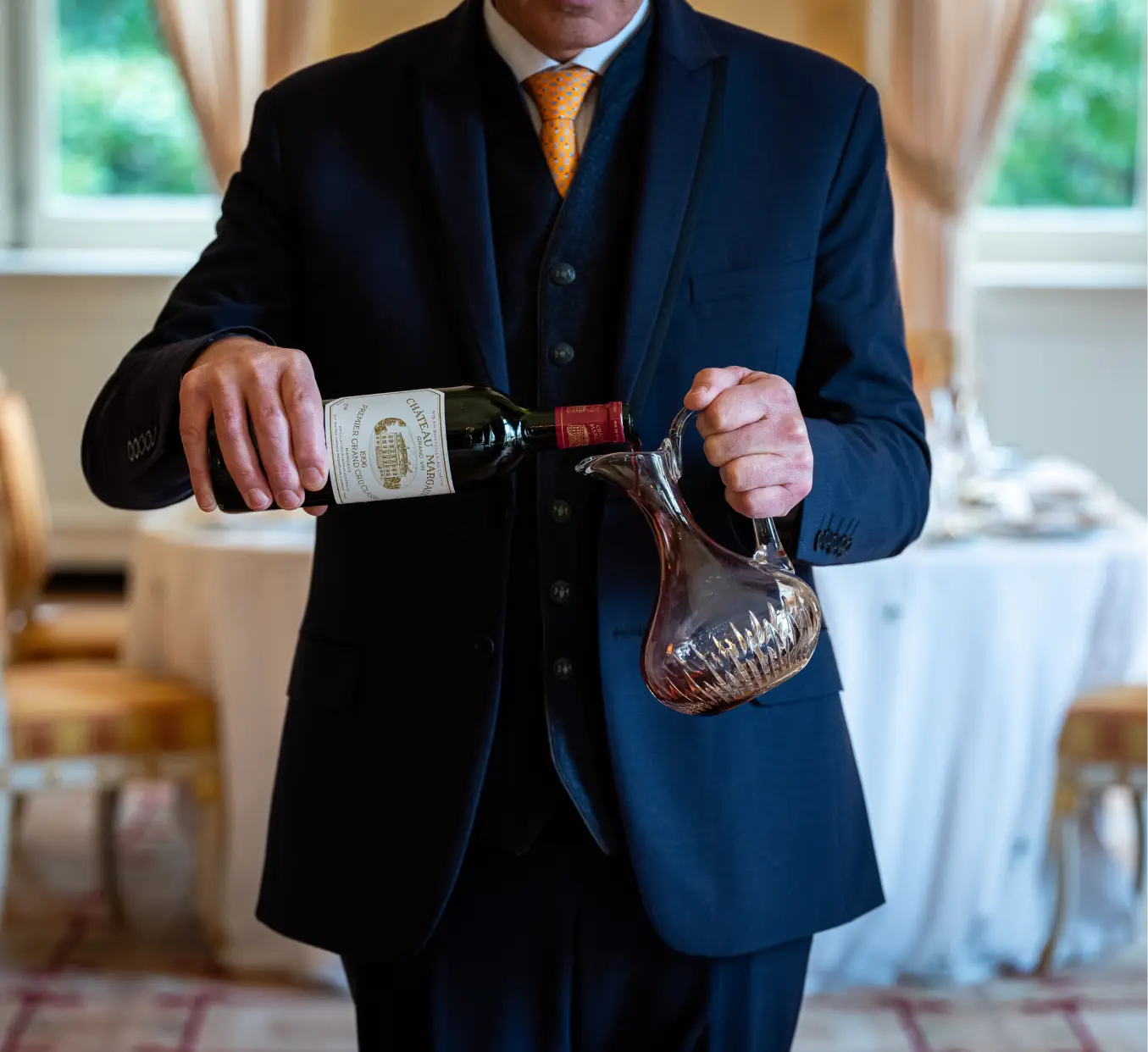
Service & tasting
Discover our tips for serving and tasting your wine in the best conditions.
Service & tasting
Discover our tips for serving and tasting your wine in the best conditions.