
2017
2017
2017

Despite the intense cold snap (a low of -6°C/21.2°F on the night of April 27th), our plots of sauvignon blanc were completely saved thanks to our frost-protection sprinkler system.
The precocity of sauvignon blanc (harvested between August 28th and September 5th) allowed it to avoid the end-of-the-season rains. The sanitary condition of the grapes was perfect, and the summer weather enabled them to ripen under the best possible conditions. The sugars concentrated while retaining the acid potential necessary for the balance of a great white wine.
We drew the very best from our Virefougasse plots to craft a wine with complex aromas, a round entry on the palate, and an endless finish carried by delicate notes of citrus and white flowers. This vintage also marks two important developments: the adoption of Diam technical corks, ensuring greater consistency in ageing, and the switch to a darker glass bottle, offering enhanced protection from light. It can already be enjoyed, although ideally it should be given a little more time. (November 2025)
Climate
After a relatively dry 2016, the first months of 2017 brought the necessary precipitation to keep the water table balanced. Winter temperatures weren’t particularly cold. The vines budded around April 4th, but we weren’t wary enough of the spring-like temperatures and a frost on the nights of April 27th and 28th served as a reminder that, above all, winegrowers are dependent on nature. The choice location of our vineyard plots allowed us to limit frost damage: only 10% of our red vines were affected.
In the whole growth cycle, only the last week of June saw heavy rainfall. The vines had already flowered between May 25th and 30th in the most favorable conditions for efficient, homogeneous pollination. Summer 2017 more or less resembled summer 2016: warm and very dry through July and August. Light rainfall in early September was the only thing that disrupted a rare opportunity to produce a third great vintage after 2015 and 2016; we had just harvested our white grapes when heavy precipitation dashed our hopes of a truly standout year.
We then had to make a crucial decision: to harvest quickly grapes that were not yet ripe enough for fear that Botrytis would ruin them, or wait for the sun’s return and harvest riper, more concentrated grapes later in September. In keeping with our high standards of quality and reassured by optimistic weather forecasts, we chose the latter and harvested the reds between September 12th and October 3rd in exceptionally fine weather conditions.
Despite the intense cold snap (a low of -6°C/21.2°F on the night of April 27th), our plots of sauvignon blanc were completely saved thanks to our frost-protection sprinkler system.
The precocity of sauvignon blanc (harvested between August 28th and September 5th) allowed it to avoid the end-of-the-season rains. The sanitary condition of the grapes was perfect, and the summer weather enabled them to ripen under the best possible conditions. The sugars concentrated while retaining the acid potential necessary for the balance of a great white wine.
We drew the very best from our Virefougasse plots to craft a wine with complex aromas, a round entry on the palate, and an endless finish carried by delicate notes of citrus and white flowers. This vintage also marks two important developments: the adoption of Diam technical corks, ensuring greater consistency in ageing, and the switch to a darker glass bottle, offering enhanced protection from light. It can already be enjoyed, although ideally it should be given a little more time. (November 2025)
Climate
After a relatively dry 2016, the first months of 2017 brought the necessary precipitation to keep the water table balanced. Winter temperatures weren’t particularly cold. The vines budded around April 4th, but we weren’t wary enough of the spring-like temperatures and a frost on the nights of April 27th and 28th served as a reminder that, above all, winegrowers are dependent on nature. The choice location of our vineyard plots allowed us to limit frost damage: only 10% of our red vines were affected.
In the whole growth cycle, only the last week of June saw heavy rainfall. The vines had already flowered between May 25th and 30th in the most favorable conditions for efficient, homogeneous pollination. Summer 2017 more or less resembled summer 2016: warm and very dry through July and August. Light rainfall in early September was the only thing that disrupted a rare opportunity to produce a third great vintage after 2015 and 2016; we had just harvested our white grapes when heavy precipitation dashed our hopes of a truly standout year.
We then had to make a crucial decision: to harvest quickly grapes that were not yet ripe enough for fear that Botrytis would ruin them, or wait for the sun’s return and harvest riper, more concentrated grapes later in September. In keeping with our high standards of quality and reassured by optimistic weather forecasts, we chose the latter and harvested the reds between September 12th and October 3rd in exceptionally fine weather conditions.
Service & tasting
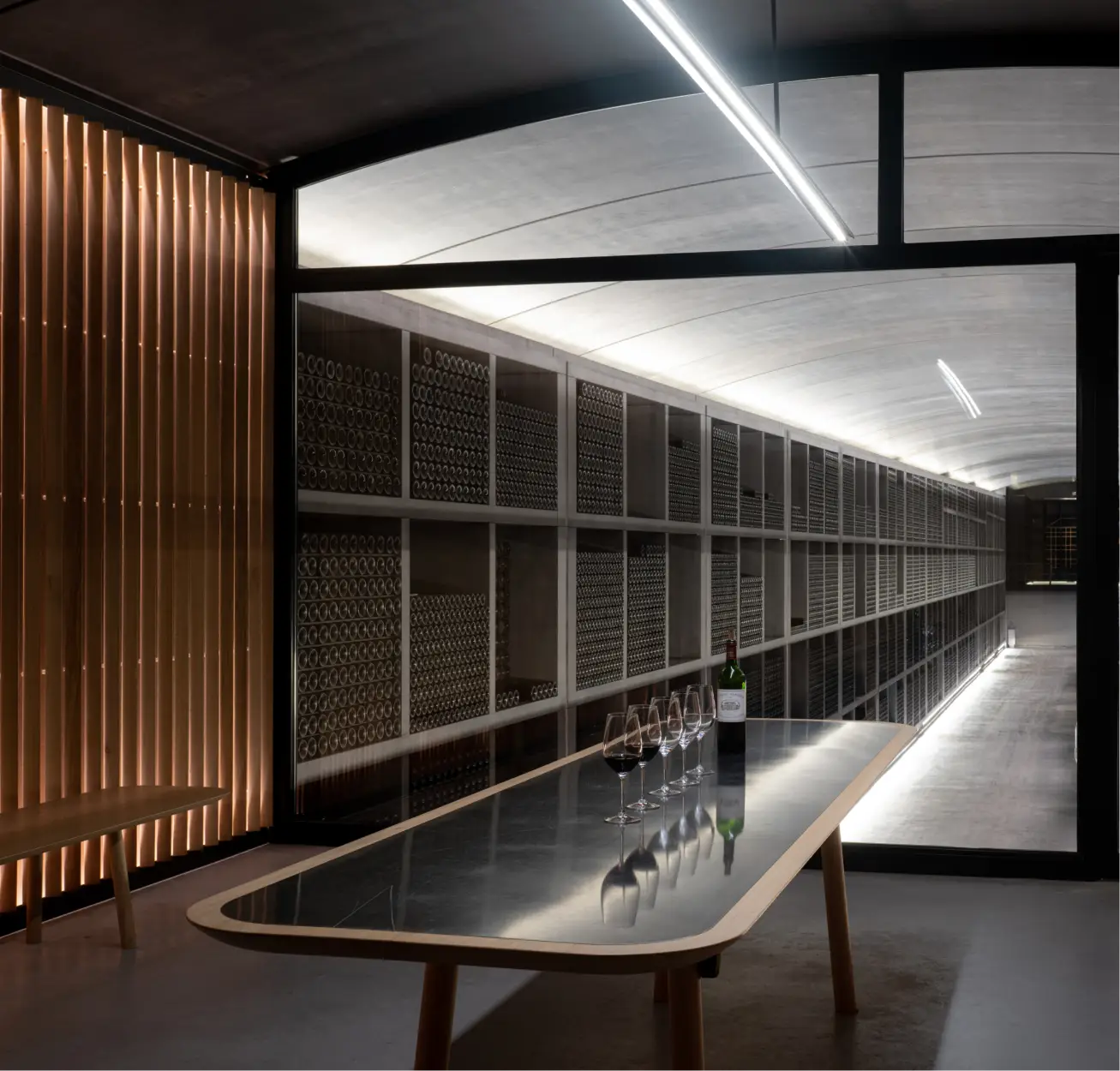
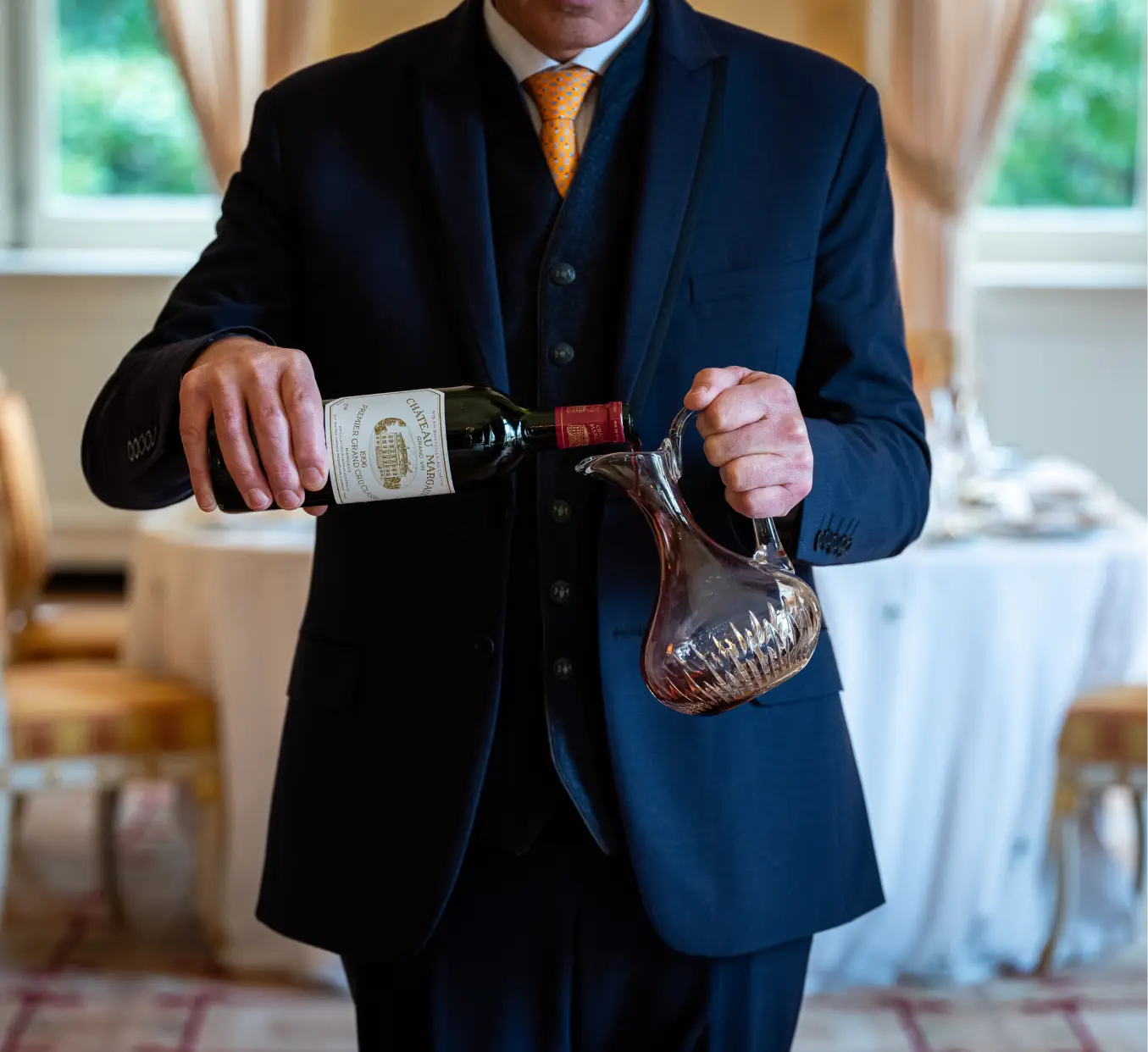
Discover our tips for serving and tasting your wine in the best conditions.
Service & tasting
Discover our tips for serving and tasting your wine in the best conditions.