
2013
2013
2013

The early-ripening of the sauvignon blanc (the harvest took place between September 10th and 14th) saved it from the end-of-season rains. However, the difficult start to the summer, which was quite wet until July 15th, affected its vegetative cycle more than the later ripening red varietals. The very dry conditions, which prevailed afterwards, were perfect for the ripening and harvest but didn’t allow the grapes to reach the same level of concentration as in 2011. Only the oldest vines and the best plots really stood out and achieved a high level of quality. It was therefore necessary for us to be even more rigorous than usual in our selection: barely a third of the harvest went into Pavillon Blanc. As a result, even though the quality is not quite up to that of 2011, it is still excellent. The 2012 is aromatic, complex, fresh and very well balanced. It is ready to drink, but there is no hurry. (October 2025)
Climate
The particularly cool temperatures at the end of winter and into spring delayed the shooting and then the flowering by a good ten days compared to the average. And as it also rained a lot during this period, the flowering was slow and the formation of the grapes difficult which caused a generalised “millerandage” and a bad problem of “coulure” - falling of underdeveloped fruit - in the Merlots. This latter phenomenon turned out to be more moderate for the Cabernets. Straightaway, we knew that the 2013 vintage wouldn’t be plentiful…
Fortunately, the summer drought enabled the grapes to catch up some of their lateness: at the moment of changing colour, we didn’t find the same heterogeneity as at the moment of flowering. It is also possible that their low quantity accentuated the catching up. At the beginning of September hope was growing for a harvest, certainly small, but that seemed to be ripening under excellent conditions.
September was paradoxical, relatively dry, but damp at the same time. Frequent small bursts of rain, in fact, maintained a raised ambient humidity without causing too much precipitation. So there was everything to play for until the end of the month when a sudden development of Botrytis led us to a quick start of the harvest ; in the end, the grapes would lose just a few days’ ripening, enough to dash the hopes of a great vintage, not enough to take away all its promises.
The harvest of the whites took place from the 19th to the 27th of September, and that of the reds, from the 30th of September to the 11th of October.
The early-ripening of the sauvignon blanc (the harvest took place between September 10th and 14th) saved it from the end-of-season rains. However, the difficult start to the summer, which was quite wet until July 15th, affected its vegetative cycle more than the later ripening red varietals. The very dry conditions, which prevailed afterwards, were perfect for the ripening and harvest but didn’t allow the grapes to reach the same level of concentration as in 2011. Only the oldest vines and the best plots really stood out and achieved a high level of quality. It was therefore necessary for us to be even more rigorous than usual in our selection: barely a third of the harvest went into Pavillon Blanc. As a result, even though the quality is not quite up to that of 2011, it is still excellent. The 2012 is aromatic, complex, fresh and very well balanced. It is ready to drink, but there is no hurry. (October 2025)
Climate
The particularly cool temperatures at the end of winter and into spring delayed the shooting and then the flowering by a good ten days compared to the average. And as it also rained a lot during this period, the flowering was slow and the formation of the grapes difficult which caused a generalised “millerandage” and a bad problem of “coulure” - falling of underdeveloped fruit - in the Merlots. This latter phenomenon turned out to be more moderate for the Cabernets. Straightaway, we knew that the 2013 vintage wouldn’t be plentiful…
Fortunately, the summer drought enabled the grapes to catch up some of their lateness: at the moment of changing colour, we didn’t find the same heterogeneity as at the moment of flowering. It is also possible that their low quantity accentuated the catching up. At the beginning of September hope was growing for a harvest, certainly small, but that seemed to be ripening under excellent conditions.
September was paradoxical, relatively dry, but damp at the same time. Frequent small bursts of rain, in fact, maintained a raised ambient humidity without causing too much precipitation. So there was everything to play for until the end of the month when a sudden development of Botrytis led us to a quick start of the harvest ; in the end, the grapes would lose just a few days’ ripening, enough to dash the hopes of a great vintage, not enough to take away all its promises.
The harvest of the whites took place from the 19th to the 27th of September, and that of the reds, from the 30th of September to the 11th of October.
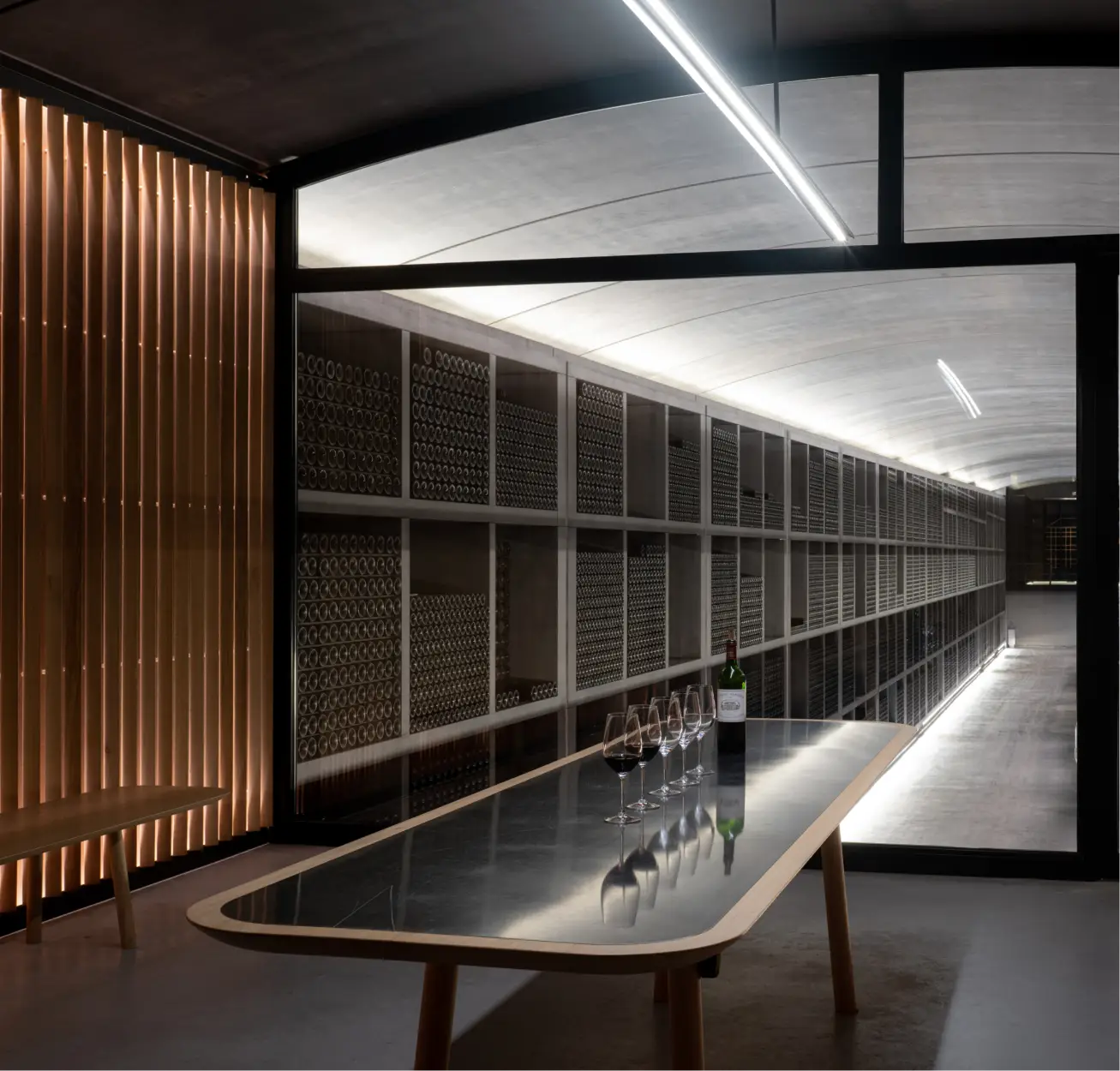
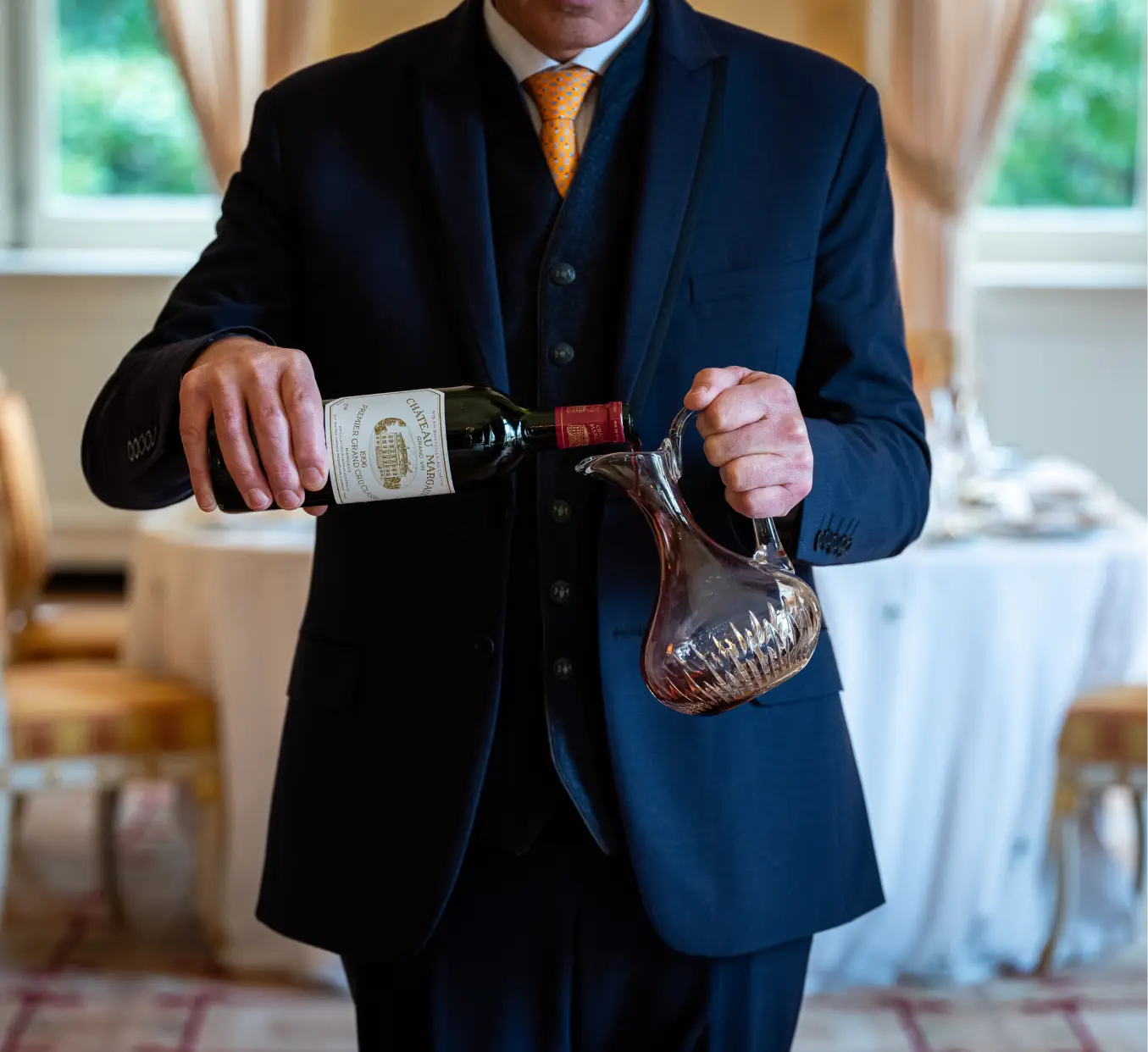
Service & tasting
Discover our tips for serving and tasting your wine in the best conditions.
Service & tasting
Discover our tips for serving and tasting your wine in the best conditions.