
2008
2008
2008
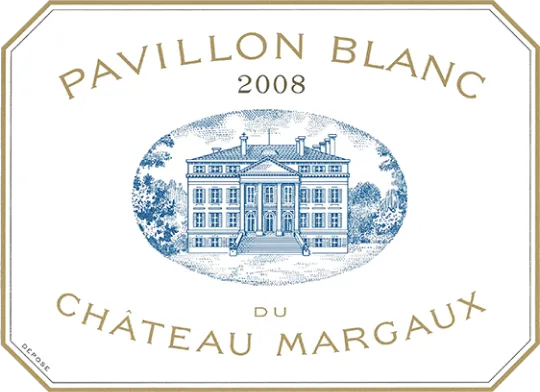
As in 2006 and 2007, the cool and humid weather conditions worked in our favour to the benefit of sauvignon blanc’s aromatic expression; but the fine weather arrived too late and didn't allow the grapes to reach the same record levels of concentration, despite the low yield of 25 hl/ha. The three sortings we did in each of our plots resulted in an average alcohol level of over 14%, one degree less than in 2006 and, of course, 2007. Nor did that short spell of fine weather enable all the plots to achieve perfect ripeness. Subtle differences could easily be noticed between different terroirs and between younger and older vines, even though the vineyards seem quite homogeneous at first glance. Only at first glance, of course… So we had to carry out a drastic selection, keeping only 45% of the crop! 2008 will therefore be the smallest vintage we have ever produced. Such severe measures have allowed us to produce a wine that is close in quality to the previous vintages. Although less powerful than the 2007, the 2008 is fresher and perhaps more balanced. It has incomparable finesse, subtlety and aromatic complexity, proof of the perfect ripeness of the grapes we brought in. Great terroirs usually express their true personality in such borderline conditions. It has probably reached its peak today. (November 2025)
Climate
After quite a dry winter, spring was cool and damp; in fact it was so chilly at the beginning of April that we used our anti-frost sprays on April 7th at Virefougasse, our Sauvignon Blanc plot. May was particularly wet, which heightened the risk of downy mildew at a time when the vines were most vulnerable, so that for the second year in a row, we had to carefully monitor the health of the vines. Nevertheless we continued our research on alternative solutions to chemical sprays; the conditions provided us with an ideal opportunity to do so. The flowering began at the very beginning of June, right on the normal date, although it was partly affected by heavy rains, which were no doubt responsible for the coulure and millerandage observed in some of the Merlot plots. Also, the vines showed fewer potential grapes than last year, so we knew that we were in for a smaller crop. The weather was cool throughout the summer, with temperatures around two degrees below average in July, August and September. July, however, was very dry with barely 10 mm (0.4 of an inch) of rain, whereas in August and up till September 15th, it rained regularly. This chilly and humid weather slowed the colour transformation of the grapes and their ripening process while it gradually affected our spirits…
As in 2006 and 2007, the cool and humid weather conditions worked in our favour to the benefit of sauvignon blanc’s aromatic expression; but the fine weather arrived too late and didn't allow the grapes to reach the same record levels of concentration, despite the low yield of 25 hl/ha. The three sortings we did in each of our plots resulted in an average alcohol level of over 14%, one degree less than in 2006 and, of course, 2007. Nor did that short spell of fine weather enable all the plots to achieve perfect ripeness. Subtle differences could easily be noticed between different terroirs and between younger and older vines, even though the vineyards seem quite homogeneous at first glance. Only at first glance, of course… So we had to carry out a drastic selection, keeping only 45% of the crop! 2008 will therefore be the smallest vintage we have ever produced. Such severe measures have allowed us to produce a wine that is close in quality to the previous vintages. Although less powerful than the 2007, the 2008 is fresher and perhaps more balanced. It has incomparable finesse, subtlety and aromatic complexity, proof of the perfect ripeness of the grapes we brought in. Great terroirs usually express their true personality in such borderline conditions. It has probably reached its peak today. (November 2025)
Climate
After quite a dry winter, spring was cool and damp; in fact it was so chilly at the beginning of April that we used our anti-frost sprays on April 7th at Virefougasse, our Sauvignon Blanc plot. May was particularly wet, which heightened the risk of downy mildew at a time when the vines were most vulnerable, so that for the second year in a row, we had to carefully monitor the health of the vines. Nevertheless we continued our research on alternative solutions to chemical sprays; the conditions provided us with an ideal opportunity to do so. The flowering began at the very beginning of June, right on the normal date, although it was partly affected by heavy rains, which were no doubt responsible for the coulure and millerandage observed in some of the Merlot plots. Also, the vines showed fewer potential grapes than last year, so we knew that we were in for a smaller crop. The weather was cool throughout the summer, with temperatures around two degrees below average in July, August and September. July, however, was very dry with barely 10 mm (0.4 of an inch) of rain, whereas in August and up till September 15th, it rained regularly. This chilly and humid weather slowed the colour transformation of the grapes and their ripening process while it gradually affected our spirits…
Service & tasting
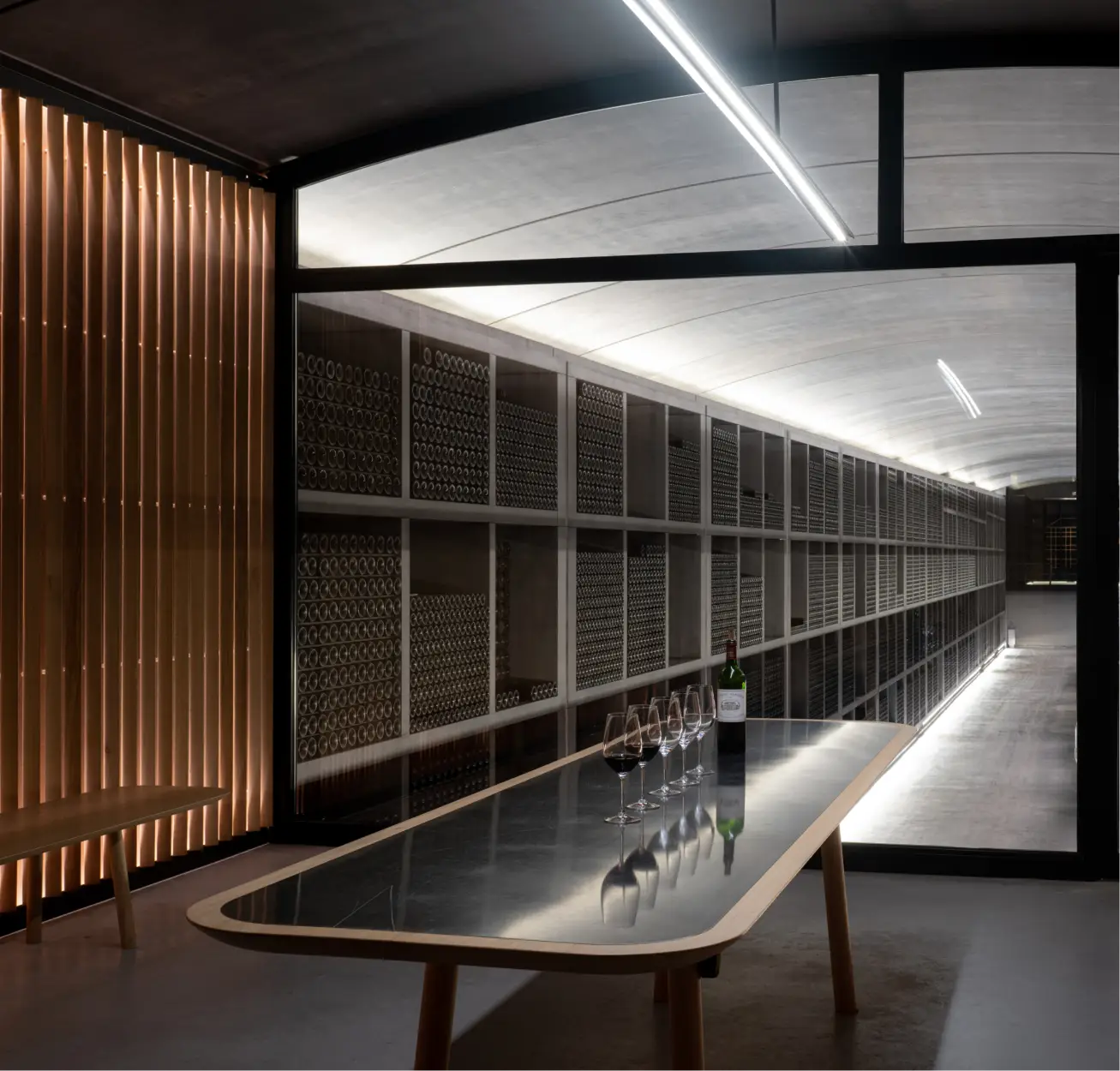
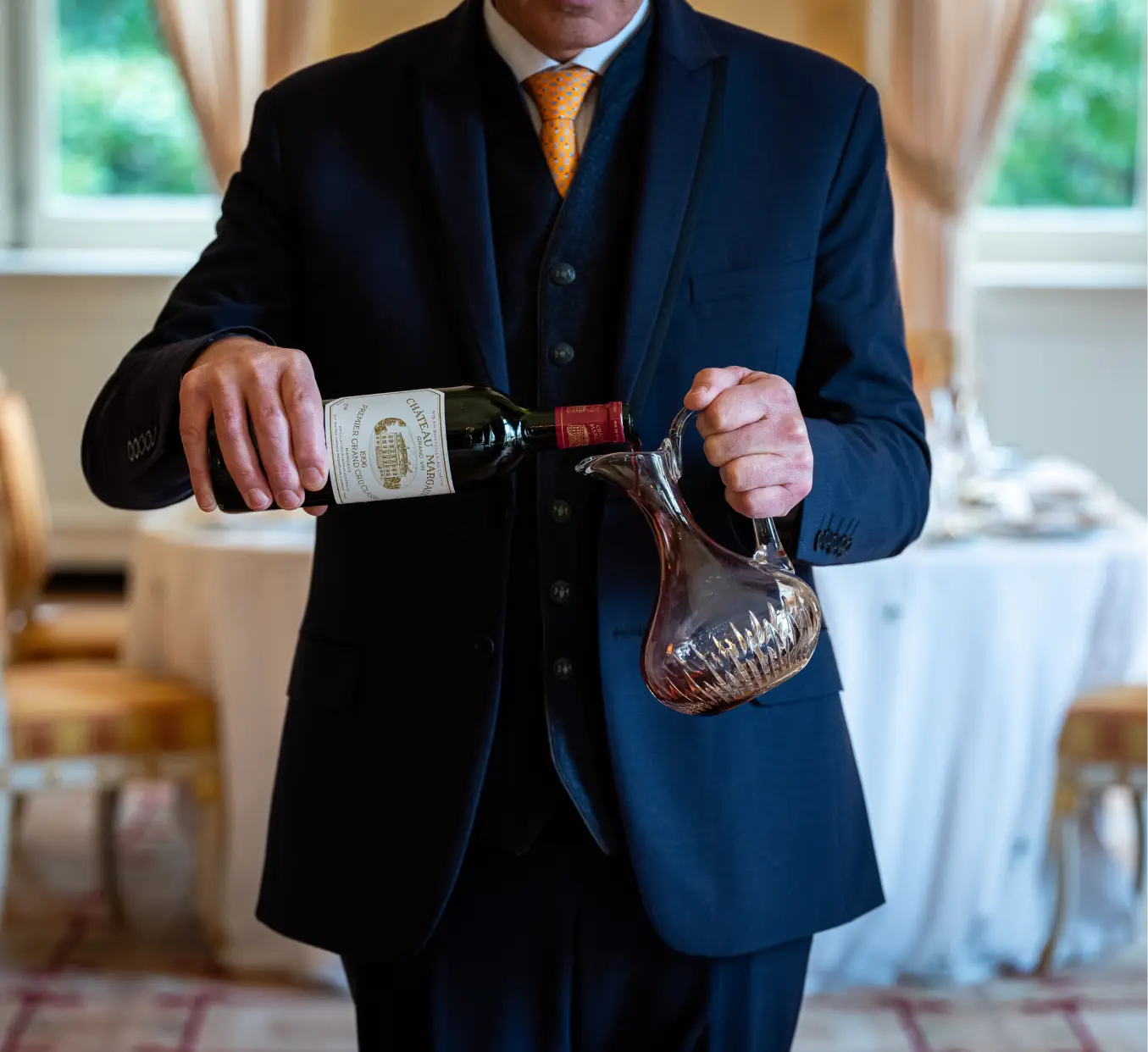
Discover our tips for serving and tasting your wine in the best conditions.
Service & tasting
Discover our tips for serving and tasting your wine in the best conditions.