
2017
2017
2017

The quality of Château Margaux 2017 comes close to its illustrious predecessors without claiming to rival the generosity of 2015 or the elegance of 2016. However, it is in line with the great vintages produced at the estate: it is deep, complex, intense and long. In some respects, it even exceeds our expectations after the September rains and demonstrates once again to what extent great terroirs are capable of adapting and transmitting all their best qualities into the wine.
The first tastings in the winemaking process offered a moment of astonishment. The merlot batches are remarkable: fruity and soft aromas, a roundness on the palate and rich volume allowed them to account for 8% of the Grand Vin. Cabernet sauvignon has always formed the heart and backbone of Château Margaux, accounting for 89% of the blend. Upon tasting, the tannins were perfectly ripe, which reassured us that our decision to wait a few more days before harvesting was the right choice. The wine’s structure remains a rare combination of power and refinement. Cabernet franc (2%) and petit verdot (1%) complete the blend. Château Margaux represents 37% of the harvest. It is best to wait patiently, even though it already offers great pleasure. (February 2025)
Climate
After a relatively dry 2016, the first months of 2017 brought the necessary precipitation to keep the water table balanced. Winter temperatures weren’t particularly cold. The vines budded around April 4th, but we weren’t wary enough of the spring-like temperatures and a frost on the nights of April 27th and 28th served as a reminder that, above all, winegrowers are dependent on nature. The choice location of our vineyard plots allowed us to limit frost damage: only 10% of our red vines were affected.
In the whole growth cycle, only the last week of June saw heavy rainfall. The vines had already flowered between May 25th and 30th in the most favorable conditions for efficient, homogeneous pollination. Summer 2017 more or less resembled summer 2016: warm and very dry through July and August. Light rainfall in early September was the only thing that disrupted a rare opportunity to produce a third great vintage after 2015 and 2016; we had just harvested our white grapes when heavy precipitation dashed our hopes of a truly standout year.
We then had to make a crucial decision: to harvest quickly grapes that were not yet ripe enough for fear that Botrytis would ruin them, or wait for the sun’s return and harvest riper, more concentrated grapes later in September. In keeping with our high standards of quality and reassured by optimistic weather forecasts, we chose the latter and harvested the reds between September 12th and October 3rd in exceptionally fine weather conditions.
The quality of Château Margaux 2017 comes close to its illustrious predecessors without claiming to rival the generosity of 2015 or the elegance of 2016. However, it is in line with the great vintages produced at the estate: it is deep, complex, intense and long. In some respects, it even exceeds our expectations after the September rains and demonstrates once again to what extent great terroirs are capable of adapting and transmitting all their best qualities into the wine.
The first tastings in the winemaking process offered a moment of astonishment. The merlot batches are remarkable: fruity and soft aromas, a roundness on the palate and rich volume allowed them to account for 8% of the Grand Vin. Cabernet sauvignon has always formed the heart and backbone of Château Margaux, accounting for 89% of the blend. Upon tasting, the tannins were perfectly ripe, which reassured us that our decision to wait a few more days before harvesting was the right choice. The wine’s structure remains a rare combination of power and refinement. Cabernet franc (2%) and petit verdot (1%) complete the blend. Château Margaux represents 37% of the harvest. It is best to wait patiently, even though it already offers great pleasure. (February 2025)
Climate
After a relatively dry 2016, the first months of 2017 brought the necessary precipitation to keep the water table balanced. Winter temperatures weren’t particularly cold. The vines budded around April 4th, but we weren’t wary enough of the spring-like temperatures and a frost on the nights of April 27th and 28th served as a reminder that, above all, winegrowers are dependent on nature. The choice location of our vineyard plots allowed us to limit frost damage: only 10% of our red vines were affected.
In the whole growth cycle, only the last week of June saw heavy rainfall. The vines had already flowered between May 25th and 30th in the most favorable conditions for efficient, homogeneous pollination. Summer 2017 more or less resembled summer 2016: warm and very dry through July and August. Light rainfall in early September was the only thing that disrupted a rare opportunity to produce a third great vintage after 2015 and 2016; we had just harvested our white grapes when heavy precipitation dashed our hopes of a truly standout year.
We then had to make a crucial decision: to harvest quickly grapes that were not yet ripe enough for fear that Botrytis would ruin them, or wait for the sun’s return and harvest riper, more concentrated grapes later in September. In keeping with our high standards of quality and reassured by optimistic weather forecasts, we chose the latter and harvested the reds between September 12th and October 3rd in exceptionally fine weather conditions.
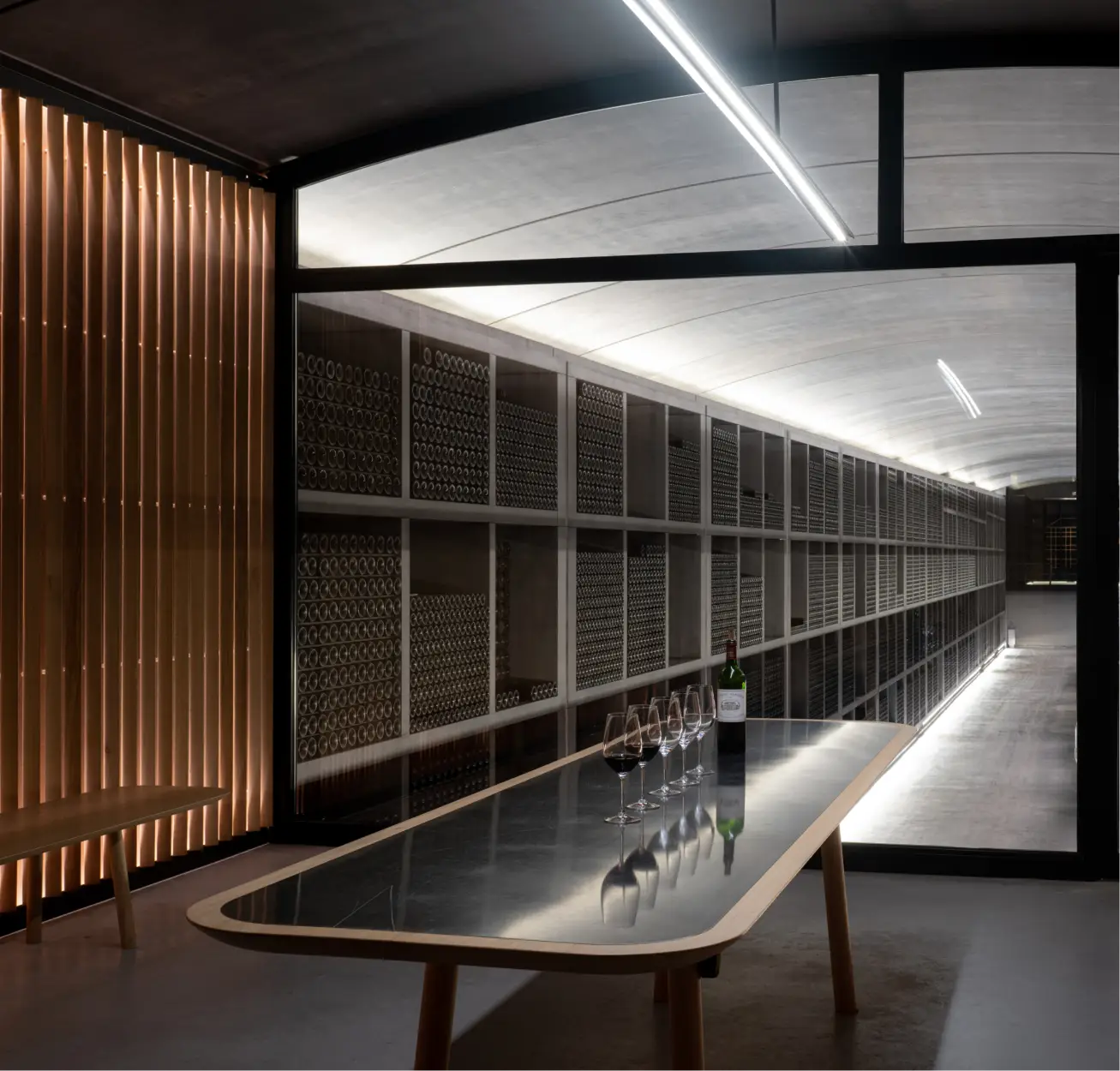
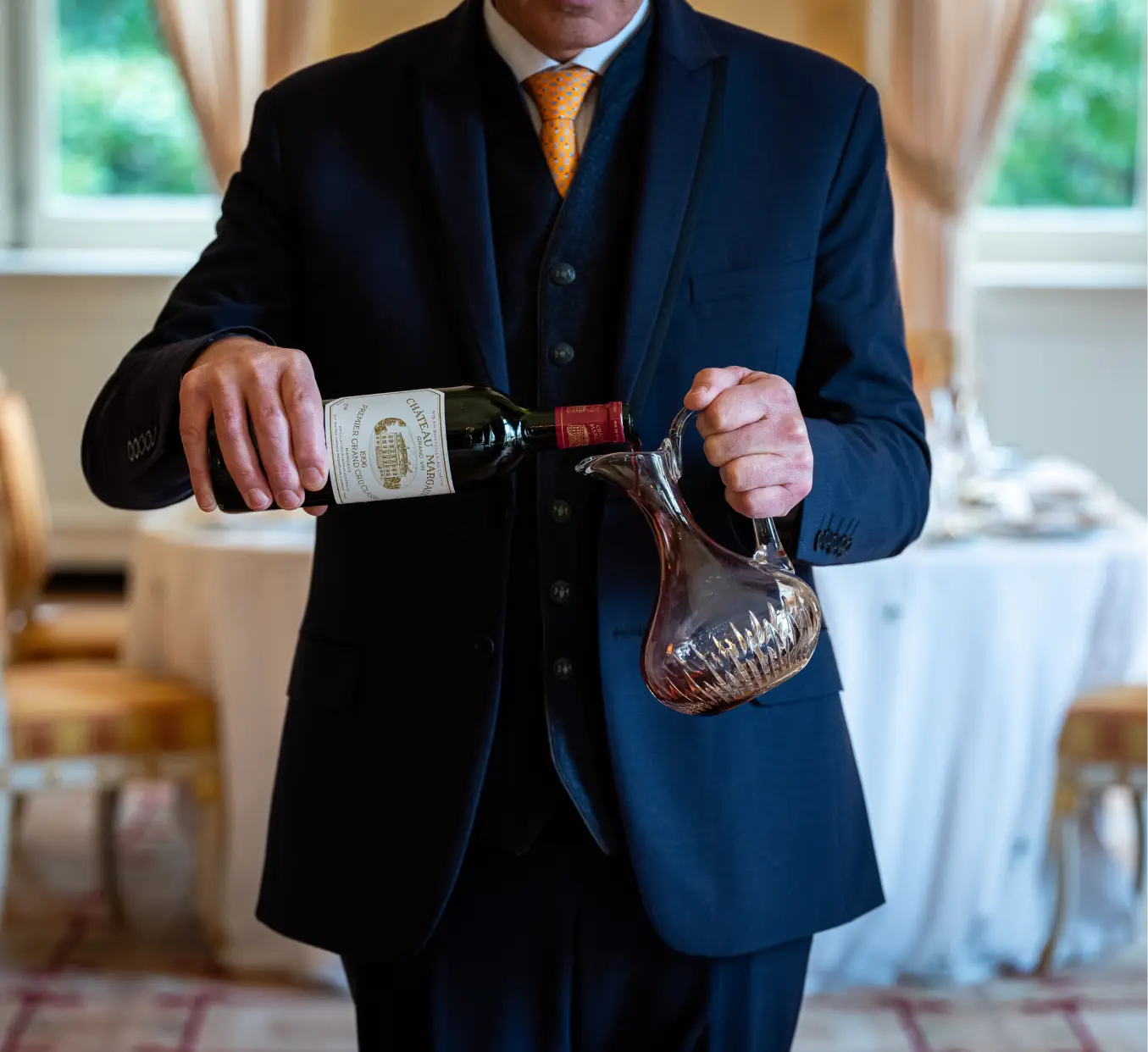
Service & tasting
Discover our tips for serving and tasting your wine in the best conditions.
Service & tasting
Discover our tips for serving and tasting your wine in the best conditions.