
2009
2009
2009
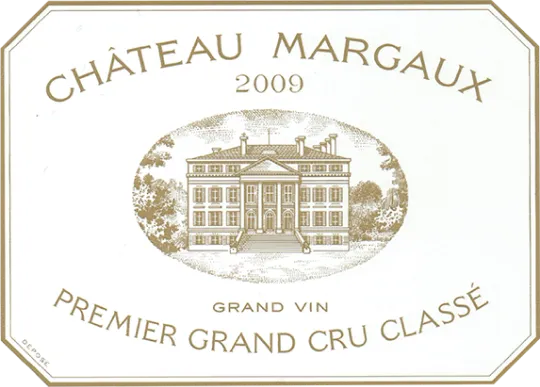
2009 may well be the greatest young Château Margaux we have tasted over the last 30 years.
Mother Nature could not have done it all by herself; barely 36% of the crop (just 31% at bottling) went into the Grand Vin—a drastic selection for such a vintage. Still, in 2009, Mother Nature surpassed herself, allowing grapes from the finest terroirs to reach an exceptional level of concentration, finesse, balance, and freshness.
The cabernets (87% of the blend) are only rivaled by those of 2005, though they are softer; the two merlot lots retained (9%) are simply unmatched. The cabernet franc (2%) and petit verdot (2%) are also at their very best.
Château Margaux 2009 is an extraordinary wine—defined both by its tannic power and breadth, reminiscent of 2005, and by its softness, which evokes 1990. And with an alcohol level barely above 13%, its finish remains fresh, flavorful, and memorably long.
When to drink it? That’s a tough question: it’s already charming and irresistible, yet its ageing potential is immense.
(February 2025)
Climate
After a cold, dry winter, the weather turned rainy and cool in April, causing a rather late bud-break and a somewhat slow growth of the vine shoots. As from May 1st however, temperatures rose quite sharply and settled above the seasonal norms, without ever reaching excessive highs. This allowed a quick and successful flowering that promised a very even ripening of the berries.
By then a drought had begun to set in, though in these early days we had no idea of how severe and long it would actually be. Very few vintages (apart from the 2005) have been so dry. It hardly rained from July 10th until the end of the harvest on October 14th!
Such dry weather is particularly beneficial to the great terroirs which can regulate the water supply to the vines, and also to Cabernet Sauvignon because it is less affected by drought than Merlot. Still, some of the vines planted in lighter and less clayey soils struggled to get their grapes perfectly ripe.
While these very dry months had some very hot days, the nights remained rather cool. This contrast helped the tannins and anthocyanins to concentrate in the skins of the red. All the pieces were gradually falling into place to make 2009 a really outstanding vintage. (The picking began September 24th).
2009 may well be the greatest young Château Margaux we have tasted over the last 30 years.
Mother Nature could not have done it all by herself; barely 36% of the crop (just 31% at bottling) went into the Grand Vin—a drastic selection for such a vintage. Still, in 2009, Mother Nature surpassed herself, allowing grapes from the finest terroirs to reach an exceptional level of concentration, finesse, balance, and freshness.
The cabernets (87% of the blend) are only rivaled by those of 2005, though they are softer; the two merlot lots retained (9%) are simply unmatched. The cabernet franc (2%) and petit verdot (2%) are also at their very best.
Château Margaux 2009 is an extraordinary wine—defined both by its tannic power and breadth, reminiscent of 2005, and by its softness, which evokes 1990. And with an alcohol level barely above 13%, its finish remains fresh, flavorful, and memorably long.
When to drink it? That’s a tough question: it’s already charming and irresistible, yet its ageing potential is immense.
(February 2025)
Climate
After a cold, dry winter, the weather turned rainy and cool in April, causing a rather late bud-break and a somewhat slow growth of the vine shoots. As from May 1st however, temperatures rose quite sharply and settled above the seasonal norms, without ever reaching excessive highs. This allowed a quick and successful flowering that promised a very even ripening of the berries.
By then a drought had begun to set in, though in these early days we had no idea of how severe and long it would actually be. Very few vintages (apart from the 2005) have been so dry. It hardly rained from July 10th until the end of the harvest on October 14th!
Such dry weather is particularly beneficial to the great terroirs which can regulate the water supply to the vines, and also to Cabernet Sauvignon because it is less affected by drought than Merlot. Still, some of the vines planted in lighter and less clayey soils struggled to get their grapes perfectly ripe.
While these very dry months had some very hot days, the nights remained rather cool. This contrast helped the tannins and anthocyanins to concentrate in the skins of the red. All the pieces were gradually falling into place to make 2009 a really outstanding vintage. (The picking began September 24th).
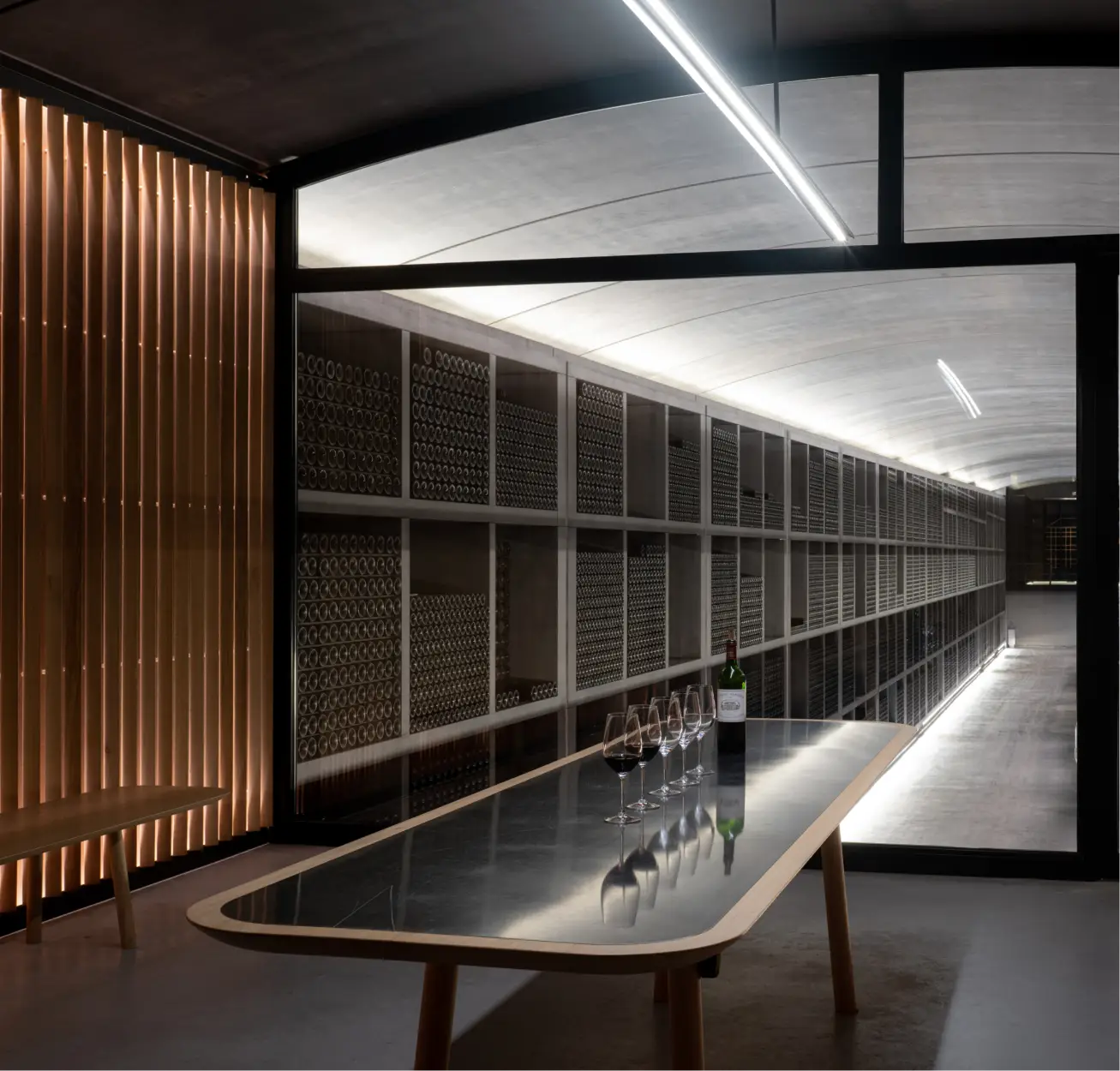
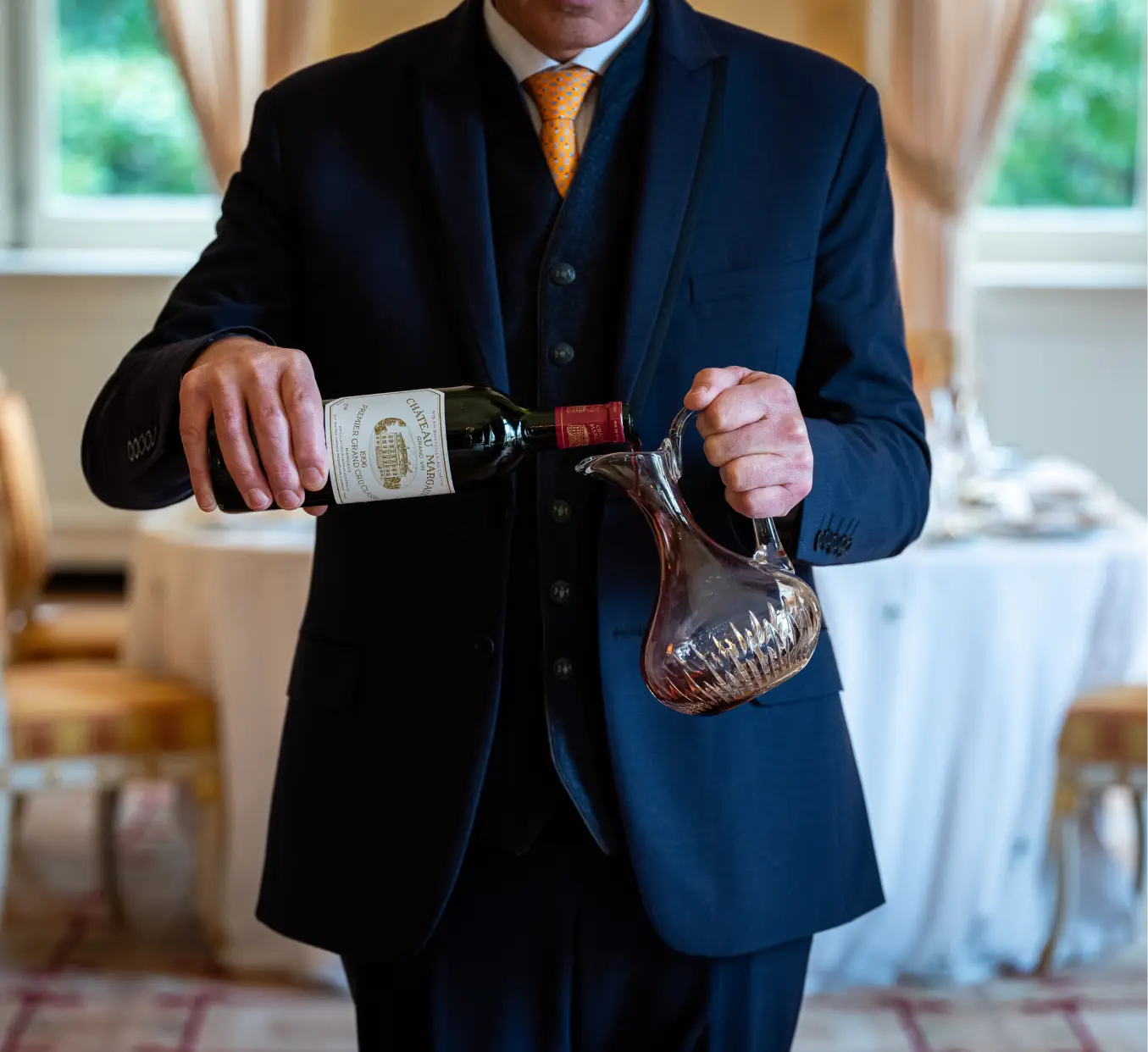
Service & tasting
Discover our tips for serving and tasting your wine in the best conditions.
Service & tasting
Discover our tips for serving and tasting your wine in the best conditions.