
2008
2008
2008
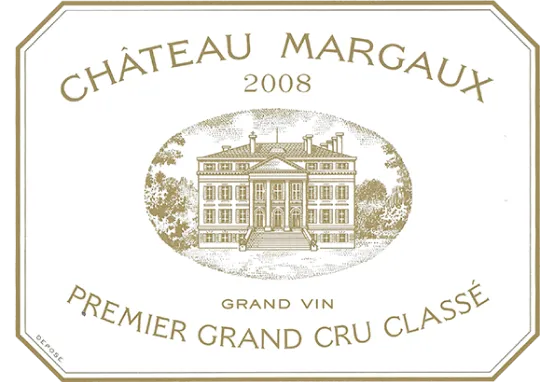
No vintage between 2004 and 2008—with the notable exception of 2005 of course—enjoyed a glorious August. And yet, the grapes managed to ripen well each time, at least in the finest terroirs, thanks to the excellent conditions in September. But also due to so many other factors whose influence we still do not fully understand!
In 2008, it’s likely that the July drought helped mitigate the effects of the August rains—light but regular. The fine weather from mid-September onwards would have further limited their impact. There’s no miracle here, only our ignorance…
As always, it is the rigor of selection that reveals the sometimes hidden spirit of the vintage. 2008 is no exception: the Grand Vin represents only 36% of the harvest (and this proportion will drop to just 31% at bottling, once the lees wines produced during barrel ageing are removed). Each grape variety finds its place harmoniously: our best merlots, accounting for 10% of the blend, bring power, roundness and flesh they lacked in both 2007 and 2006.
The cabernet cauvignons, at 87%, are, as usual, the heart of the wine: they give it life, and make us feel it deeply…
Let’s not forget the 1.5% cabernet franc and 1.5% petit verdot; their modest presence surely belies their true influence.
This 2008 vintage is a beautiful Château Margaux, with a nose of great finesse and purity, as deep and charming as the 2004.
What's surprising is its power on the palate. We didn’t expect it to be so dense, so long, so rich.
What magnificent tannins! They give Château Margaux 2008 a tight texture, great length, and ultimately a more classic character than we had imagined. Ideally, it should be kept for a few more years.
(February 2025)
Climate
After quite a dry winter, spring was cool and damp; in fact it was so chilly at the beginning of April that we used our anti-frost sprays on April 7th at Virefougasse, our Sauvignon Blanc plot. May was particularly wet, which heightened the risk of downy mildew at a time when the vines were most vulnerable, so that for the second year in a row, we had to carefully monitor the health of the vines. Nevertheless we continued our research on alternative solutions to chemical sprays; the conditions provided us with an ideal opportunity to do so. The flowering began at the very beginning of June, right on the normal date, although it was partly affected by heavy rains, which were no doubt responsible for the coulure and millerandage observed in some of the Merlot plots. Also, the vines showed fewer potential grapes than last year, so we knew that we were in for a smaller crop. The weather was cool throughout the summer, with temperatures around two degrees below average in July, August and September. July, however, was very dry with barely 10 mm (0.4 of an inch) of rain, whereas in August and up till September 15th, it rained regularly. This chilly and humid weather slowed the colour transformation of the grapes and their ripening process while it gradually affected our spirits…
No vintage between 2004 and 2008—with the notable exception of 2005 of course—enjoyed a glorious August. And yet, the grapes managed to ripen well each time, at least in the finest terroirs, thanks to the excellent conditions in September. But also due to so many other factors whose influence we still do not fully understand!
In 2008, it’s likely that the July drought helped mitigate the effects of the August rains—light but regular. The fine weather from mid-September onwards would have further limited their impact. There’s no miracle here, only our ignorance…
As always, it is the rigor of selection that reveals the sometimes hidden spirit of the vintage. 2008 is no exception: the Grand Vin represents only 36% of the harvest (and this proportion will drop to just 31% at bottling, once the lees wines produced during barrel ageing are removed). Each grape variety finds its place harmoniously: our best merlots, accounting for 10% of the blend, bring power, roundness and flesh they lacked in both 2007 and 2006.
The cabernet cauvignons, at 87%, are, as usual, the heart of the wine: they give it life, and make us feel it deeply…
Let’s not forget the 1.5% cabernet franc and 1.5% petit verdot; their modest presence surely belies their true influence.
This 2008 vintage is a beautiful Château Margaux, with a nose of great finesse and purity, as deep and charming as the 2004.
What's surprising is its power on the palate. We didn’t expect it to be so dense, so long, so rich.
What magnificent tannins! They give Château Margaux 2008 a tight texture, great length, and ultimately a more classic character than we had imagined. Ideally, it should be kept for a few more years.
(February 2025)
Climate
After quite a dry winter, spring was cool and damp; in fact it was so chilly at the beginning of April that we used our anti-frost sprays on April 7th at Virefougasse, our Sauvignon Blanc plot. May was particularly wet, which heightened the risk of downy mildew at a time when the vines were most vulnerable, so that for the second year in a row, we had to carefully monitor the health of the vines. Nevertheless we continued our research on alternative solutions to chemical sprays; the conditions provided us with an ideal opportunity to do so. The flowering began at the very beginning of June, right on the normal date, although it was partly affected by heavy rains, which were no doubt responsible for the coulure and millerandage observed in some of the Merlot plots. Also, the vines showed fewer potential grapes than last year, so we knew that we were in for a smaller crop. The weather was cool throughout the summer, with temperatures around two degrees below average in July, August and September. July, however, was very dry with barely 10 mm (0.4 of an inch) of rain, whereas in August and up till September 15th, it rained regularly. This chilly and humid weather slowed the colour transformation of the grapes and their ripening process while it gradually affected our spirits…
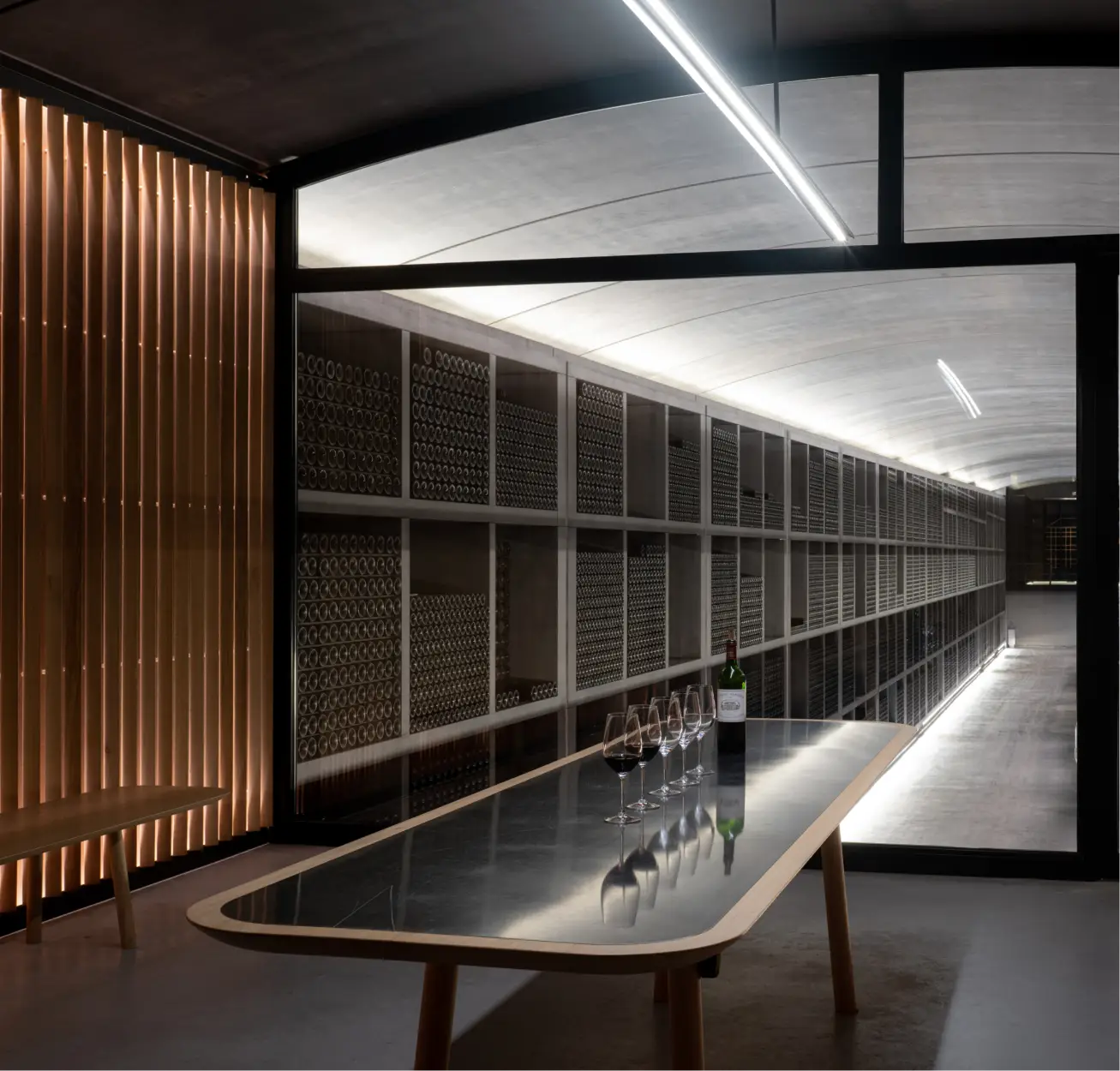
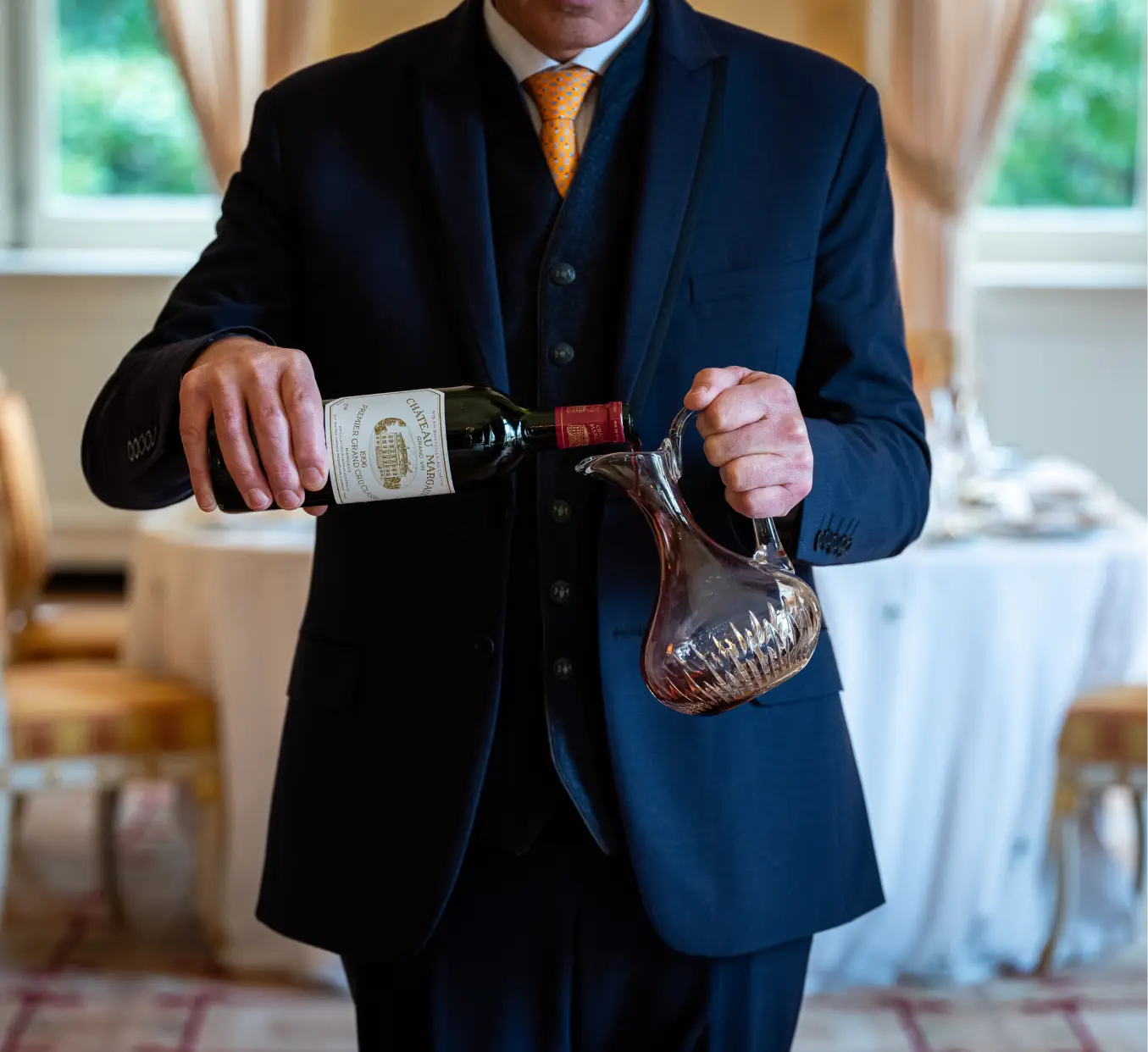
Service & tasting
Discover our tips for serving and tasting your wine in the best conditions.
Service & tasting
Discover our tips for serving and tasting your wine in the best conditions.